

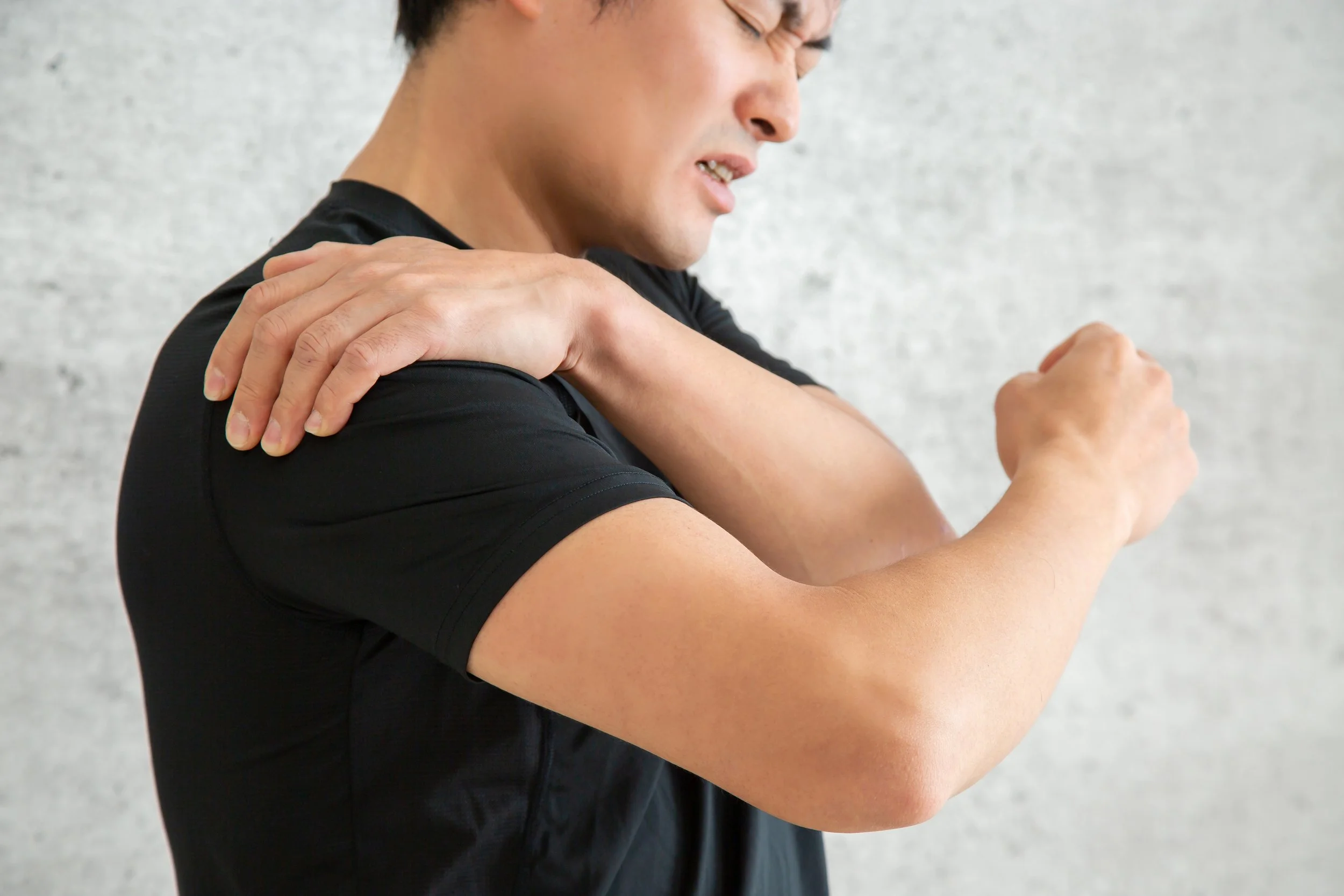
What Is Frozen Shoulder?
Simple daily tasks shouldn't feel like a struggle. If your shoulder has become increasingly stiff and painful, you may be dealing with frozen shoulder. At True Grit Physical Therapy, we look beyond the symptoms to confirm your diagnosis and build an individualized treatment plan to restore your mobility safely and efficiently.
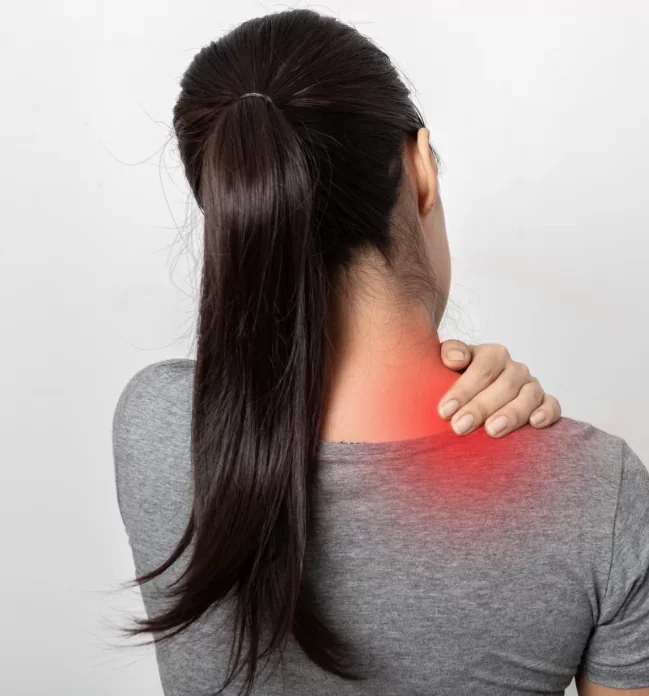
Can a Pinched Nerve Cause Shoulder Pain?
Pain in the shoulder is common, but identifying where it actually starts is key to getting relief. A pinched nerve in the neck often refers sharp, burning, or aching pain straight into the shoulder joint. At True Grit Physical Therapy, we break down how to differentiate neck-driven pain from true joint injuries so you get the right treatment from day one.
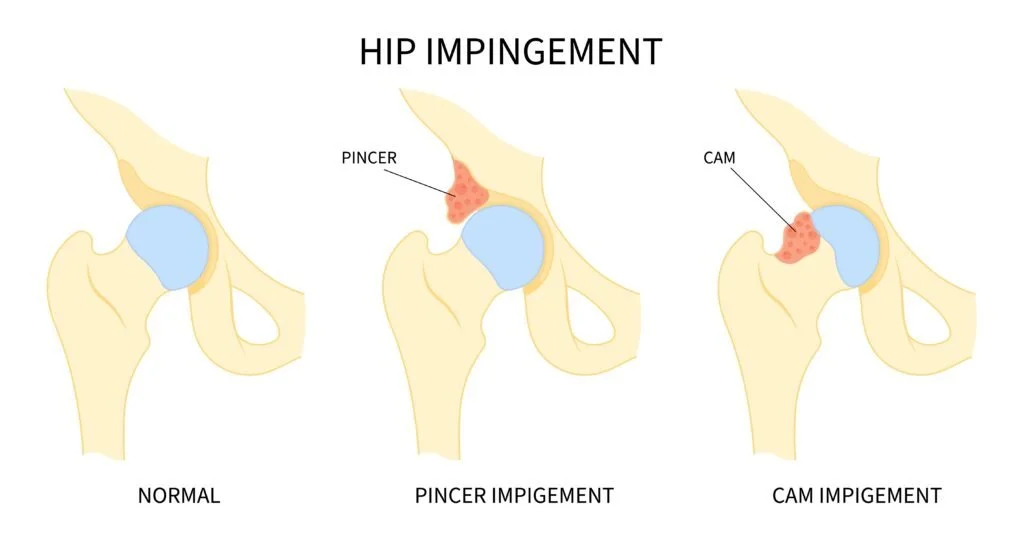
Hip Labral Tear vs. Hip Impingement (FAI): What's the Difference?
Heard the terms "hip impingement" and "labral tear" used interchangeably? While FAI and labral tears often happen together, they aren't the same thing. One is about bone shape, and the other is about cartilage—and surprisingly, both can exist without causing pain. Learn the key differences, how they interact, and how to get an accurate diagnosis.
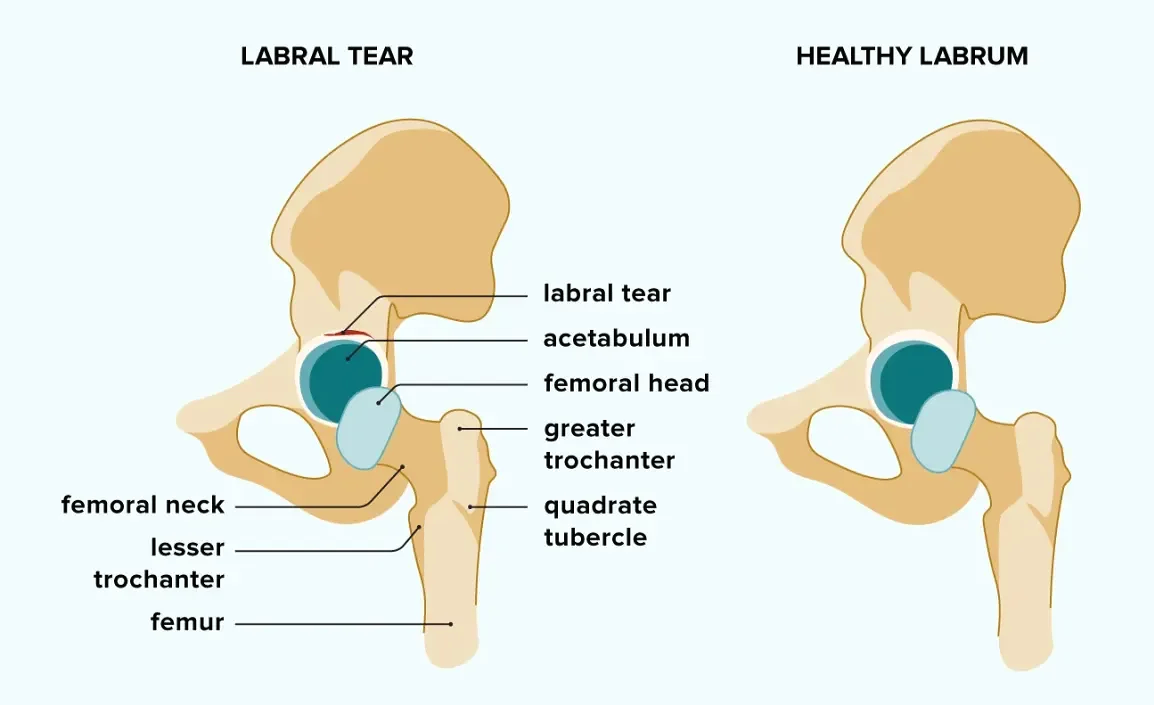
What Is a Hip Labral Tear?
Diagnosed with a hip labral tear and wondering if surgery is your only option? Before you panic, know this: an MRI finding doesn't always equal pain. Learn what a hip labral tear actually is, why many tears are symptom-free, and how physical therapy can help you restore movement without jumping straight to surgery.
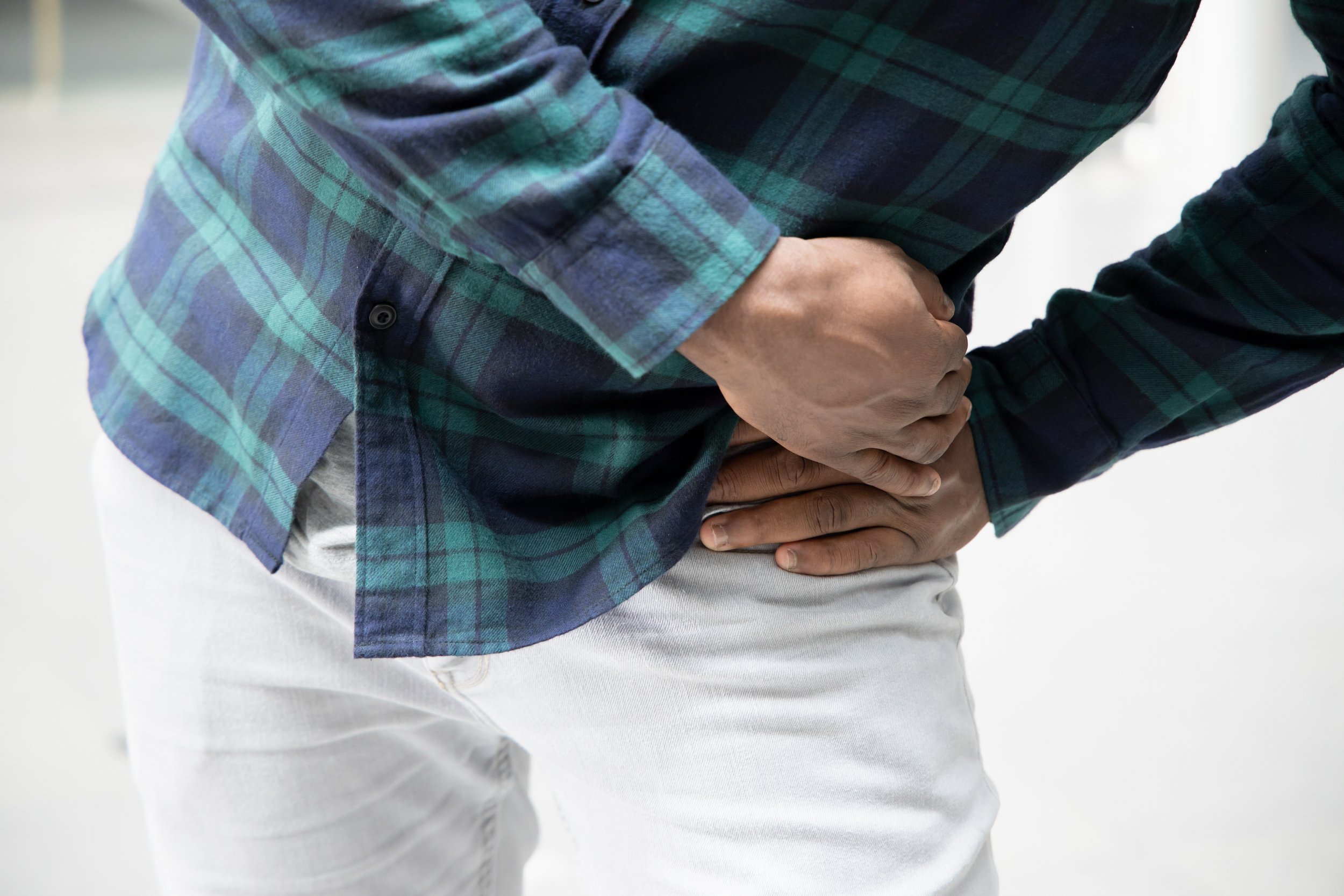
What Causes Hip Pain?
Hip pain doesn't always come from the hip. The real culprit could be hiding in your lower back, surrounding muscles, or referred from another area entirely. At True Grit Physical Therapy, we identify the true source of your pain so treatment actually fixes the problem, not just masks it.
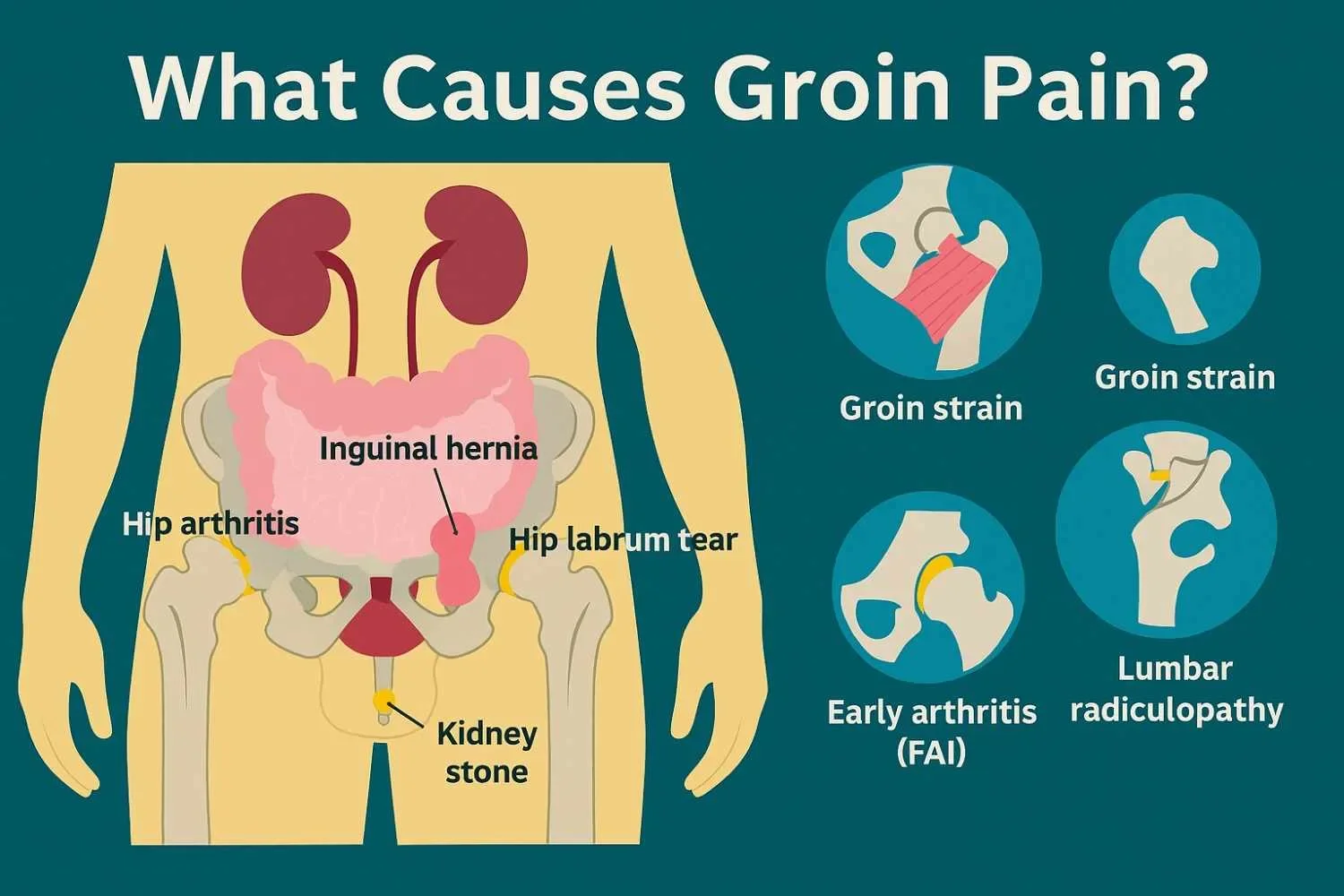
What Causes Groin Pain?
Groin pain can come from many different structures, including the hip joint, muscles, tendons, lower back, or nerves. Discover why identifying the true source of your pain is essential and how a comprehensive physical therapy evaluation can help guide effective treatment.

Why Does My Hip Hurt After Sitting?
Hip pain after sitting isn't always caused by arthritis or tight muscles. Learn how the hip joint, surrounding muscles, the lower back, or irritated nerves may contribute to your symptoms, and how a comprehensive physical therapy evaluation can uncover the true cause for lasting relief.
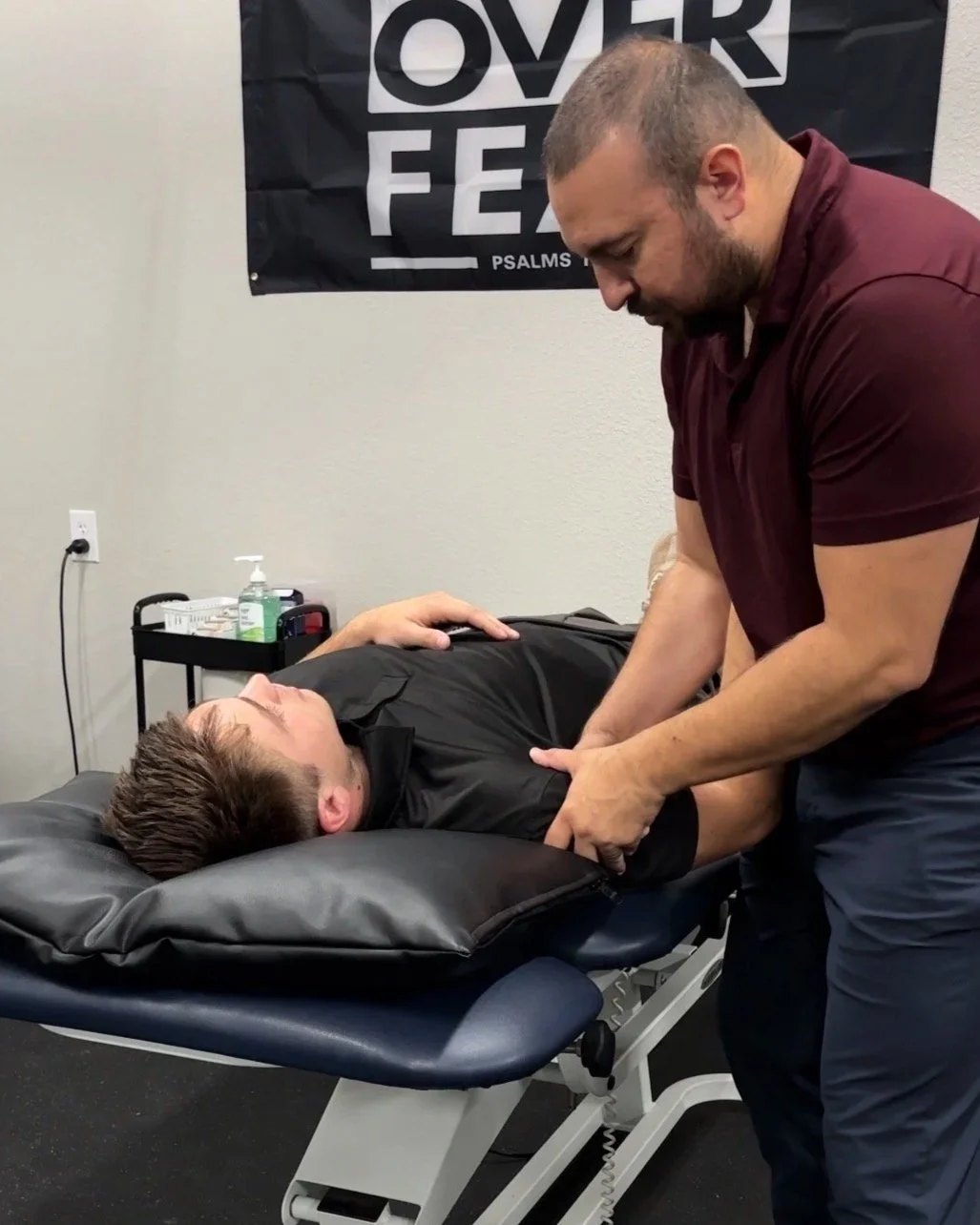
What Is Shoulder Impingement?
Shoulder impingement is a common diagnosis, but it doesn't always explain the true source of your pain. Learn how muscle strength, mobility, movement patterns, and shoulder mechanics can contribute to symptoms, and why a thorough physical therapy evaluation is key to lasting relief.

TMJ Dysfunction: Is Your Jaw Really the Problem?
TMJ dysfunction is not always caused by a problem within the jaw joint itself. Symptoms like jaw pain, clicking, popping, headaches, and difficulty chewing can be connected to jaw muscles, the cervical spine, posture, or habits like clenching and grinding. Learn how a comprehensive physical therapy evaluation can identify the true source of your symptoms and guide effective treatment.
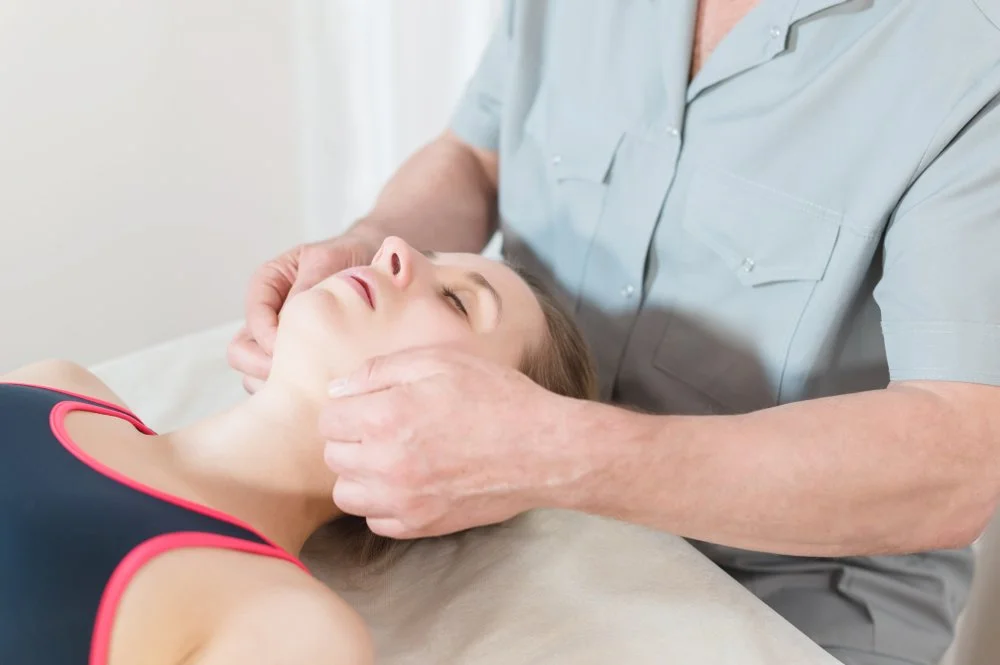
Why Does My Jaw Click or Pop?
A clicking or popping jaw is common and does not always mean something is wrong. The sound may come from changes in how the cartilage disc and jaw joint move during opening and closing. Learn what causes jaw clicking, when it may be a sign of TMJ dysfunction, and how physical therapy can help address underlying movement issues.
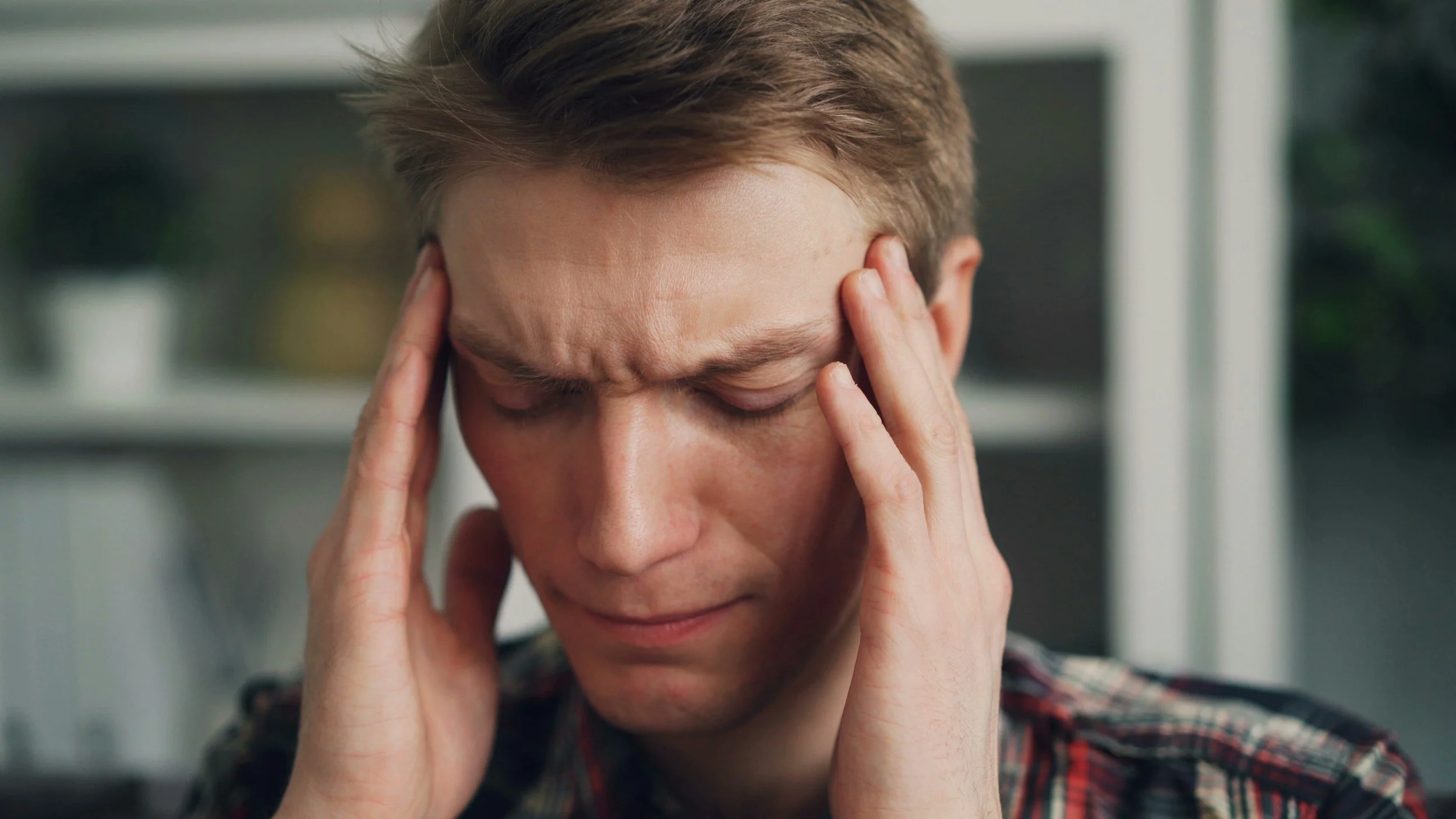
Can TMJ Dysfunction Cause Headaches?
TMJ dysfunction can cause or contribute to headaches by affecting the muscles, nerves, and joints that connect the jaw, neck, and head. Learn how temporomandibular disorders (TMD) may lead to pain around the temples, forehead, behind the eyes, or base of the skull—and how physical therapy can help identify the underlying cause.

Return to Sport Testing: How Do You Know You're Truly Ready to Play Again?
Returning to sports after an injury takes more than being pain-free. Discover how return-to-sport testing measures strength, mobility, movement quality, and sport-specific performance to help athletes safely and confidently get back in the game.

ACL Injury Prevention: Can You Reduce Your Risk of Tearing Your ACL?
Many ACL tears occur without contact and may be preventable with the right training. Learn how movement screening, neuromuscular training, strength development, and sport-specific exercise programs can reduce your risk of injury, improve athletic performance, and help keep you in the game.

Cash Pay vs. Insurance Physical Therapy: Which Is Right for You?
Choosing between cash-pay and insurance physical therapy can feel confusing. Learn the differences between each approach, how they impact your care experience, and why the right treatment plan matters more than how your therapy is paid for.
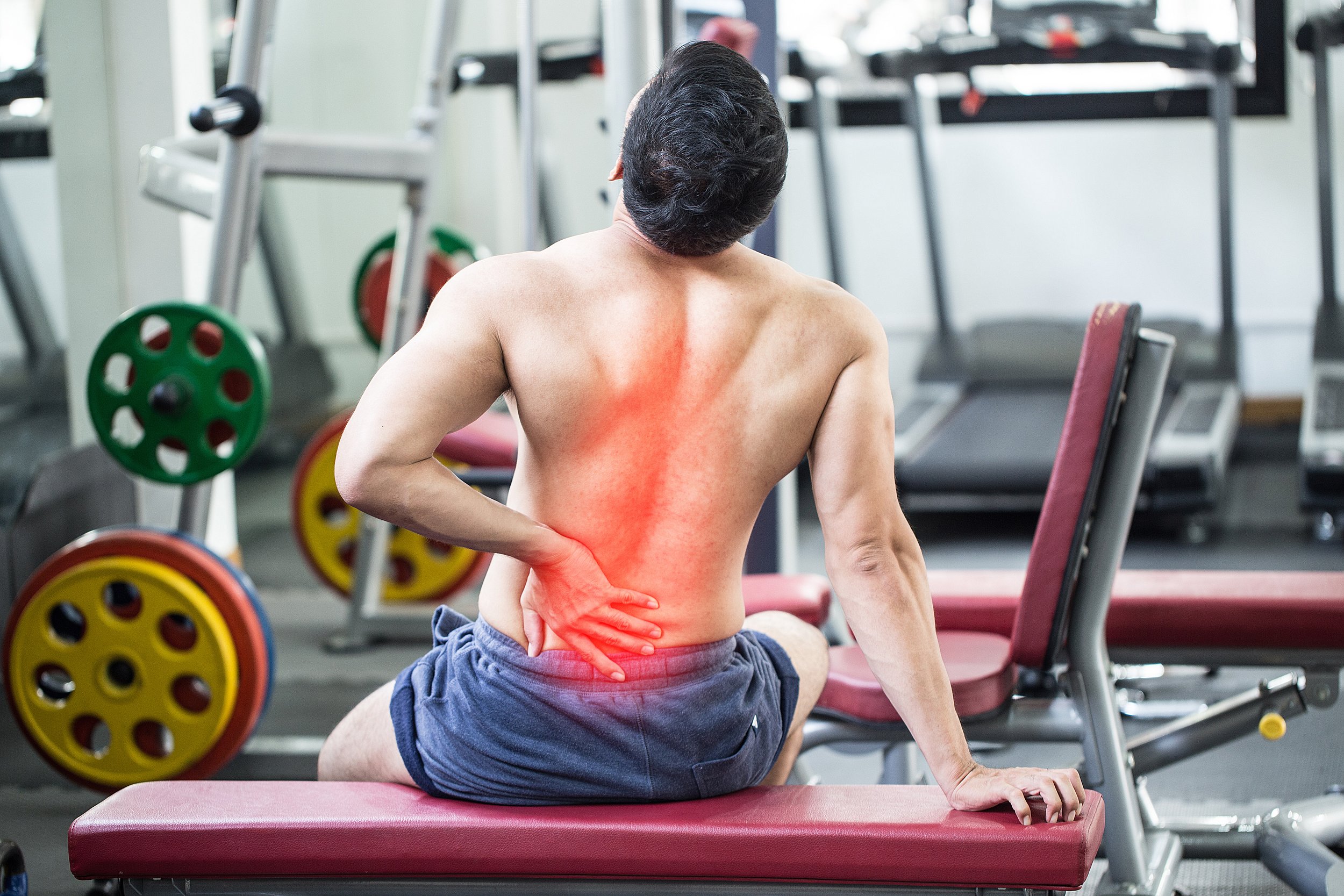
Is It Safe to Exercise with Low Back Pain?
Many people think they should avoid exercise until their back pain is gone, but the right movement can actually speed recovery. Learn how physical therapy helps you safely stay active, modify painful movements, and build strength while your back heals.
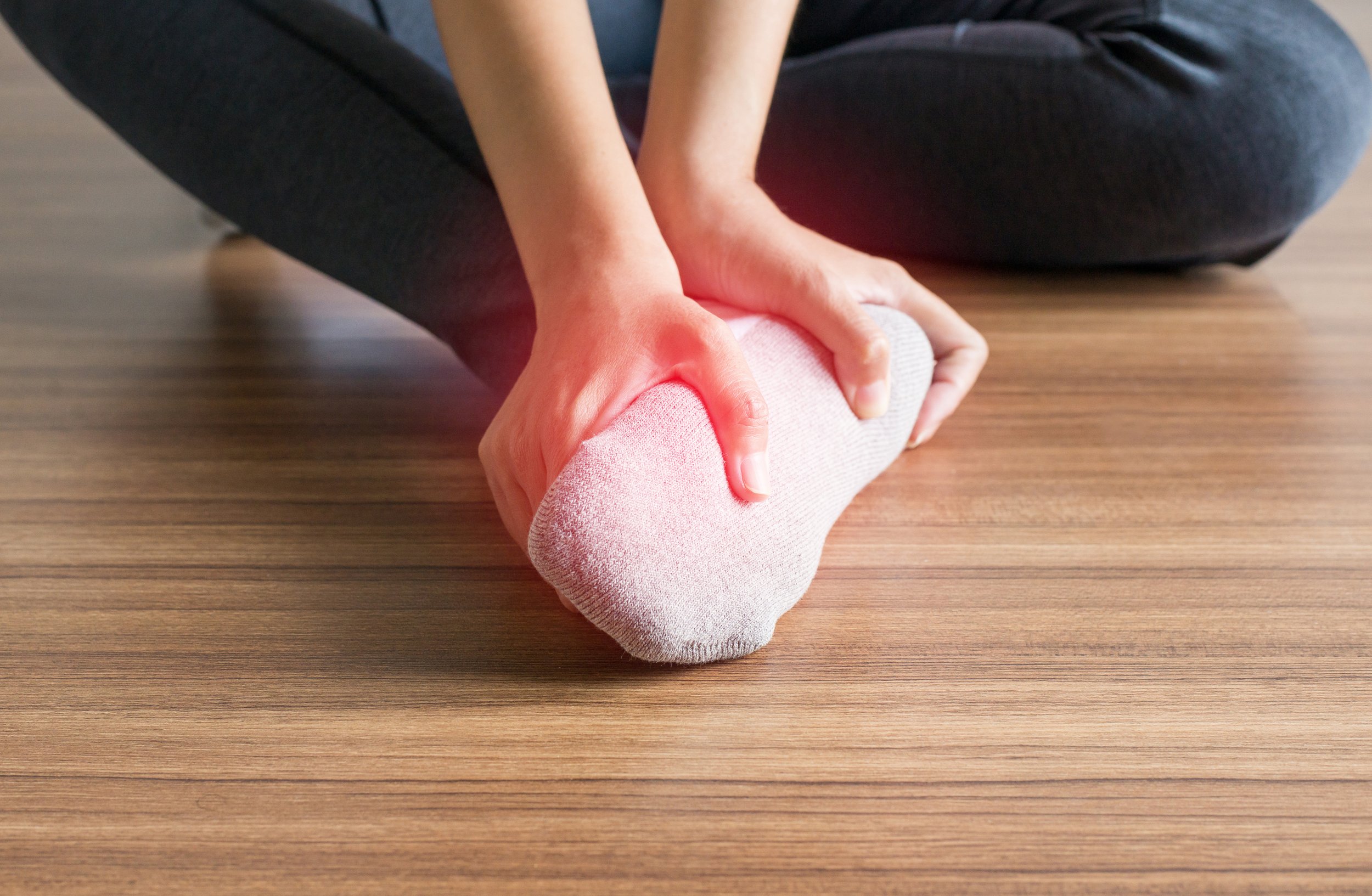
Is It Really Plantar Fasciitis? Understanding the True Cause of Your Heel Pain
Not all heel pain is caused by plantar fasciitis. Learn how conditions like plantar fasciopathy, nerve entrapment, fat pad syndrome, and referred pain can mimic similar symptoms, and why identifying the true source of your pain is the key to effective treatment.

When Can I Run Again After an Injury?
Wondering when it's safe to run again after an injury? Learn why a successful return to running depends on more than just being pain-free, and how return-to-running testing helps assess your strength, mobility, and readiness to get back on the road or trail with confidence.

Why Do Runners Keep Getting Injured?
Running injuries are rarely caused by a single misstep—they're usually the result of small stresses building up over time. Learn how identifying the root cause can help you run farther, faster, and with fewer setbacks.

Shin Splints vs. Stress Fractures: How Do You Tell the Difference?
Not all shin pain is created equal. While shin splints and stress fractures can feel similar at first, knowing the difference is key to recovering safely and returning to running. Here's how to recognize the signs of each injury and when to seek treatment.
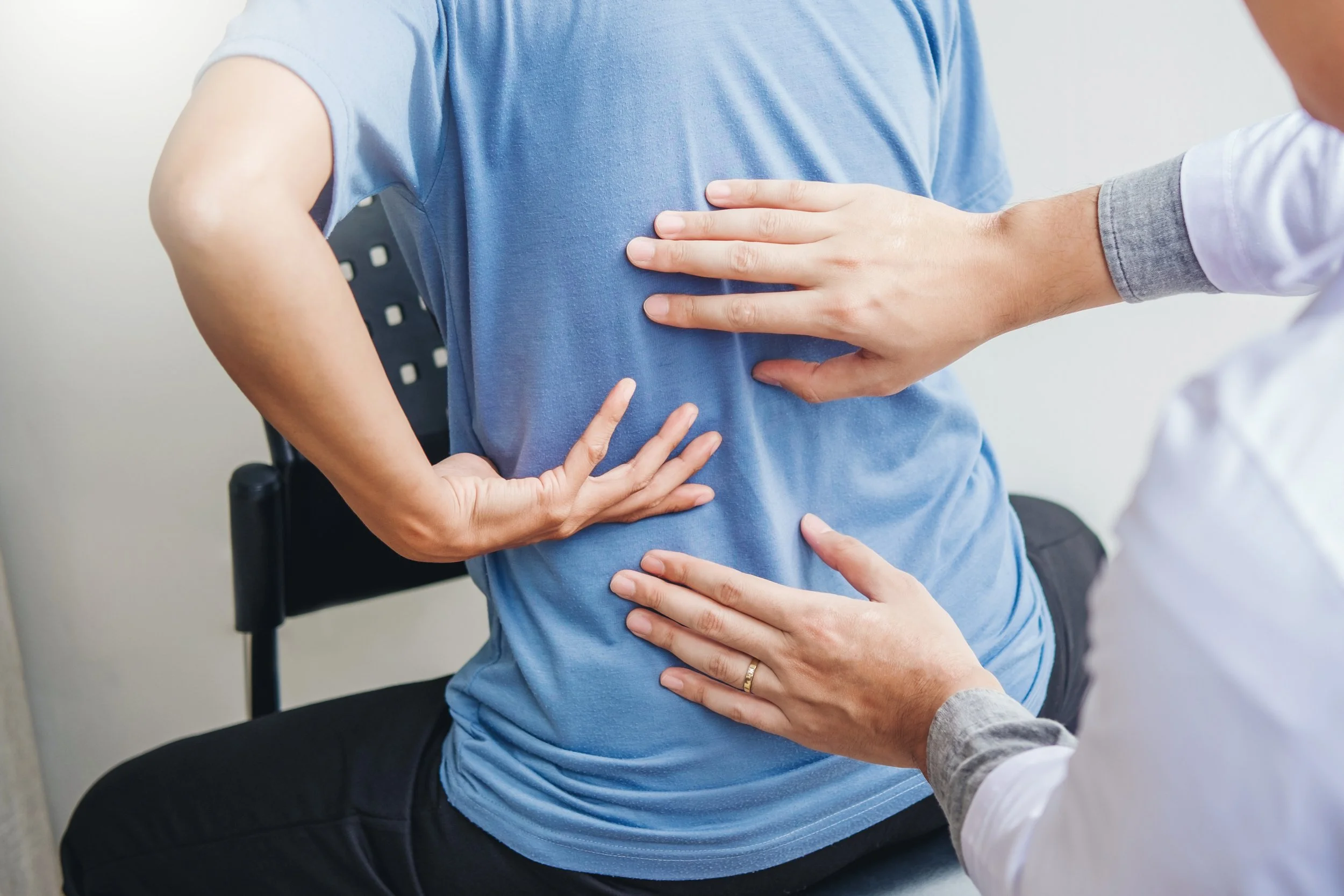
Can PT Help You Avoid Back Surgery?
Back surgery isn't the only option for low back pain. Many common back conditions can improve with physical therapy, allowing you to recover without surgery. Here's when conservative treatment may be the right choice—and when it's time to see a surgeon.