


DRY NEEDLING RESOURCES
Dry needling is a treatment technique that can help address muscle tension, trigger points, movement restrictions, and certain types of pain affecting everyday activities and athletic performance. Whether you're dealing with muscle tightness, sports-related discomfort, chronic pain, headaches, neck or back pain, or limitations caused by soft tissue dysfunction, understanding how dry needling works and when it may be beneficial can help you make informed decisions about your care. This resource center is designed to help you learn more about dry needling, how it is used in physical therapy, what conditions it may help treat, and what to expect before, during, and after treatment. Explore our educational articles, answers to frequently asked questions, and evidence-based resources created by the team at True Grit Physical Therapy to better understand how dry needling can support recovery, improve movement, and help you return to the activities that matter most.
Frequently Asked Questions About Dry Needling
-
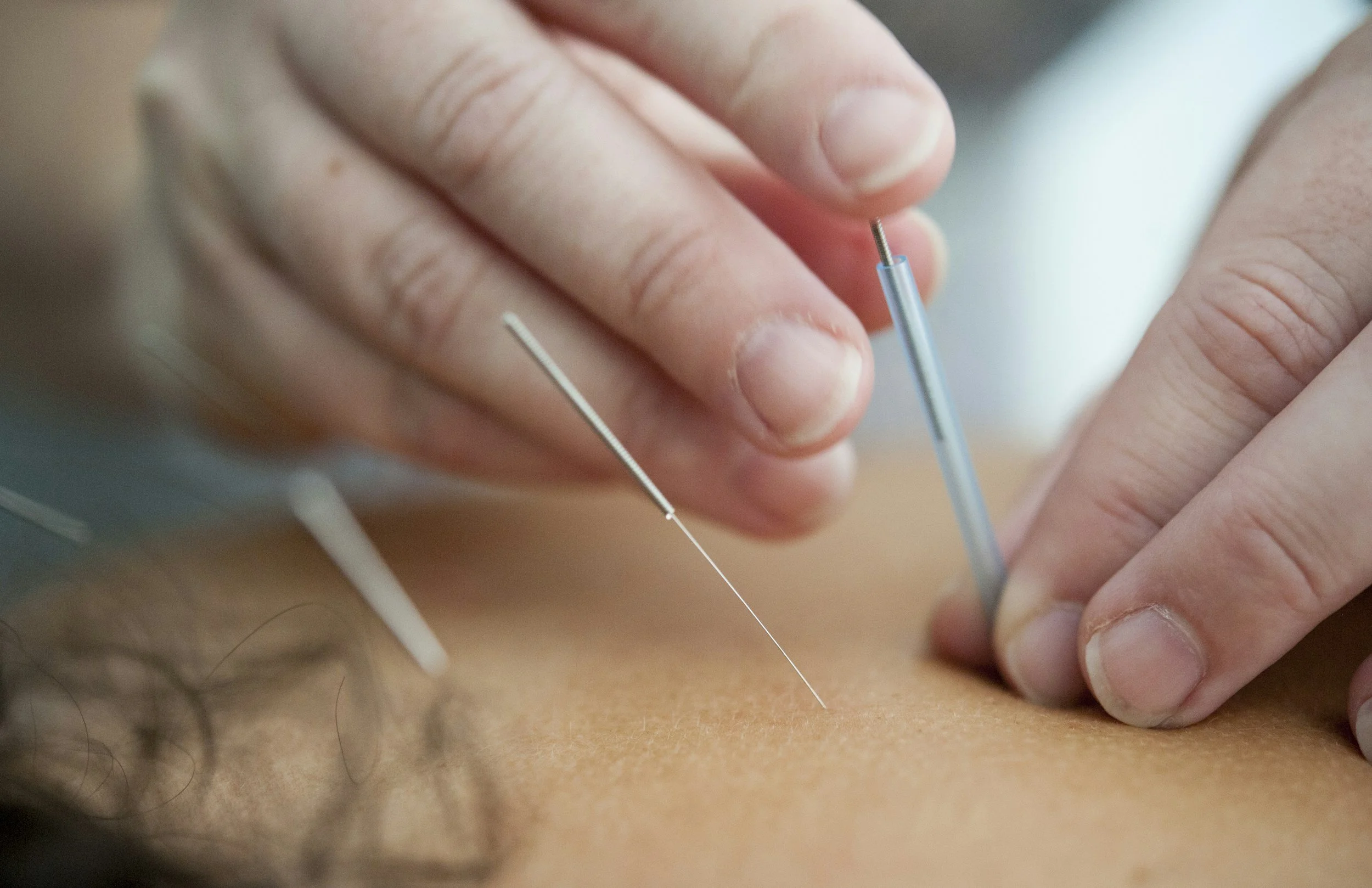
Dry needling is a physical therapy treatment technique that uses thin, sterile needles to target areas of muscle tension, trigger points, and soft tissue restrictions. The goal of dry needling is to help reduce muscle sensitivity, improve movement, decrease pain, and restore normal muscle function. Physical therapists use dry needling as part of a comprehensive treatment plan that may also include exercise, manual therapy, and movement retraining.
-
Dry needling works by stimulating specific areas of muscle tissue that may be contributing to pain or restricted movement. The needle creates a local response within the muscle that can help decrease muscle tension, improve blood flow, and promote normal muscle activation. When combined with targeted rehabilitation exercises, dry needling can help patients restore better movement patterns and improve overall function.
-
Dry needling may be used to help treat a variety of musculoskeletal conditions, including neck pain, back pain, shoulder pain, headaches, muscle tightness, sports injuries, tendon-related pain, and joint movement restrictions. It is commonly used for areas affected by muscle overuse, repetitive strain, or injury-related changes in muscle function.
-
No. Although both techniques use thin needles, dry needling and acupuncture are different treatments based on different approaches. Dry needling is performed by trained healthcare professionals, including physical therapists, and focuses on the relationship between muscles, movement, pain, and physical function. Acupuncture is rooted in traditional Chinese medicine and focuses on stimulating specific points along energy pathways.
-
Most patients describe dry needling as a quick sensation rather than significant pain. Some people may feel a brief twitch response, pressure, or a mild ache during treatment. Afterward, it is common to experience temporary muscle soreness similar to what may occur after exercise. Your physical therapist will explain what to expect and adjust treatment based on your comfort level.
-
The effects of dry needling vary depending on the individual, the condition being treated, and other factors such as activity level and overall movement patterns. Some patients notice improvements after one session, while others benefit from a series of treatments combined with corrective exercise and rehabilitation strategies designed to address the underlying cause of their symptoms.
-
When performed by a properly trained and licensed healthcare professional, dry needling is considered a safe treatment option for many musculoskeletal conditions. Your physical therapist will review your health history, determine whether dry needling is appropriate for your condition, and use proper techniques to provide safe and effective care.
-
Dry needling is most effective when it is part of a comprehensive physical therapy program. While dry needling may help reduce pain and muscle tension, addressing strength, mobility, movement patterns, and the underlying causes of dysfunction is essential for lasting improvements. At True Grit Physical Therapy, dry needling is incorporated into individualized treatment plans designed around each patient’s goals and needs.
LATEST DRY NEEDLING ARTICLES
-
MORE RESOURCES COMING SOON
We’re continually developing new educational resources to help you better understand injuries, movement health, and effective treatment strategies. Our team is working on additional articles covering common conditions, recovery tips, performance insights, and ways to stay active and resilient.
In the meantime, explore our existing resources or learn more about how True Grit Physical Therapy can help you address pain, improve movement, and reach your goals through personalized, evidence-based care.
