

DRY NEEDLING PHYSICAL THERAPY
Dry Needling and Intramuscular Stimulation: Targeted Treatment for Muscle Pain
Muscle pain, stiffness, and movement limitations can interfere with everyday activities, exercise, work, and sports. Whether you're experiencing persistent neck tension, shoulder discomfort, or muscle-related pain following an injury, identifying the factors contributing to your symptoms is an important first step toward recovery.
At True Grit Physical Therapy in Abilene, TX, we offer dry needling and intramuscular electrical stimulation (IMS) as treatment options within an individualized physical therapy program. These techniques may help reduce pain, improve movement tolerance, and support participation in strengthening and rehabilitation exercises.
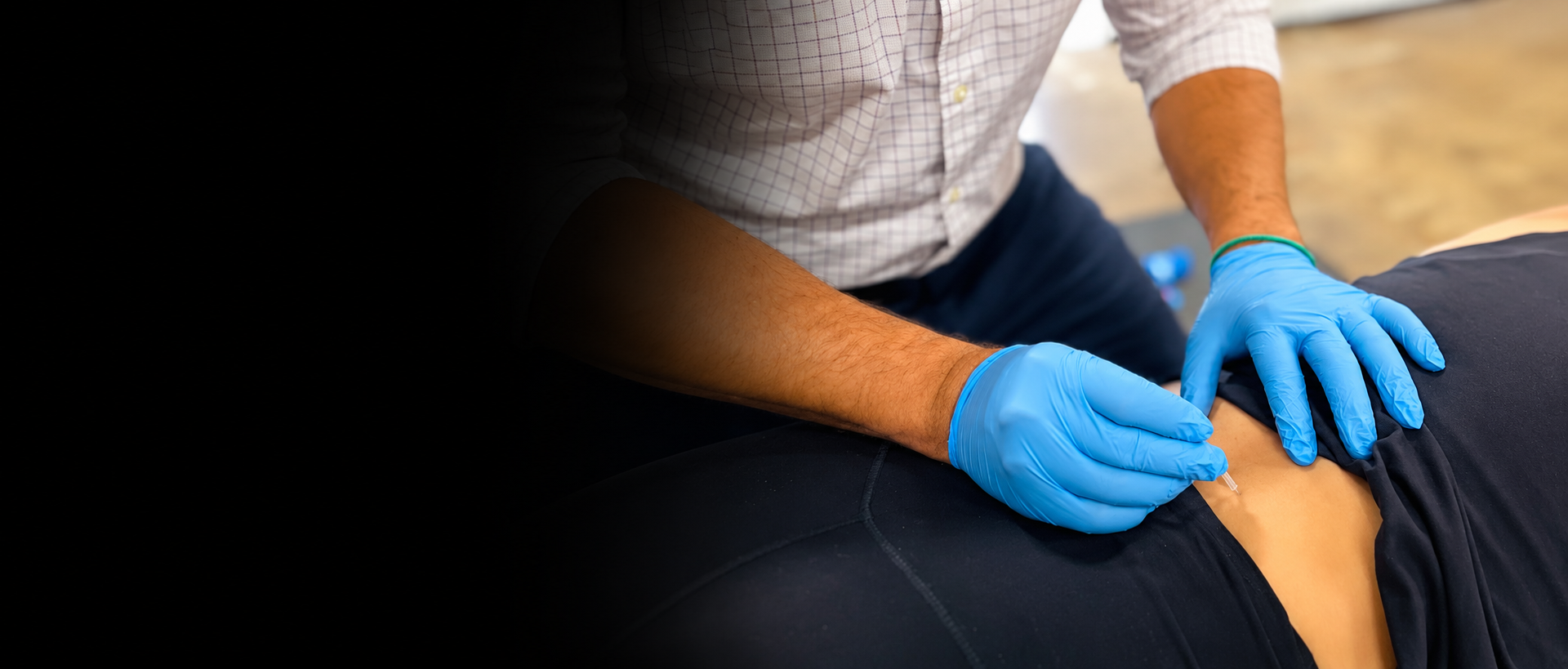
Dry needling involves inserting thin, sterile, single-use needles into selected muscles or other appropriate tissues based on your symptoms and examination findings. The technique is commonly used to address musculoskeletal pain and muscle sensitivity. While some patients experience short-term pain relief or improved mobility, responses vary, and dry needling is most appropriately used alongside active rehabilitation.
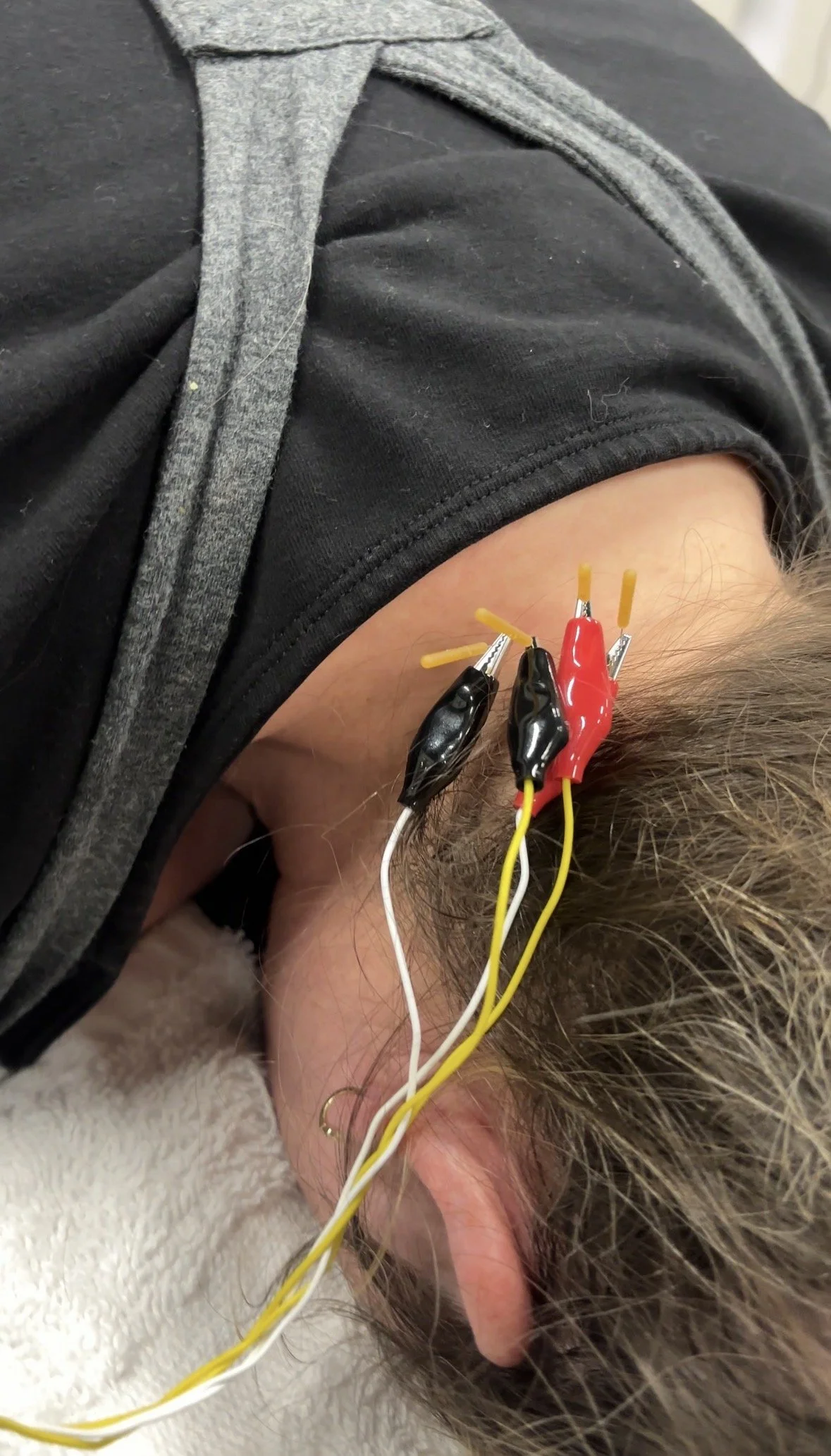
Intramuscular electrical stimulation (IMS) combines dry needling with controlled electrical stimulation delivered through the needles. This technique may help modulate pain and produce gentle muscle contractions, depending on the treatment parameters. Your physical therapist will determine whether electrical stimulation is appropriate based on your condition, medical history, and treatment goals.
Our approach combines skilled hands-on treatment with progressive exercise, movement retraining, and education. Rather than relying on dry needling alone, we focus on helping you build the strength, mobility, and confidence needed to return to the activities you enjoy.
Conditions That May Benefit From Dry Needling
Dry needling is a treatment technique that may help reduce musculoskeletal pain, improve movement tolerance, and complement an individualized physical therapy program. At True Grit Physical Therapy in Abilene, TX, we use dry needling when appropriate based on your symptoms, examination findings, and rehabilitation goals.
Neck Pain and Muscle Tension
Persistent neck pain and muscle sensitivity can make turning your head, working at a computer, or exercising uncomfortable. Dry needling may provide short-term relief for certain types of neck pain, particularly when combined with mobility exercises, progressive strengthening, and manual therapy.
Shoulder Pain & Rotator Cuff-Related Symptoms
Shoulder pain can interfere with reaching overhead, lifting weights, and sleeping comfortably. Dry needling may be used as an adjunct to rehabilitation for selected patients with shoulder-related muscle pain, helping improve comfort and participation in strengthening exercises. For patients with persistent shoulder discomfort, learn more about our shoulder physical therapy.
Tension-Type Headaches and Muscle-Related Head Pain
Muscle sensitivity in the neck and upper shoulder region may contribute to certain headache presentations. Following a comprehensive evaluation, dry needling may be considered as part of a treatment plan for selected patients with tension-type or cervicogenic headaches.
Low Back Pain and Muscle-Related Discomfort
Low back pain can involve several contributing factors, including sensitivity of the surrounding muscles and limitations in movement tolerance. Dry needling may offer temporary symptom relief for some individuals, allowing greater participation in exercise-based rehabilitation.
Hip Pain and Gluteal Muscle Sensitivity
Pain around the hip and gluteal region can affect walking, running, sitting, and recreational activities. When muscle-related symptoms are present, dry needling may complement a rehabilitation program focused on improving hip strength, mobility, and functional capacity. If hip pain is limiting your ability to walk or exercise comfortably, explore our hip physical therapy services.
Sports Injuries and Exercise-Related Muscle Pain
Athletes and active adults may experience muscle-related pain that interferes with training or returning to sports. Dry needling may be incorporated into a broader rehabilitation plan alongside progressive loading, strength training, and sport-specific exercises. Explore our running rehab services to learn more about a safe return to running and sports.
Temporomandibular Joint (TMJ) and Jaw Muscle Pain
Jaw pain, headaches, and discomfort while chewing may sometimes involve sensitivity of the muscles surrounding the temporomandibular joint. For appropriately selected patients, dry needling of relevant muscles may be considered alongside TMJ-specific exercises, manual therapy, and movement education. Learn more about our TMJ physical therapy services.
What to Expect During Your Dry Needling Treatment
At True Grit Physical Therapy, dry needling is never a one-size-fits-all treatment. We begin with a comprehensive evaluation to determine whether dry needling or intramuscular electrical stimulation may be appropriate for your symptoms and rehabilitation goals.
Comprehensive Evaluation
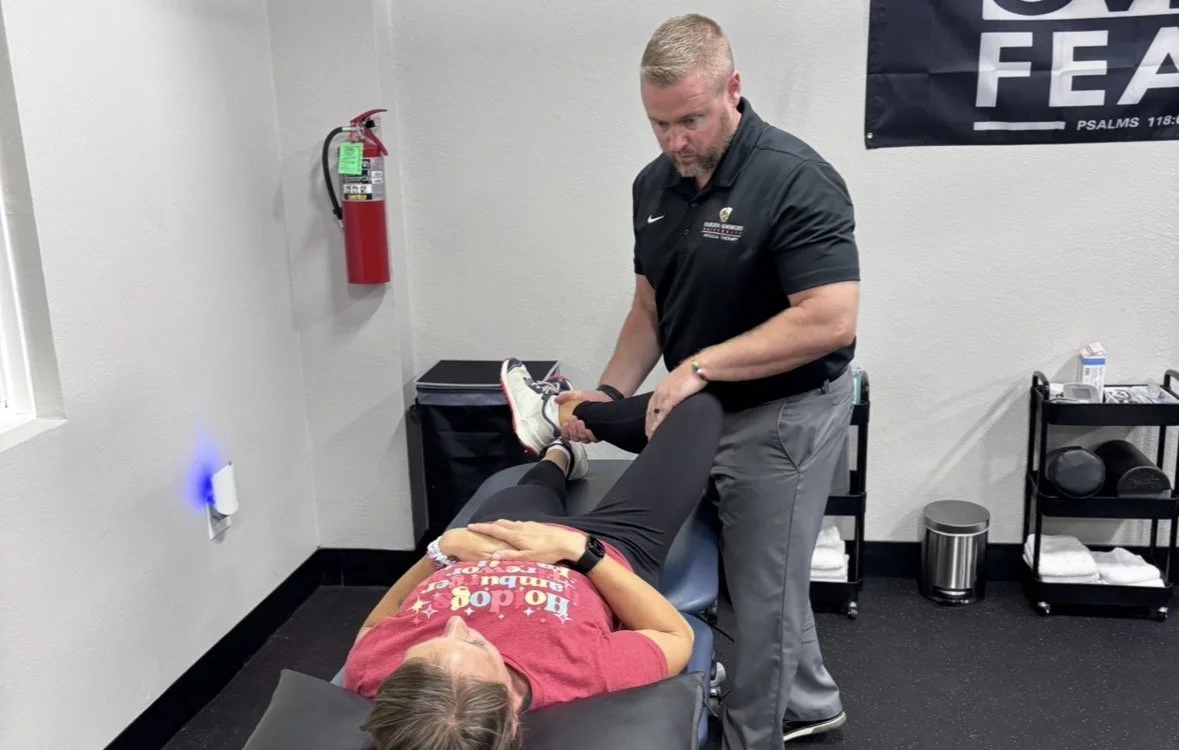
Your physical therapist begins by reviewing your symptoms, medical history, activity level, and treatment goals. We assess mobility, strength, muscle sensitivity, and functional movement to identify potential contributing factors and determine whether dry needling may be beneficial.
Safety Screening & Treatment Planning
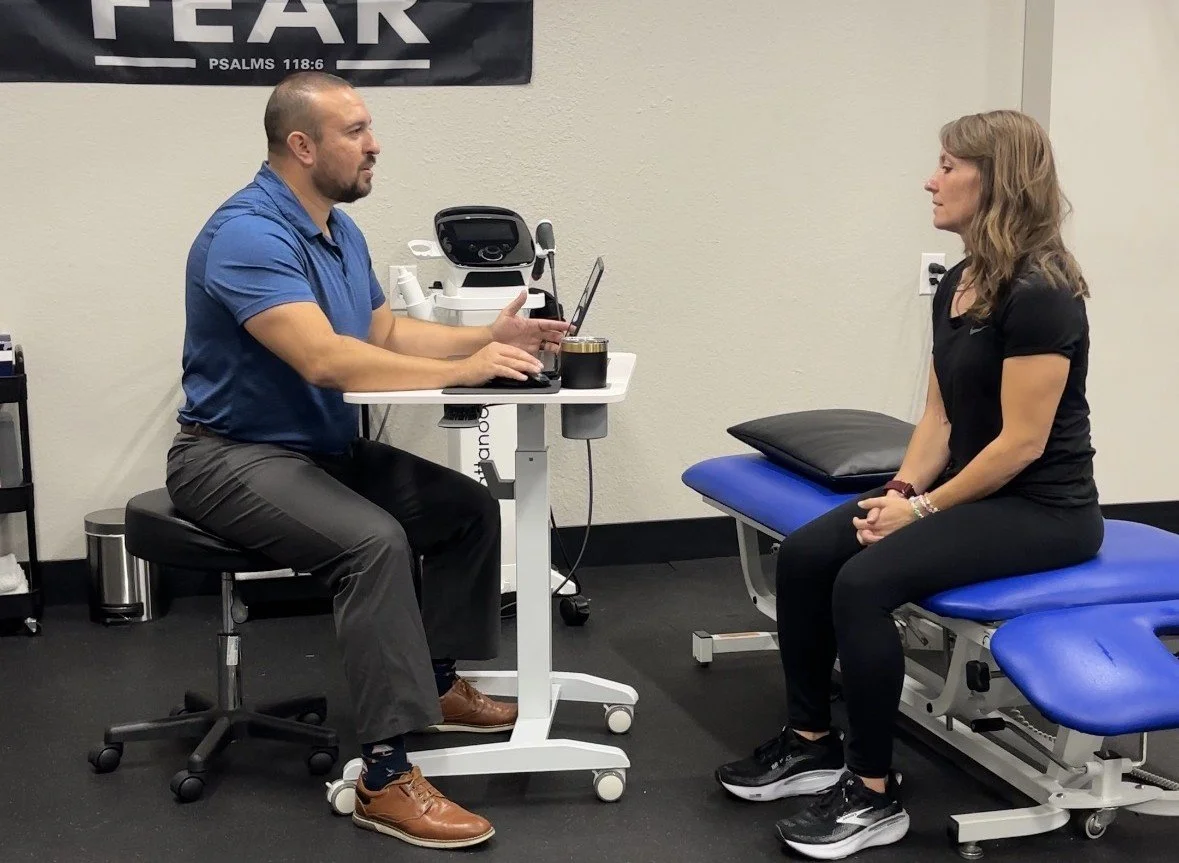
Before treatment, we review relevant medical conditions, medications, precautions, and contraindications. We explain the procedure, potential benefits, risks, and alternatives so you can make an informed decision about your care.
Dry Needling Treatment
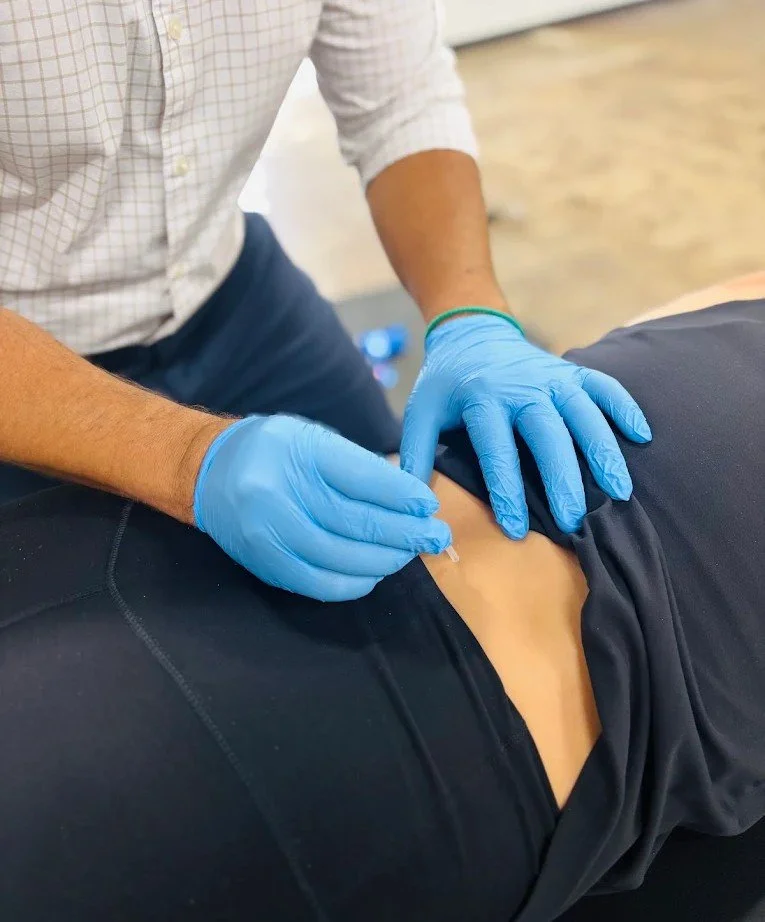
During treatment, your physical therapist inserts thin, sterile, single-use needles into selected tissues based on your evaluation findings. You may experience a brief pinching sensation, dull ache, or involuntary muscle twitch. Sensations vary depending on the treatment area and individual response.
Intramuscular Stimulation (IMS)
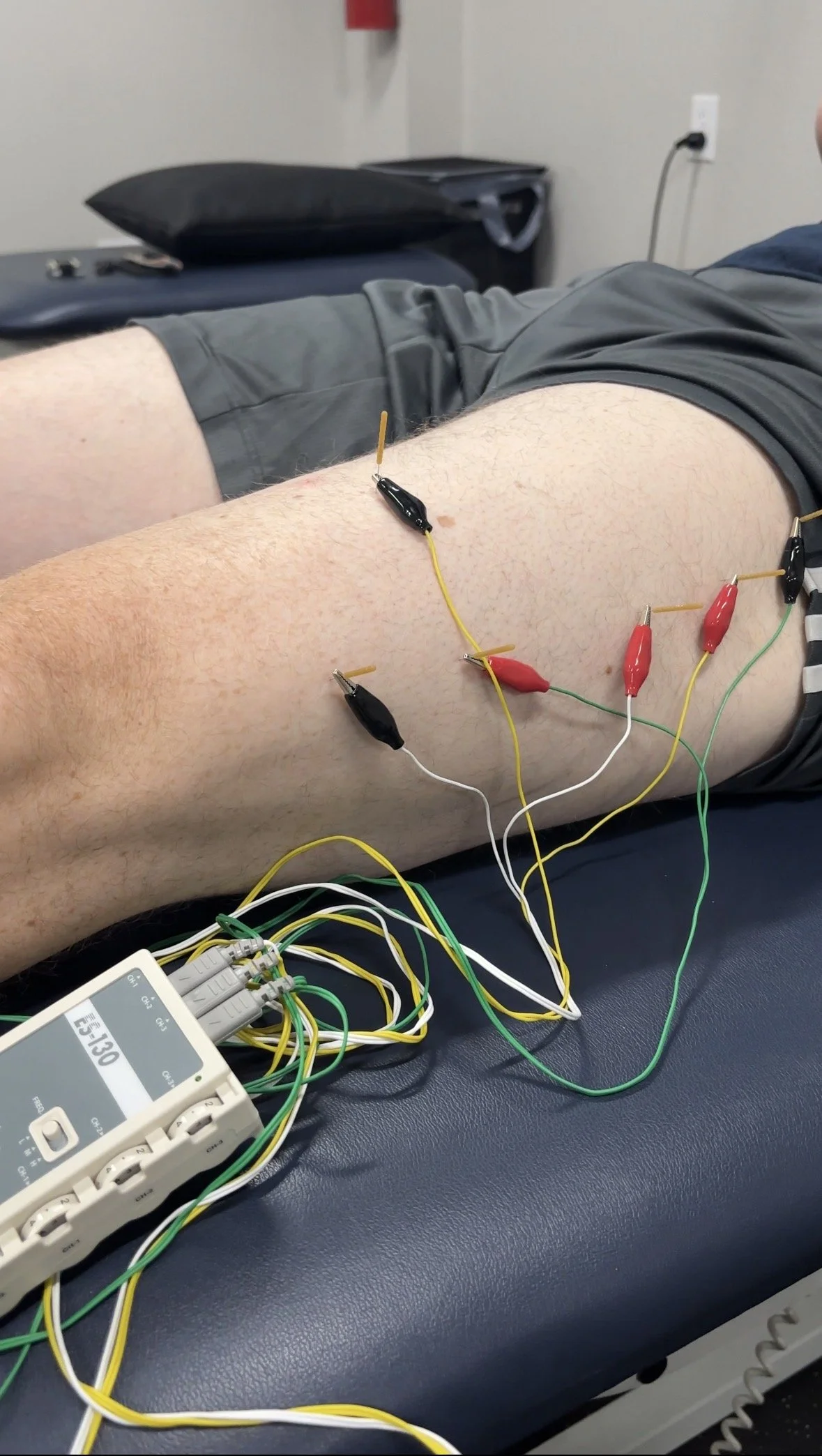
When appropriate, we may connect a controlled electrical stimulation unit to the inserted needles. This produces a mild electrical sensation and may create gentle muscle contractions. Electrical stimulation is optional and is only used when clinically appropriate and tolerated.
Post-Treatment Rehab & Recovery
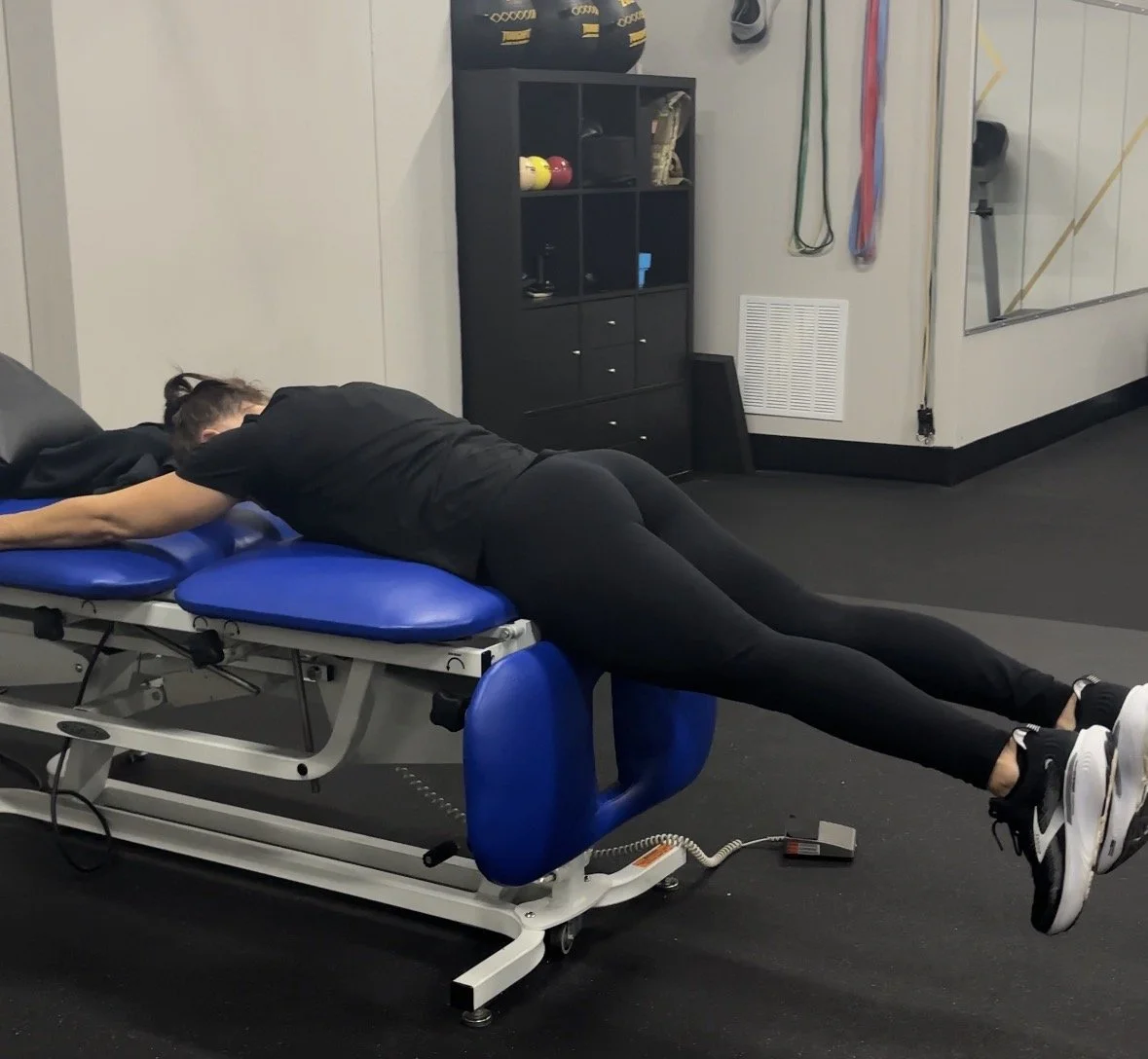
Following treatment, we reassess your symptoms and movement as appropriate. Temporary soreness, mild bruising, or fatigue may occur. We provide individualized aftercare recommendations and incorporate strengthening, mobility exercises, and movement retraining to support longer-term functional improvement.
Our goal is to use dry needling as one component of a comprehensive rehabilitation program, helping you move more comfortably and return to the activities that matter most.
Frequently Asked Questions About Dry Needling
-
Dry needling is a technique performed by appropriately trained healthcare professionals using thin, sterile needles inserted into selected muscles or other tissues. It may be used to help manage musculoskeletal pain and improve movement tolerance as part of a comprehensive rehabilitation program.
-
Most patients experience a brief pinching sensation during needle insertion. Some may feel a dull ache, muscle twitch, or temporary soreness. Discomfort varies depending on the treatment location and individual sensitivity.
-
Dry needling is generally well tolerated when performed by a properly trained clinician using appropriate safety procedures. Common side effects include temporary soreness, minor bleeding, and bruising. Rare but potentially serious complications include infection, nerve injury, and pneumothorax when needling near the chest or upper back.
-
Both techniques use thin needles, but they are commonly practiced within different clinical frameworks. Physical therapists typically use dry needling to address musculoskeletal symptoms based on a physical examination, while acupuncture may be practiced using traditional Chinese medicine principles or other medical approaches. Techniques and treatment goals can overlap.
-
Intramuscular electrical stimulation combines needle insertion with controlled electrical stimulation. This may help modulate pain and produce muscle contractions. It is not appropriate for every patient, and its use depends on individual clinical findings and safety considerations.
-
The number of sessions varies depending on your condition, symptom severity, treatment response, and rehabilitation goals. Some individuals notice changes after one session, while others may require several treatments or may benefit more from other interventions.
-
Many patients can resume light activity following treatment, depending on their symptoms and the areas treated. Temporary soreness may affect your ability to perform strenuous exercise. Your physical therapist will provide recommendations based on your individual response.
-
Dry needling may provide short-term pain relief for some people with chronic musculoskeletal pain. However, research findings vary by condition, and long-term benefits are less certain. It is generally best considered as an adjunct to exercise, education, and other appropriate rehabilitation strategies.
-
Original Medicare generally does not cover dry needling as a standalone service. Coverage and patient financial responsibility can depend on the services provided and applicable Medicare rules. Our team can explain relevant payment arrangements before treatment.
-
True Grit Physical Therapy provides dry needling and intramuscular electrical stimulation in Abilene, TX. Our individualized physical therapy approach combines hands-on treatment with progressive exercise and movement-based rehabilitation to help patients manage pain and improve function.
