

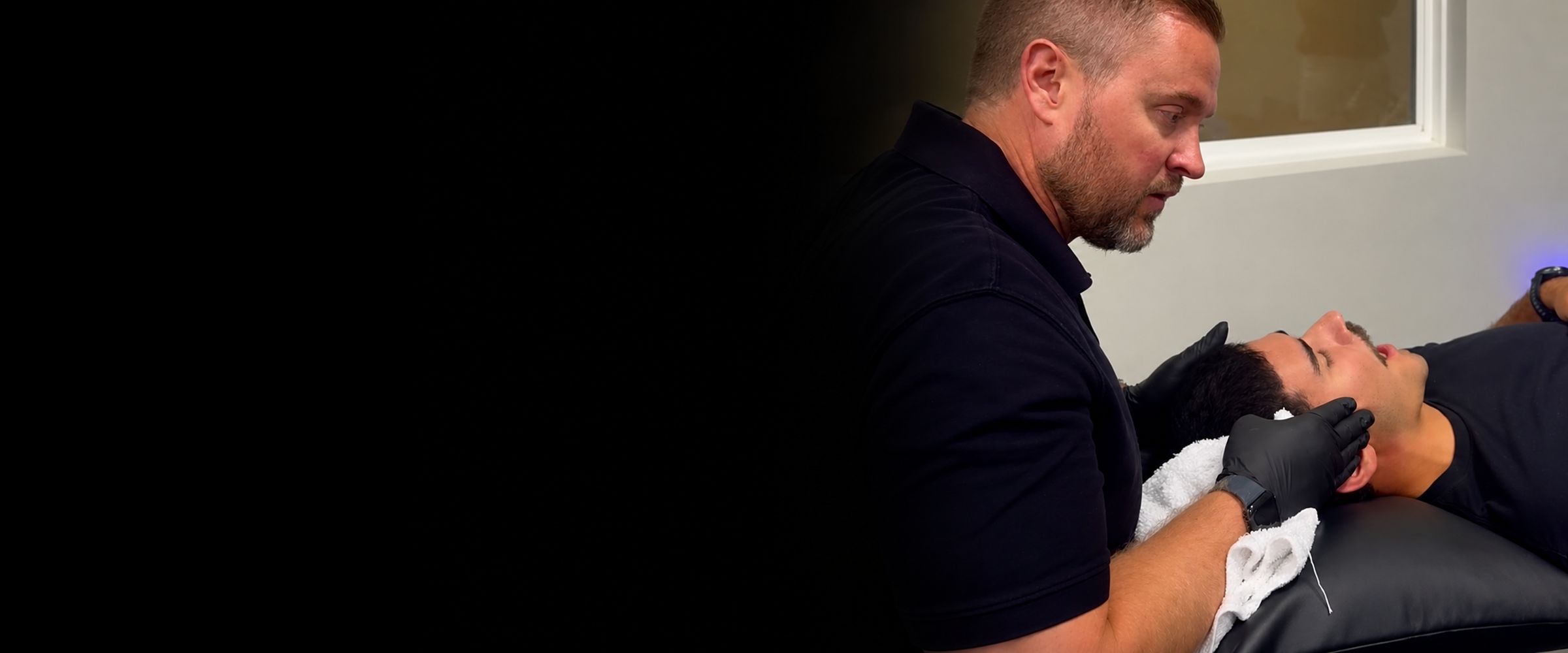
TMJ PHYSICAL THERAPY & JAW PAIN TREATMENT

TMJ Therapy: Relief for Jaw Pain, Headaches, and Jaw Dysfunction
Jaw pain can make everyday activities like chewing, talking, yawning, and sleeping uncomfortable. If you're experiencing jaw clicking or popping, facial pain, headaches, ear discomfort, or difficulty opening your mouth, your symptoms may be associated with a temporomandibular disorder (TMD).
At True Grit Physical Therapy in Abilene, TX, we provide individualized TMJ physical therapy to help patients manage jaw pain, improve jaw mobility, and restore comfortable movement. Our approach focuses on understanding the factors contributing to your symptoms rather than simply treating the area where you feel pain.
TMJ-related symptoms may involve the jaw joint, surrounding muscles, and sometimes the cervical spine. Teeth clenching, grinding, previous injuries, and changes in activity or loading can also contribute to symptoms. Because these factors vary between individuals, a comprehensive assessment is essential for developing an appropriate treatment plan.
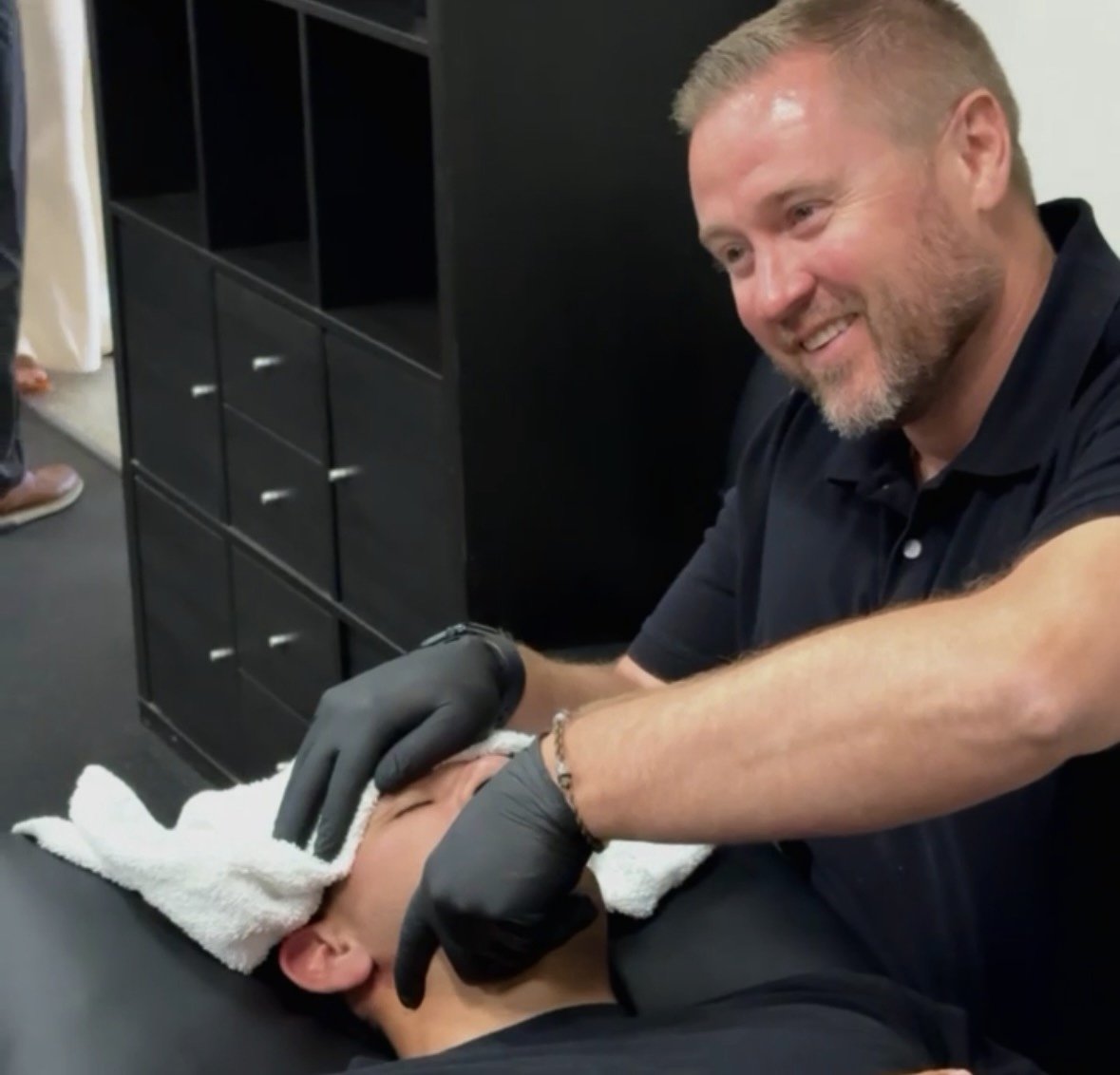
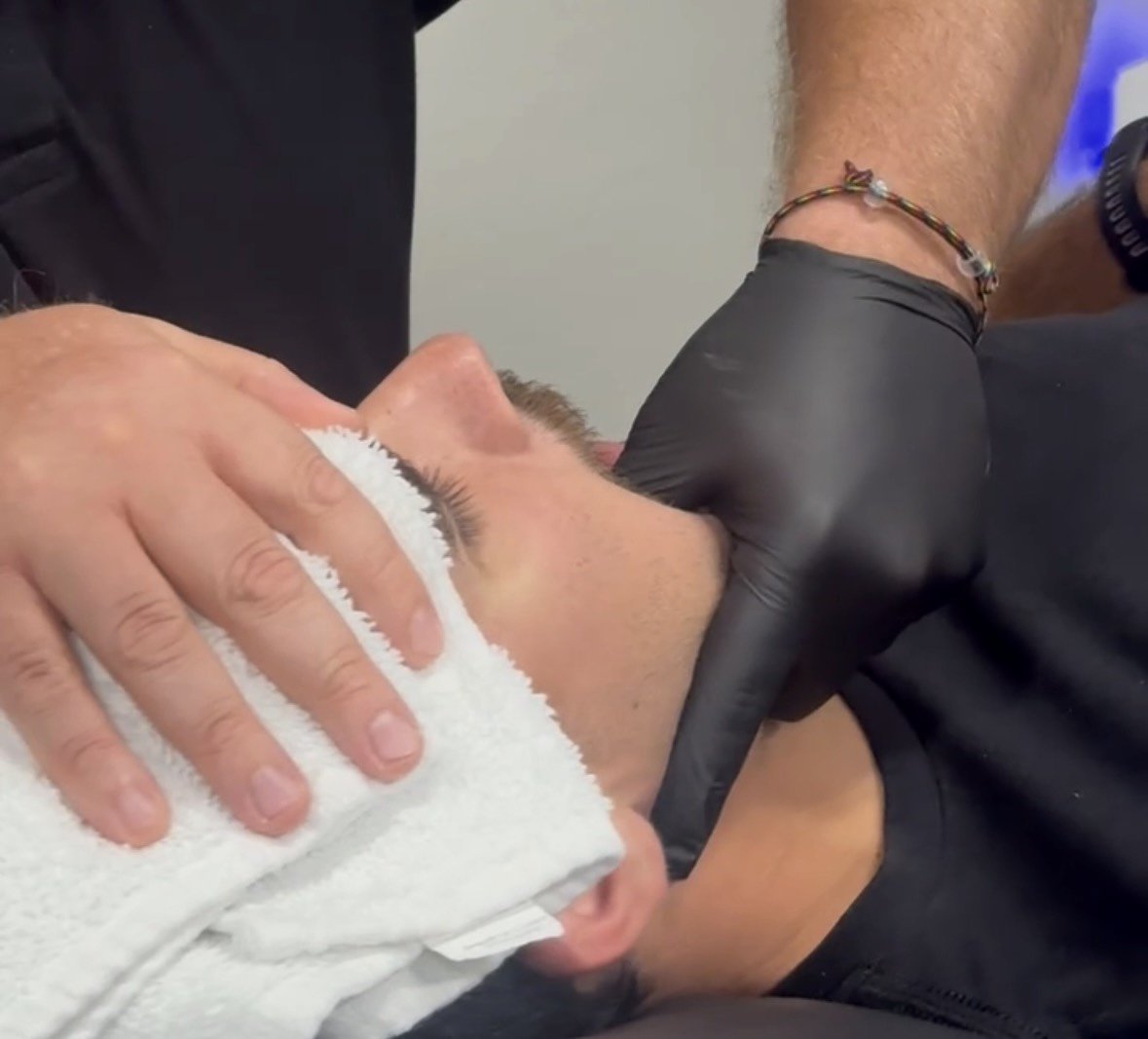
Our one-on-one, 60-minute physical therapy sessions may include hands-on manual therapy, jaw mobility exercises, progressive strengthening, movement retraining, education, and dry needling when appropriate. We work with patients to improve jaw function, manage symptoms, and return to everyday activities with greater comfort and confidence.
Common TMJ Symptoms & Conditions We Treat
Temporomandibular disorders (TMD) can affect the jaw joints, surrounding muscles, and your ability to perform everyday activities such as chewing, talking, and yawning. At True Grit Physical Therapy in Abilene, TX, we help patients identify potential sources of jaw pain and develop individualized rehabilitation programs to improve movement and function.
Jaw Pain and Facial Muscle Pain
Pain in the jaw, cheeks, temples, or surrounding facial muscles may be associated with temporomandibular disorders. Symptoms can develop gradually or become more noticeable during chewing, speaking, or prolonged jaw activity.
Our physical therapy approach may include manual therapy, therapeutic exercises, and education to improve jaw mobility, reduce muscle sensitivity, and increase tolerance to daily activities.
Jaw Clicking and Popping
Clicking or popping during jaw opening and closing can occur when structures within the temporomandibular joint move differently than expected. These sounds are not always associated with injury or a need for treatment.
When clicking is accompanied by pain, catching, or restricted movement, we assess jaw mechanics, joint mobility, and muscle function to determine whether rehabilitation may be helpful.
TMJ-Related Headaches
Some headaches may be associated with temporomandibular disorders, particularly when jaw movement, chewing, or clenching reproduces familiar headache symptoms.
Our assessments consider the relationship between jaw function, surrounding musculature, and the cervical spine to identify potential contributors and guide appropriate treatment.
Limited Jaw Opening and Jaw Locking
Difficulty opening the mouth fully, jaw stiffness, or episodes of locking may occur with certain TMJ conditions, including muscle-related disorders and internal joint derangements.
We evaluate jaw movement, symptom behavior, and functional limitations to determine appropriate treatment strategies. Persistent locking or significant movement restrictions may require coordination with a dentist or other healthcare provider.
Teeth Clenching and Grinding (Bruxism)
Frequent jaw clenching or teeth grinding may contribute to muscle fatigue, soreness, and increased sensitivity around the jaw and temples.
Physical therapy may help address associated muscle pain, movement limitations, and aggravating habits. We may also coordinate with your dentist when dental protection or additional management is appropriate.
Ear Pain and Discomfort Associated with TMJ Dysfunction
Some individuals with temporomandibular disorders experience discomfort near the ear, a sensation of pressure, or pain around the jaw joint.
Because ear symptoms can have several causes, a thorough assessment is important. When symptoms appear related to jaw function, physical therapy may help address contributing musculoskeletal factors. Symptoms suggesting an ear disorder warrant appropriate medical evaluation.
What to Expect During Your TMJ Physical Therapy Assessment
At True Grit Physical Therapy in Abilene, TX, our TMJ evaluations focus on understanding the relationship between your symptoms, jaw movement, muscle function, and surrounding structures. Our one-on-one, 60-minute appointments allow us to perform a detailed assessment and develop a treatment plan tailored to your individual needs.
Detailed Symptom & Medical History
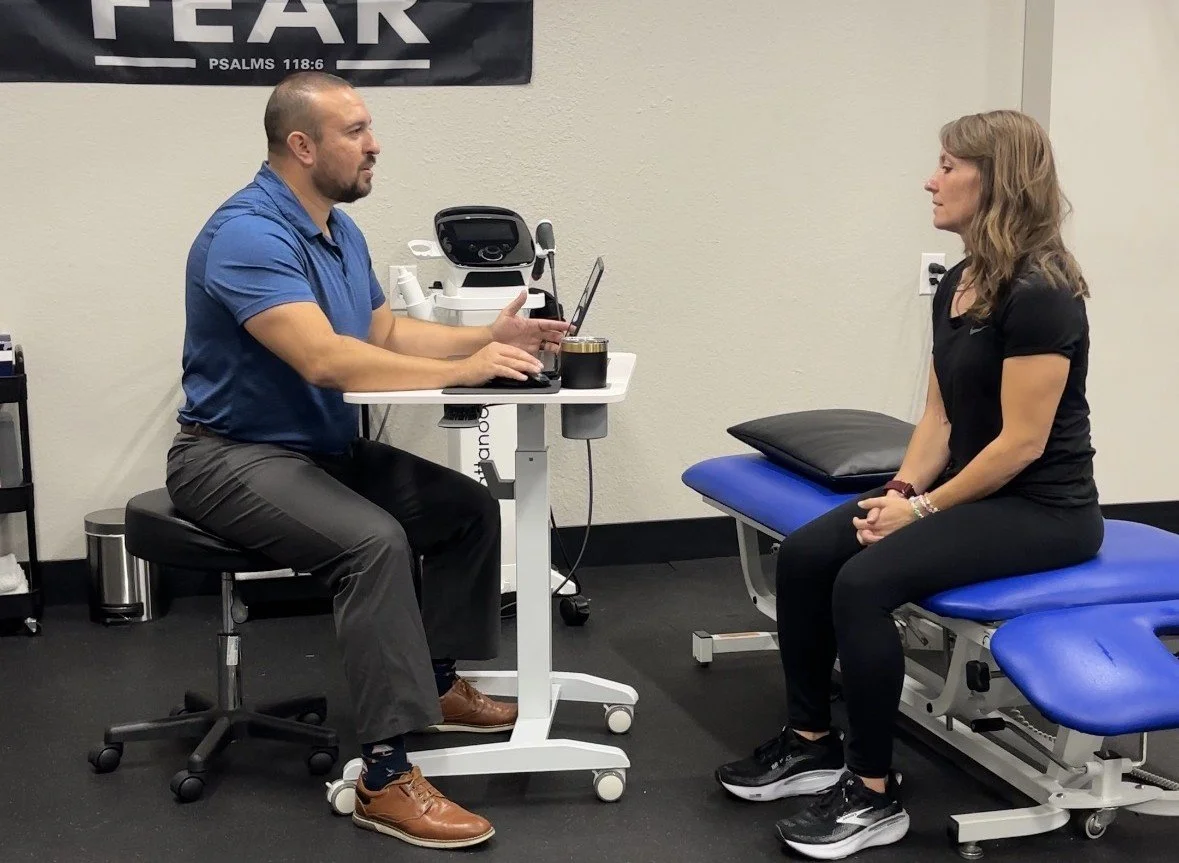
We begin by discussing your symptoms, medical and dental history, previous injuries, and functional limitations. We explore activities that may aggravate your symptoms, including chewing, yawning, talking, clenching, and prolonged mouth opening.
Jaw Mobility & Movement Assessment
We assess jaw opening, closing, and side-to-side movements to identify limitations, asymmetries, or symptoms associated with specific movements.
When appropriate, we also evaluate joint sounds, movement coordination, and the functional demands placed on your jaw.
Muscle & Cervical Spine Assessment
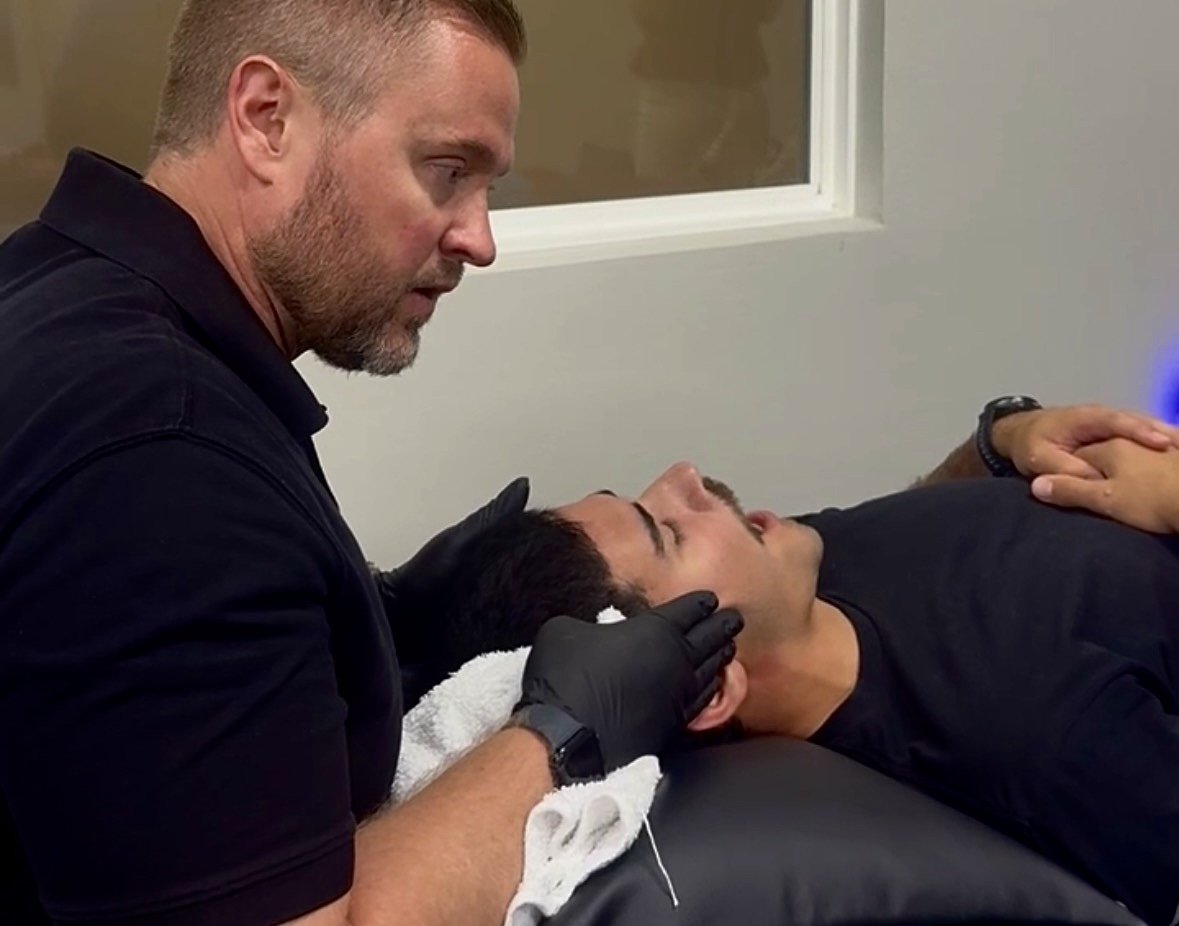
The jaw and cervical spine can influence one another. We assess relevant muscles of the jaw, face, and neck, along with cervical mobility and muscle function, when clinically indicated.
These findings help us identify musculoskeletal factors that may be contributing to your symptoms.
Individualized TMJ Treatment Plan
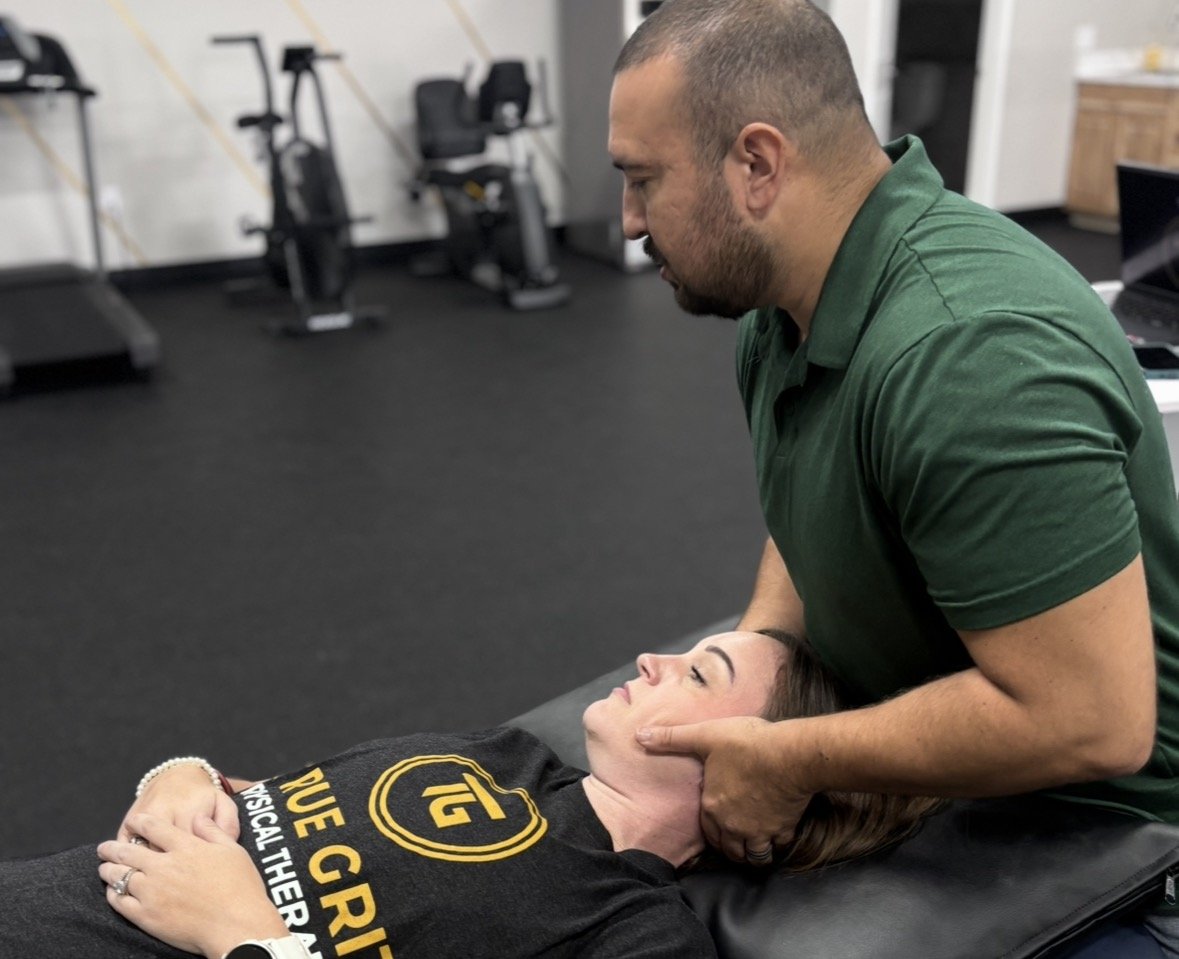
Based on your evaluation, treatment may include joint mobilization, soft tissue techniques, jaw mobility exercises, movement retraining, therapeutic strengthening, and education about managing aggravating activities.
Dry needling may also be considered when appropriate following an individualized assessment.
Long-Term Symptom Management
Our goal is to help you improve jaw function, manage discomfort, and return to everyday activities with greater confidence.
We also provide individualized home exercises and self-management strategies to help you maintain progress between appointments.
Frequently Asked Questions About TMJ Pain
-
Yes! Physical therapy can be an effective conservative treatment for many temporomandibular disorders, particularly those involving muscle-related pain or limitations in jaw movement. Treatment may include manual therapy, therapeutic exercises, movement retraining, and education to improve jaw function and manage symptoms.
-
Jaw clicking or popping may occur because of changes in how the disc and other structures within the temporomandibular joint move during opening and closing. Clicking without pain or functional limitations is common and does not always require treatment. Painful clicking, catching, or locking should be evaluated.
-
Temporomandibular disorders can contribute to certain headaches, particularly pain around the temples that is influenced by jaw activity or reproduced during examination of the jaw muscles. However, headaches have many potential causes, so a comprehensive assessment is important.
-
Dry needling may help reduce pain and muscle sensitivity in some patients with muscle-related temporomandibular disorders. It is generally considered an adjunct to a broader rehabilitation program rather than a standalone treatment. Whether dry needling is appropriate depends on your symptoms, examination findings, and individual medical considerations.
-
Treatment duration varies depending on the type of temporomandibular disorder, symptom severity, how long symptoms have been present, and your response to treatment. Some patients notice improvement within several weeks, while more persistent conditions may require a longer rehabilitation program.
-
Both can play important roles in managing temporomandibular disorders. Dentists can evaluate dental and bite-related concerns, while physical therapists assess jaw movement, muscle function, cervical spine contributions, and functional limitations. Collaborative care may be appropriate depending on your symptoms.
-
True Grit Physical Therapy in Abilene, TX provides individualized, one-on-one TMJ rehabilitation for patients experiencing jaw pain, painful clicking, headaches associated with jaw dysfunction, and limited jaw mobility. Our treatment approach focuses on identifying contributing factors and improving comfortable jaw function.
