HIP PAIN RESOURCES
Hip pain can make everyday activities like walking, climbing stairs, sitting for long periods, exercising, or participating in sports more difficult. Whether you're dealing with arthritis, hip bursitis, tendinitis, labral tears, muscle strains, hip impingement, or pain caused by overuse, understanding the source of your symptoms is an important step toward effective treatment and lasting relief.
This resource center is designed to help you learn more about common hip conditions, how physical therapy can help reduce pain and improve mobility, and what to expect throughout the rehabilitation process. Explore our educational articles, answers to frequently asked questions, and evidence-based resources created by the team at True Grit Physical Therapy to better understand your hip pain, restore strength and flexibility, and return to the activities you enjoy with confidence.
Frequently Asked Questions About Hip Pain
-
Hip pain can result from a variety of conditions affecting the bones, joints, muscles, tendons, or surrounding tissues. Common causes include hip osteoarthritis, bursitis, tendinitis, hip impingement (FAI), labral tears, muscle strains, overuse injuries, and referred pain from the lower back. A physical therapy evaluation can help determine the underlying cause of your symptoms and guide the most effective treatment plan.
-
You should consider seeing a physical therapist if your hip pain lasts more than a few days, continues to return, limits your ability to walk or exercise, interferes with daily activities, or causes stiffness or weakness. Early treatment can often reduce pain, improve mobility, and prevent the condition from becoming more severe.
-
Yes. Physical therapy is one of the most effective non-surgical treatments for many causes of hip pain. Your physical therapist will identify the source of your symptoms and create a personalized treatment plan that may include manual therapy, targeted strengthening exercises, flexibility training, balance work, and movement education to improve function and reduce pain.
-
The best exercises depend on the cause of your hip pain. Many treatment plans include strengthening the gluteal muscles and core, improving hip mobility, stretching tight muscles, and correcting movement patterns. Because every condition is different, it's important to perform exercises recommended by a physical therapist rather than relying on generic online exercise programs.
-
For many people, walking can help maintain joint mobility and overall health. However, if walking significantly increases your pain, causes limping, or worsens symptoms afterward, you should have your hip evaluated. A physical therapist can determine whether walking is appropriate and recommend activity modifications if needed.
-
Hip pain should be evaluated if it follows a fall or injury, prevents you from bearing weight, is accompanied by severe swelling or deformity, or is associated with fever, numbness, or unexplained weakness. Persistent hip pain that lasts several weeks or continues to worsen should also be assessed by a healthcare professional to determine the underlying cause.
-
Some mild muscle strains or temporary overuse injuries improve with rest and activity modification. However, persistent hip pain often indicates an underlying condition that may continue to worsen if left untreated. Physical therapy can address the root cause of the problem, helping reduce pain, restore movement, and lower the risk of future flare-ups.
-
Your first appointment typically includes a detailed discussion of your symptoms, medical history, activity level, and goals. Your physical therapist will evaluate your hip mobility, strength, flexibility, balance, posture, and walking mechanics to identify the source of your pain. Based on the findings, you'll receive a personalized treatment plan along with education and exercises designed to help you recover safely and return to the activities you enjoy.
LATEST HIP PAIN ARTICLES
-
![An elderly person wearing a white shirt is sitting on a brown leather sofa, holding their abdomen, possibly experiencing stomach pain or discomfort.]()
Why Does My Hip Hurt After Sitting?
Hip pain after sitting isn't always caused by arthritis or tight muscles. Learn how the hip joint, surrounding muscles, the lower back, or irritated nerves may contribute to your symptoms, and how a comprehensive physical therapy evaluation can uncover the true cause for lasting relief.
-
![An illustration of the human body's lower torso highlighting causes of groin pain, including inguinal hernia, hip arthritis, hip labrum tear, kidney stone, and conditions like groin strain, early arthritis, and lumbar radiculopathy.]()
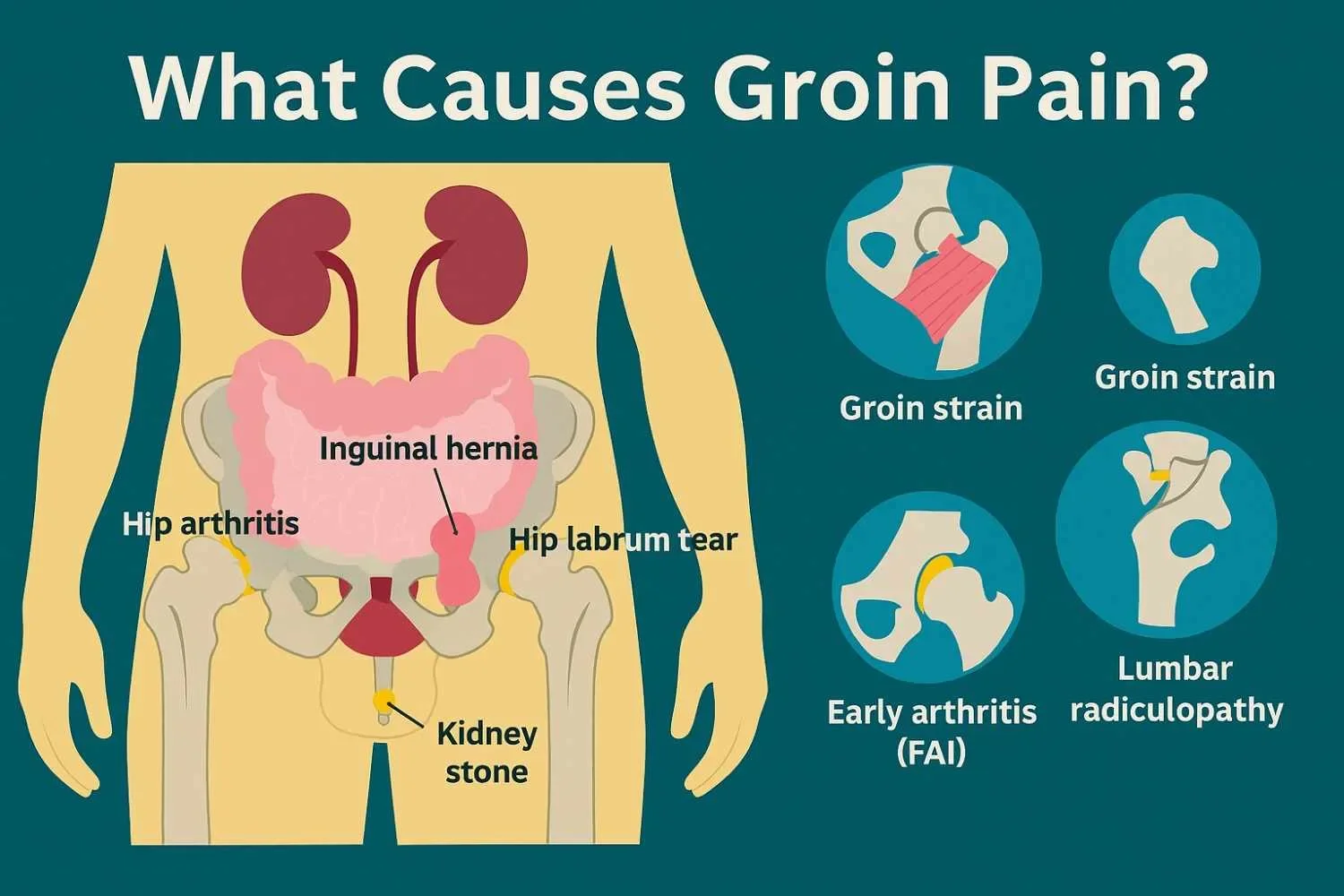
What Causes Groin Pain?
Groin pain can come from many different structures, including the hip joint, muscles, tendons, lower back, or nerves. Discover why identifying the true source of your pain is essential and how a comprehensive physical therapy evaluation can help guide effective treatment.
-
![Person wearing a plaid shirt holding their stomach.]()
What Causes Hip Pain?
Hip pain doesn't always come from the hip. The real culprit could be hiding in your lower back, surrounding muscles, or referred from another area entirely. At True Grit Physical Therapy, we identify the true source of your pain so treatment actually fixes the problem, not just masks it.
-
![Medical Illustration by Bailey Mariner]()
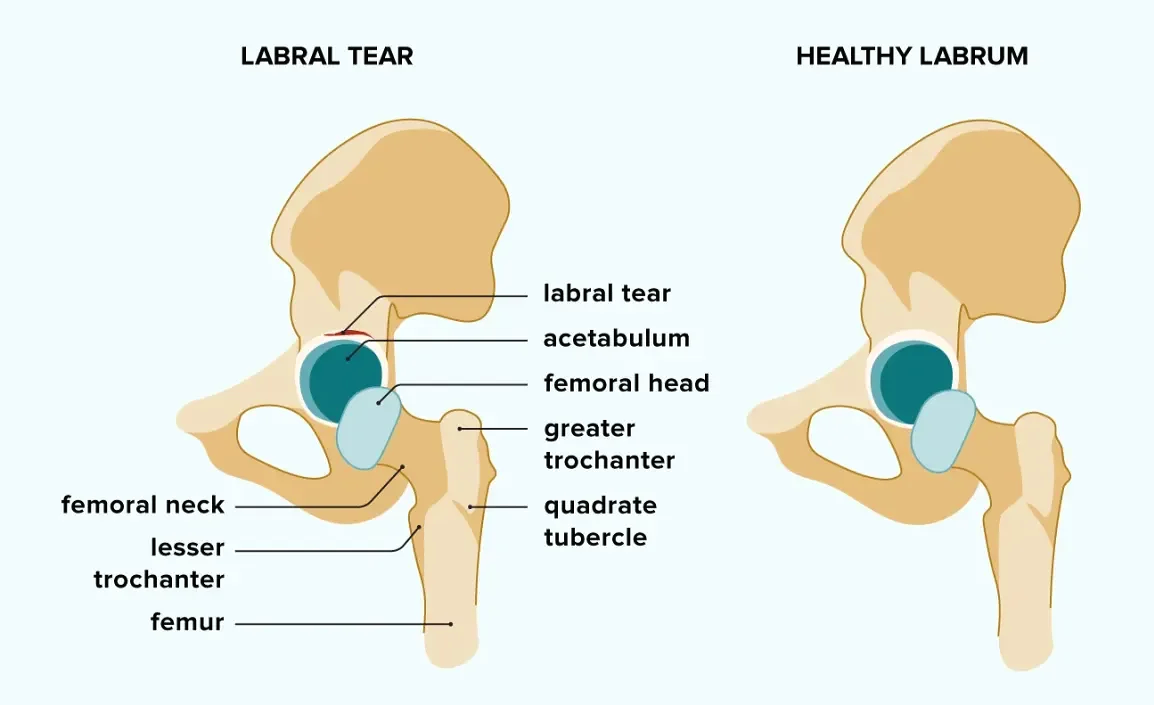
What Is a Hip Labral Tear?
Diagnosed with a hip labral tear and wondering if surgery is your only option? Before you panic, know this: an MRI finding doesn't always equal pain. Learn what a hip labral tear actually is, why many tears are symptom-free, and how physical therapy can help you restore movement without jumping straight to surgery.
-
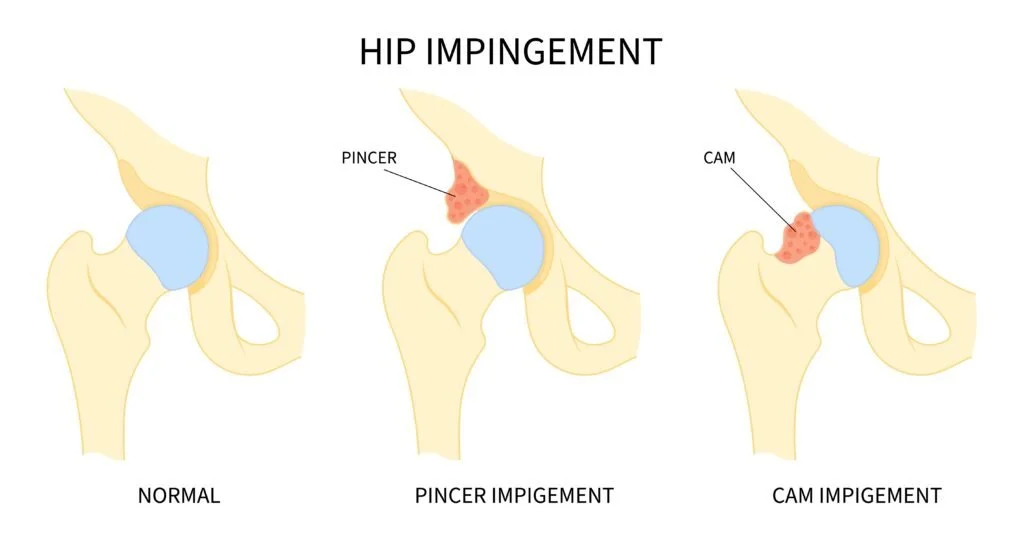
![Diagram showing hip impingement, including normal hip, pincer impingement with a bony growth called a pincer, and cam impingement with a bony bump called a cam.]()
Hip Labral Tear vs. Hip Impingement (FAI): What's the Difference?
Heard the terms "hip impingement" and "labral tear" used interchangeably? While FAI and labral tears often happen together, they aren't the same thing. One is about bone shape, and the other is about cartilage—and surprisingly, both can exist without causing pain. Learn the key differences, how they interact, and how to get an accurate diagnosis.