

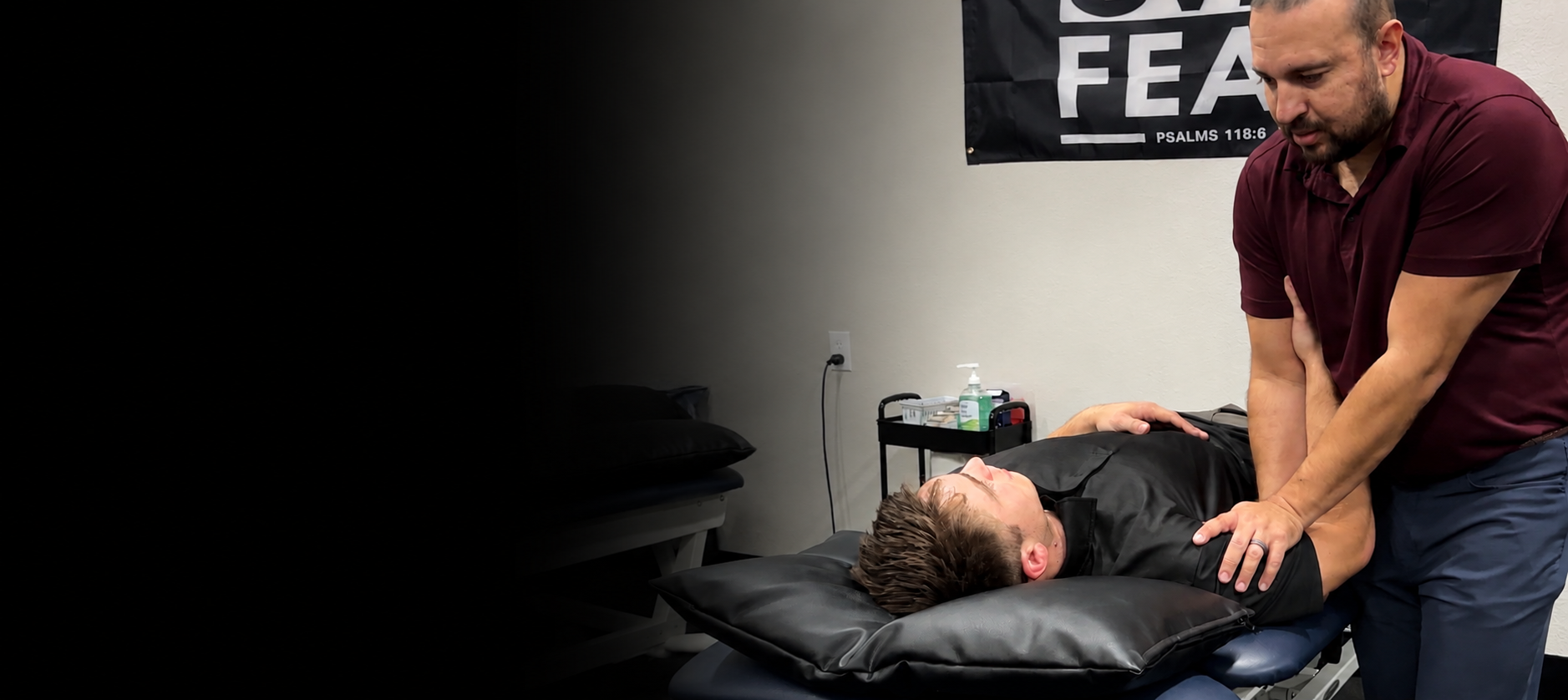
SHOULDER PAIN TREATMENT
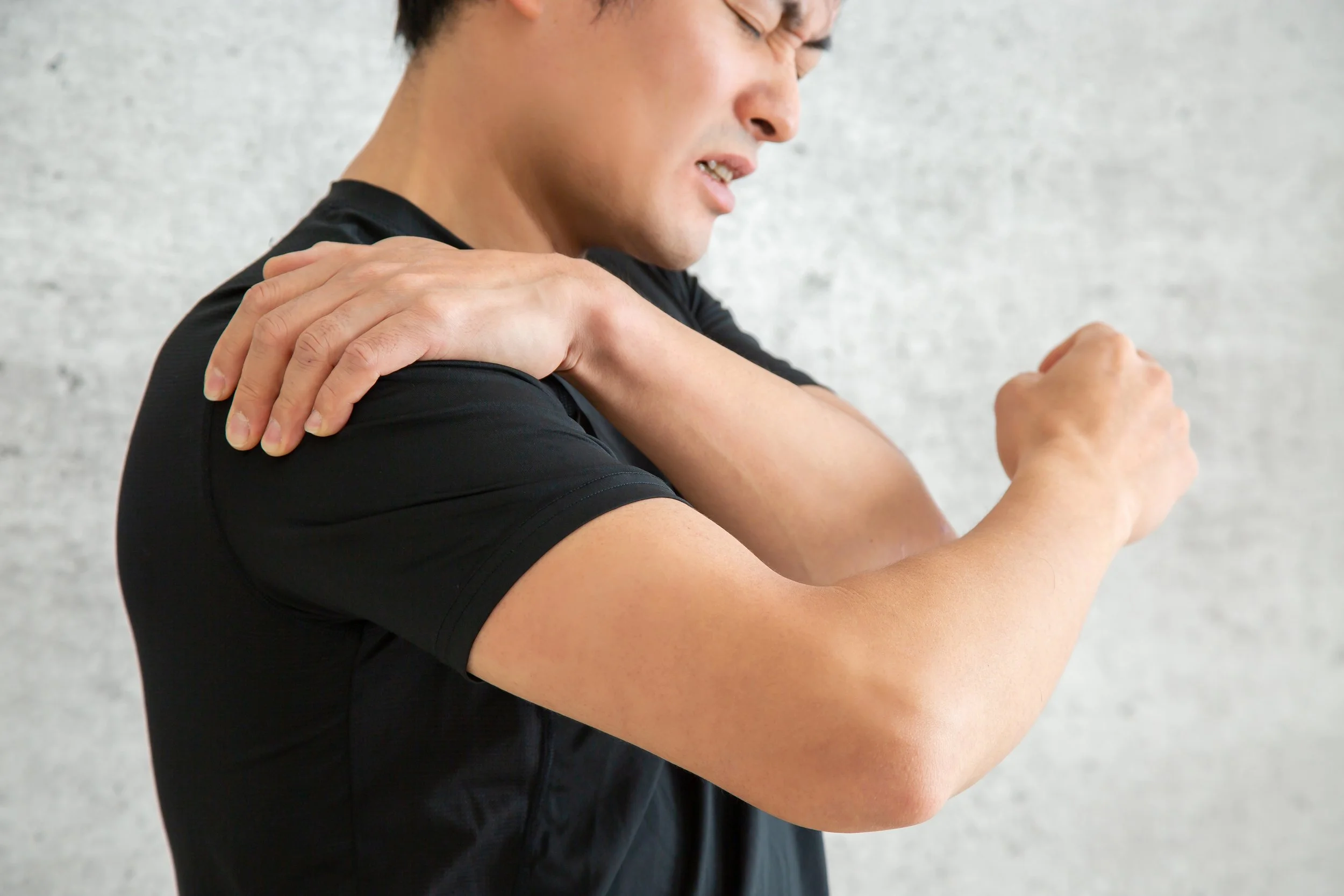
Shoulder Pain Treatment: Get Back to Moving with Confidence
Shoulder pain can make everyday activities like reaching overhead, lifting weights, getting dressed, exercising, and sleeping uncomfortable. Whether your symptoms began after an injury or developed gradually, identifying the factors contributing to your shoulder pain is an important first step toward recovery.
At True Grit Physical Therapy in Abilene, TX, we help active adults and athletes overcome shoulder pain, restore mobility, improve strength, and return to the activities they enjoy. We treat a variety of shoulder conditions, including rotator cuff injuries, shoulder impingement-related pain, frozen shoulder, labral injuries, shoulder instability, arthritis, and post-surgical rehabilitation.
Shoulder pain doesn't always originate from the shoulder joint itself. Symptoms may also be influenced by the cervical spine, upper back, surrounding muscles, or shoulder blade mechanics. Our comprehensive evaluations focus on identifying potential sources of pain and understanding how your shoulder functions during everyday activities, exercise, and sports.
Our one-on-one, 60-minute physical therapy sessions combine individualized assessments, hands-on manual therapy when appropriate, progressive strengthening, and movement retraining. Rather than simply providing temporary symptom relief, our goal is to improve your ability to tolerate activity and help you return to work, exercise, and sports with greater confidence.
Common Shoulder Conditions We Treat
Shoulder pain can develop from sports injuries, repetitive movements, joint stiffness, tendon irritation, or changes in strength and mobility. At True Grit Physical Therapy in Abilene, TX, we provide individualized shoulder rehabilitation to help patients reduce pain, restore function, and return to the activities they enjoy.
Rotator Cuff Injuries and Tendinopathy
Rotator cuff injuries can cause pain when lifting, reaching overhead, exercising, or sleeping on the affected shoulder. Whether you're experiencing rotator cuff tendinopathy, a partial tear, or weakness following an injury, physical therapy can help improve shoulder strength, mobility, and loading tolerance.
Shoulder Impingement and Subacromial Pain
Pain when reaching overhead, lifting weights, or moving your arm away from your body may be associated with subacromial shoulder pain. We assess shoulder mobility, rotator cuff strength, scapular movement, and activity demands to identify factors contributing to your symptoms. Learn more about shoulder impingement and physical therapy treatment.
Frozen Shoulder (Adhesive Capsulitis)
Frozen shoulder often causes progressive stiffness, pain, and difficulty with everyday activities such as reaching behind your back or getting dressed. Treatment focuses on managing symptoms, improving available motion, and gradually restoring functional movement. Read more about physical therapy for frozen shoulder.
Shoulder Labral Injuries and Instability
Labral injuries and shoulder instability may cause pain, clicking, apprehension, or a sensation that the shoulder is slipping out of place. Rehabilitation emphasizes shoulder stability, rotator cuff strengthening, neuromuscular control, and progressive return to activity.
Shoulder Arthritis
Shoulder osteoarthritis can contribute to stiffness, discomfort, and difficulty performing daily tasks. Physical therapy may help improve mobility, strengthen surrounding muscles, and maintain functional independence.
Biceps Tendinopathy
Pain along the front of the shoulder may involve the long head of the biceps tendon. We evaluate shoulder mechanics, strength, and activity-related loading to develop an individualized rehabilitation program.
Post-Surgical Shoulder Rehabilitation
Following procedures such as rotator cuff repair, labral repair, or shoulder replacement, rehabilitation is important for restoring mobility, strength, and function. We provide progressive, individualized treatment while following applicable surgical precautions and rehabilitation protocols.
What to Expect During Your Shoulder Physical Therapy Assessment
At True Grit Physical Therapy in Abilene, TX, we take a comprehensive approach to evaluating shoulder pain. Our goal is to identify the factors contributing to your symptoms, determine how your shoulder is functioning, and develop an individualized treatment plan that helps you return to the activities you enjoy.
Comprehensive Shoulder Evaluation
Your initial evaluation begins with a discussion of your symptoms, injury history, activity level, and personal goals. We assess shoulder range of motion, joint mobility, rotator cuff strength, and functional movement to identify limitations that may be contributing to your pain.
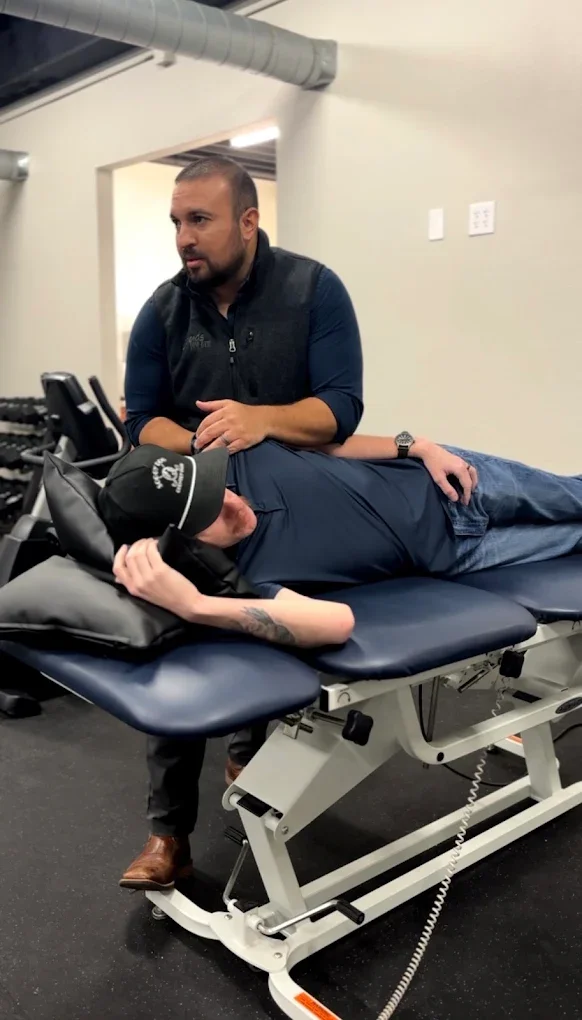
Assessment of the Neck, Upper Back, and Shoulder Blade
Shoulder pain does not always originate from the shoulder joint itself. We evaluate the cervical spine, thoracic spine, and scapular mechanics to determine whether surrounding structures or movement impairments may be influencing your symptoms. This helps us develop a more complete understanding of your condition.
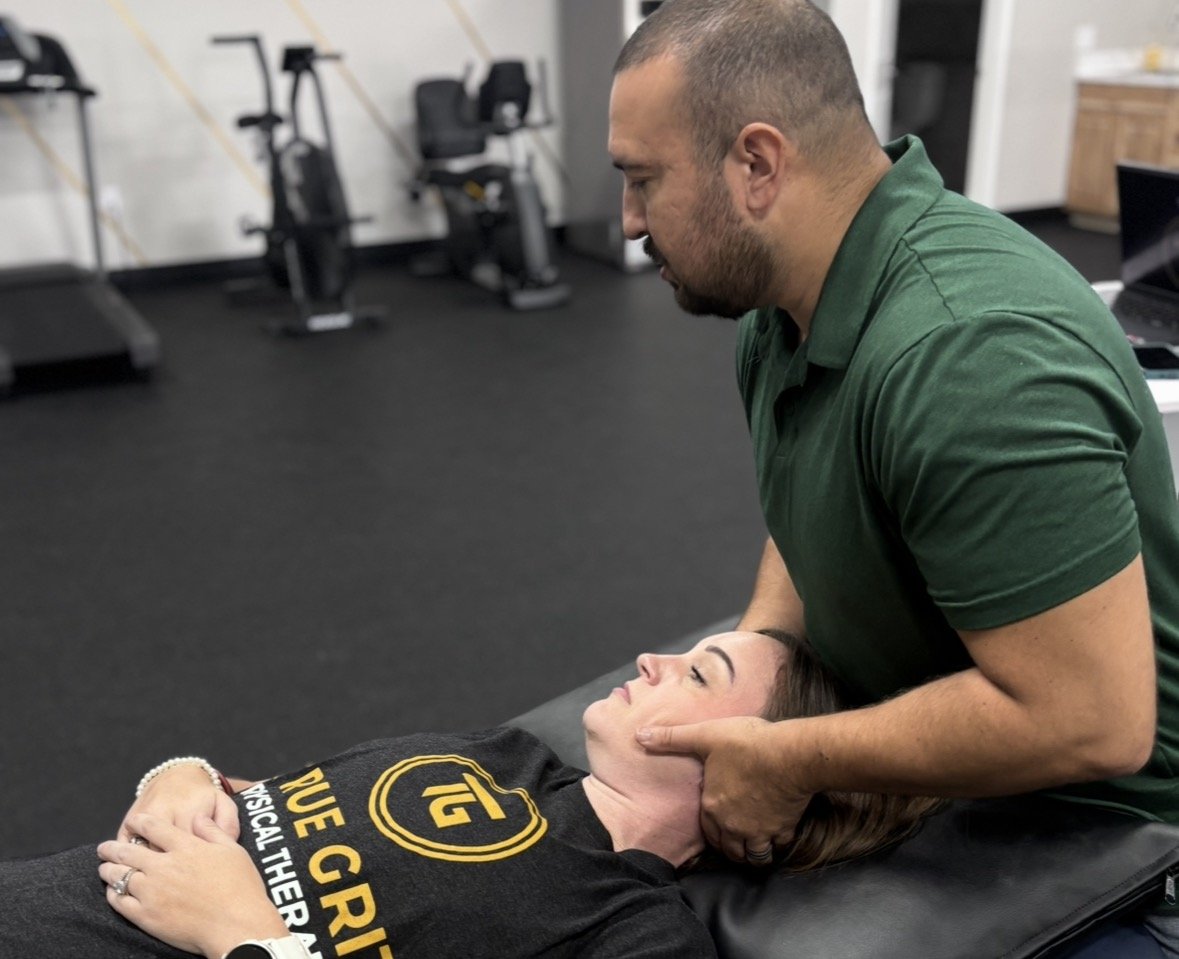
Identification of Contributing Factors
Using orthopedic testing, strength assessments, and movement analysis when appropriate, we work to distinguish between conditions such as rotator cuff tendinopathy, shoulder impingement, labral injuries, adhesive capsulitis, and cervical nerve involvement. We also consider training demands, repetitive activities, and previous injuries that may affect your recovery.
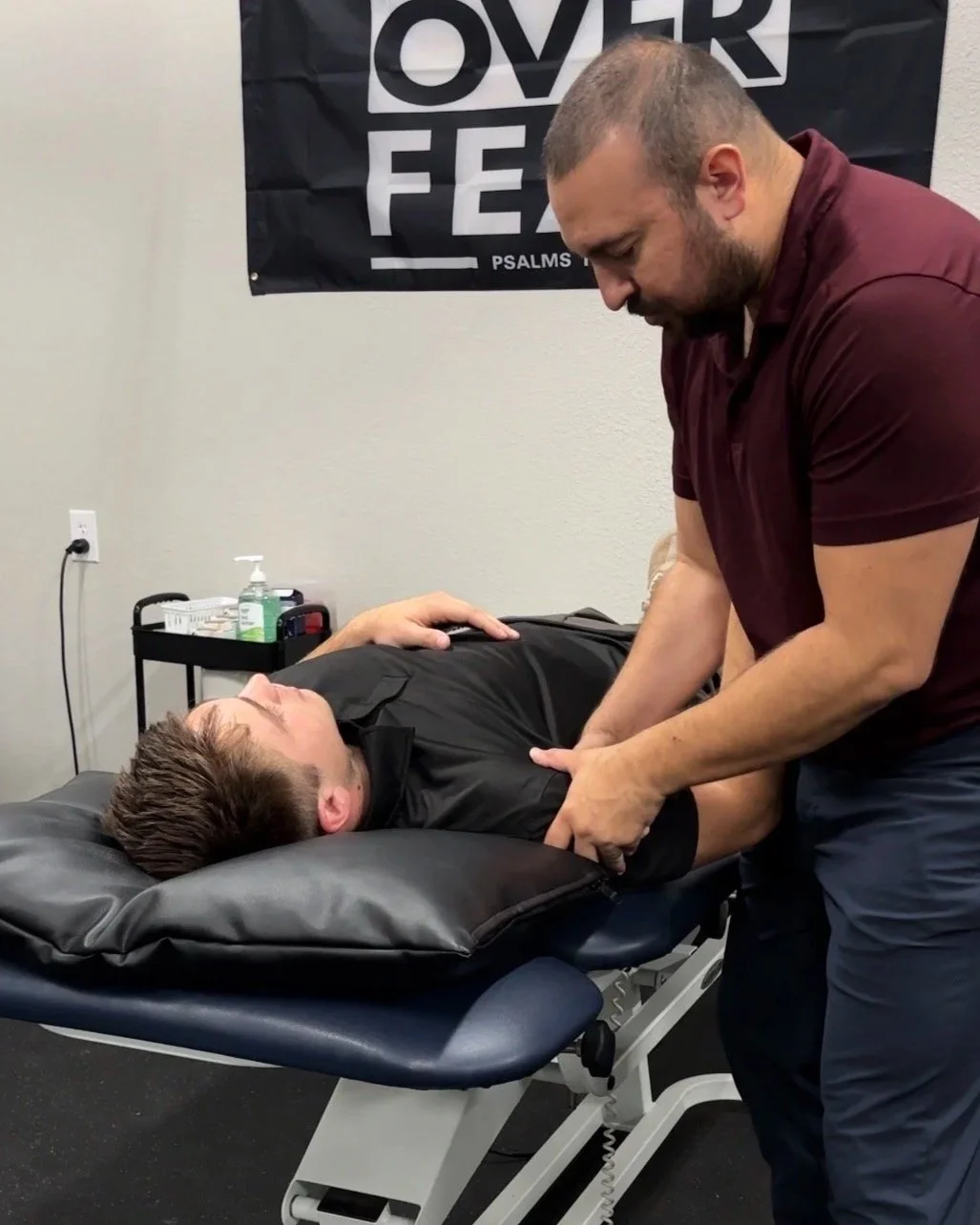
Individualized Shoulder Rehabilitation
Based on your evaluation findings, we develop a treatment plan tailored to your specific needs. Rehabilitation may include hands-on manual therapy, joint mobilization, dry needling when appropriate, mobility exercises, progressive strengthening, and neuromuscular re-education. Treatment focuses on improving shoulder function and gradually increasing your tolerance for daily activities and exercise.
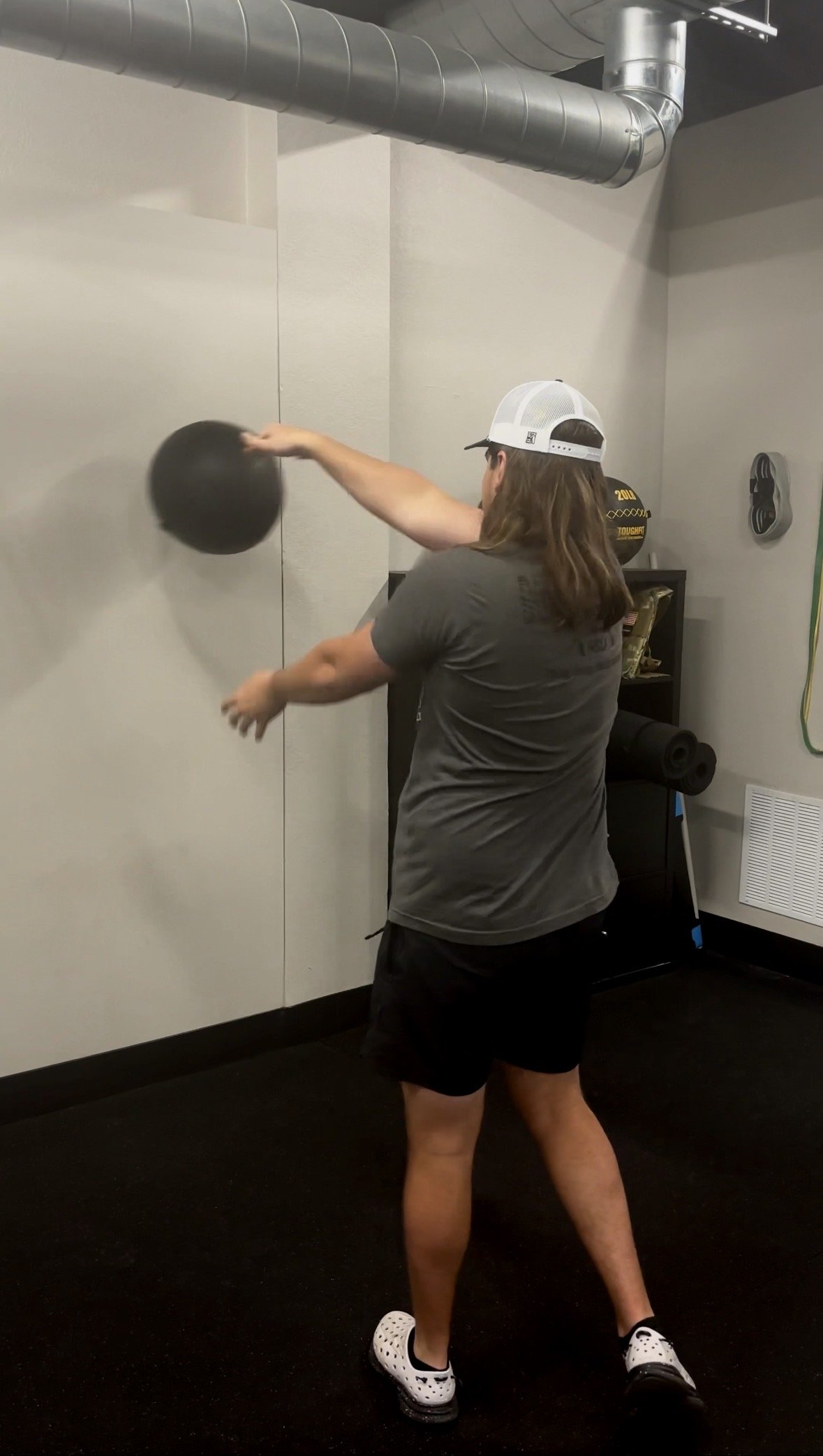
Return to Sport & Long Term Management
As your symptoms improve, we progress your rehabilitation toward the activities that matter most to you. Whether your goal is lifting weights, returning to sports, working overhead, or performing everyday tasks without discomfort, we incorporate functional strengthening, movement retraining, and return-to-sport testing when appropriate.
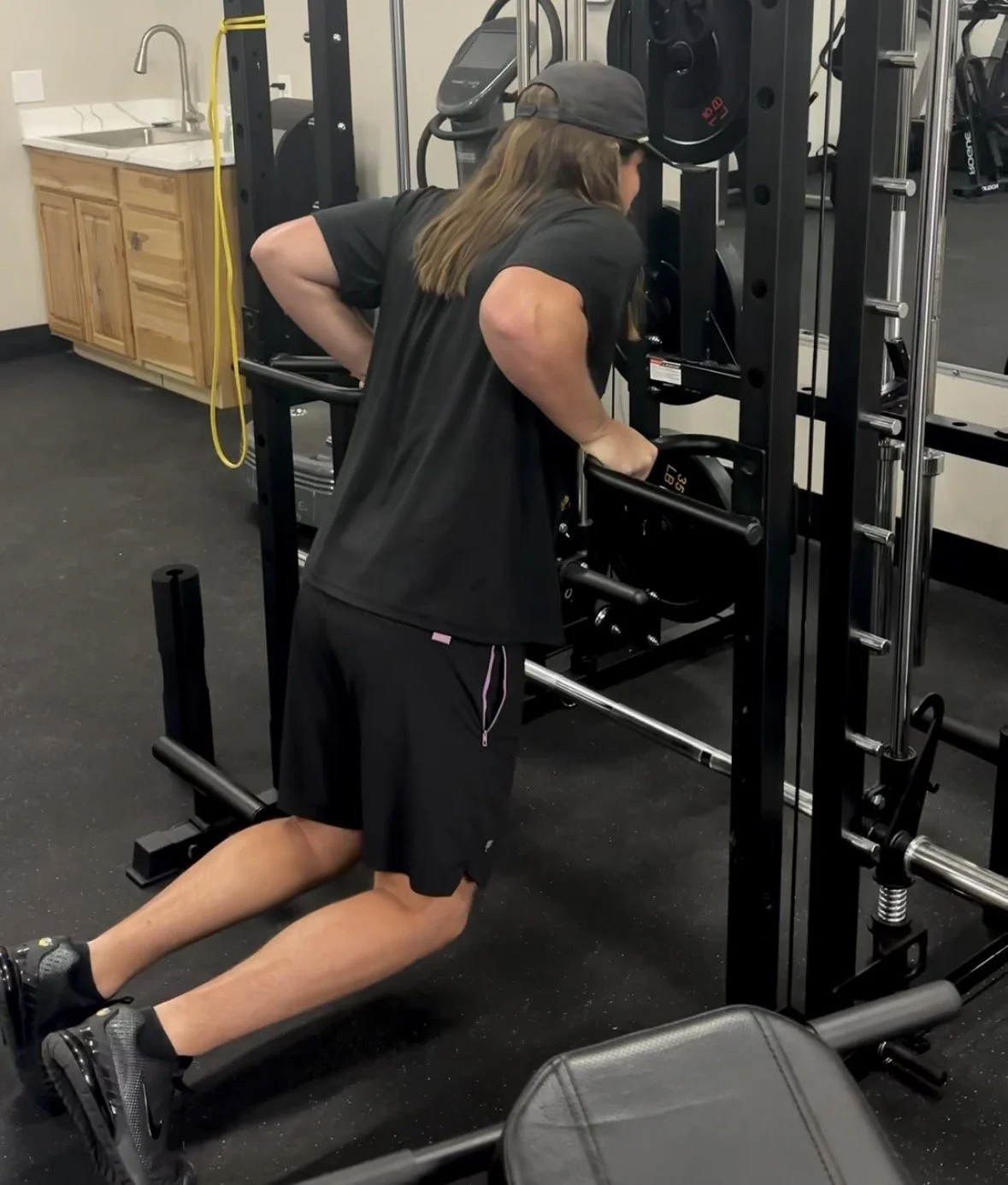
Frequently Asked Questions About Shoulder Physical Therapy
-
Yes. Many shoulder conditions, including rotator cuff tendinopathy, some rotator cuff tears, subacromial pain, and shoulder arthritis, can improve with conservative treatment. Physical therapy focuses on improving strength, mobility, movement tolerance, and function. Some injuries still require medical or surgical evaluation.
-
Rotator cuff-related shoulder pain often occurs when lifting your arm, reaching overhead, or lying on the affected shoulder. However, other conditions can cause similar symptoms. A physical therapy evaluation can help identify the likely source of your pain and determine whether additional medical evaluation is appropriate.
-
Physical therapy can improve pain and function for many individuals with rotator cuff tears, particularly some degenerative or partial-thickness tears. Treatment typically includes progressive strengthening, mobility exercises, and activity modification. Acute traumatic tears with substantial weakness should receive timely medical evaluation.
-
Treatment depends on the stage and severity of frozen shoulder. Physical therapy may include symptom management, appropriately dosed stretching, joint mobilization, and strengthening. Recovery often takes months, and aggressive stretching is not always appropriate during highly painful stages.
-
Shoulder pain at night may be associated with rotator cuff-related pain, bursitis, frozen shoulder, arthritis, or other conditions. Sleeping position and pressure on the shoulder may increase symptoms. An evaluation can help determine contributing factors and appropriate treatment options.
-
Yes. Certain cervical spine conditions, including nerve irritation, can produce pain that travels into the shoulder or arm. Symptoms may include tingling, numbness, or weakness. A comprehensive assessment helps distinguish shoulder-related symptoms from those potentially originating in the neck.
-
Recovery time depends on the diagnosis, severity, duration of symptoms, and individual goals. Some patients improve over several weeks, while others, particularly those recovering from surgery or frozen shoulder, may require several months of rehabilitation.
-
True Grit Physical Therapy provides individualized shoulder pain rehabilitation in Abilene, TX. Our one-on-one, 60-minute appointments focus on identifying contributing factors, improving movement, restoring strength, and helping patients return to their daily activities, exercise, and sports.
