


RUNNER REHAB

Runner Rehabilitation: Pain Free Running Starts Here
At True Grit Physical Therapy in Abilene, TX, we help runners overcome injuries, improve running mechanics, and return to training with confidence. Whether you're dealing with shin splints, hip pain, knee pain, Achilles tendinopathy, plantar heel pain, or recurring running injuries, our individualized approach focuses on identifying contributing factors and building the strength and capacity needed to keep you moving.
Too often, runners are told to simply stop running and rest. While temporary training modifications may be necessary, rest alone doesn't always address the factors contributing to recurring pain. Changes in training volume, strength deficits, movement patterns, and tissue-loading capacity can all play a role.
Our one-on-one, 60-minute physical therapy sessions combine detailed movement assessments, individualized rehabilitation, progressive strengthening, and return-to-running strategies. Our goal isn't simply to help you feel better—it's to help you return to the activities you love with a plan for long-term success.
Common Running Injuries We Treat
Running injuries can develop when training demands exceed your body’s current capacity to tolerate them. We help runners identify contributing factors, improve their tolerance to load, and progressively return to running with confidence.
Shin Splints (Medial Tibial Stress Syndrome)
Pain along the inside of the shin is common in runners, especially after sudden increases in mileage or training intensity. We assess training load, strength, mobility, and movement mechanics to develop an individualized rehabilitation plan.
Runner’s Knee (Patellofemoral Pain)
Pain around or behind the kneecap (patella) can make running, squatting, jumping, and navigating stairs uncomfortable. Treatment may include joint and/or soft tissue mobilization, targeted strengthening, movement retraining, and specific running readiness activities.
Achilles Tendinopathy
Achilles tendon pain and stiffness can interfere with running performance. We utilize progressive tendon loading strategies, calf and foot intrinsic strengthening, and return-to-running progressions to improve tendon capacity.
Plantar Heel Pain (Plantar Fasciopathy)
Heel pain during the first steps in the morning or after running may be associated with plantar fasciopathy. To rule out other causes of heel pain, we assess foot and ankle mobility, strength, nerve involvement, loading tolerance, and other potential contributors to heel pain. Treatment is focused on restoring foot and ankle mobility and improving strength to normalize foot/ankle mechanics and decrease pain.
IT-Band Related Pain
Pain along the outside of the knee can develop during repetitive running. Muscle imbalances can result in increased tension and pain in the IT band. Treatment may focus on addressing any joint restrictions, correct muscle imbalances, improve lower extremity strength, and normalize running mechanics.
Bone Stress Injuries
Persistent, localized bone pain may indicate a bone stress injury rather a routine overuse condition. We screen for warning signs and coordinate medical evaluation when appropriate before beginning a graded return-to-running program.
What to Expect During Your Running Assessment
At True Grit Physical Therapy in Abilene, TX, we believe successful running rehabilitation starts with understanding why an injury developed and what factors may be limiting your performance.
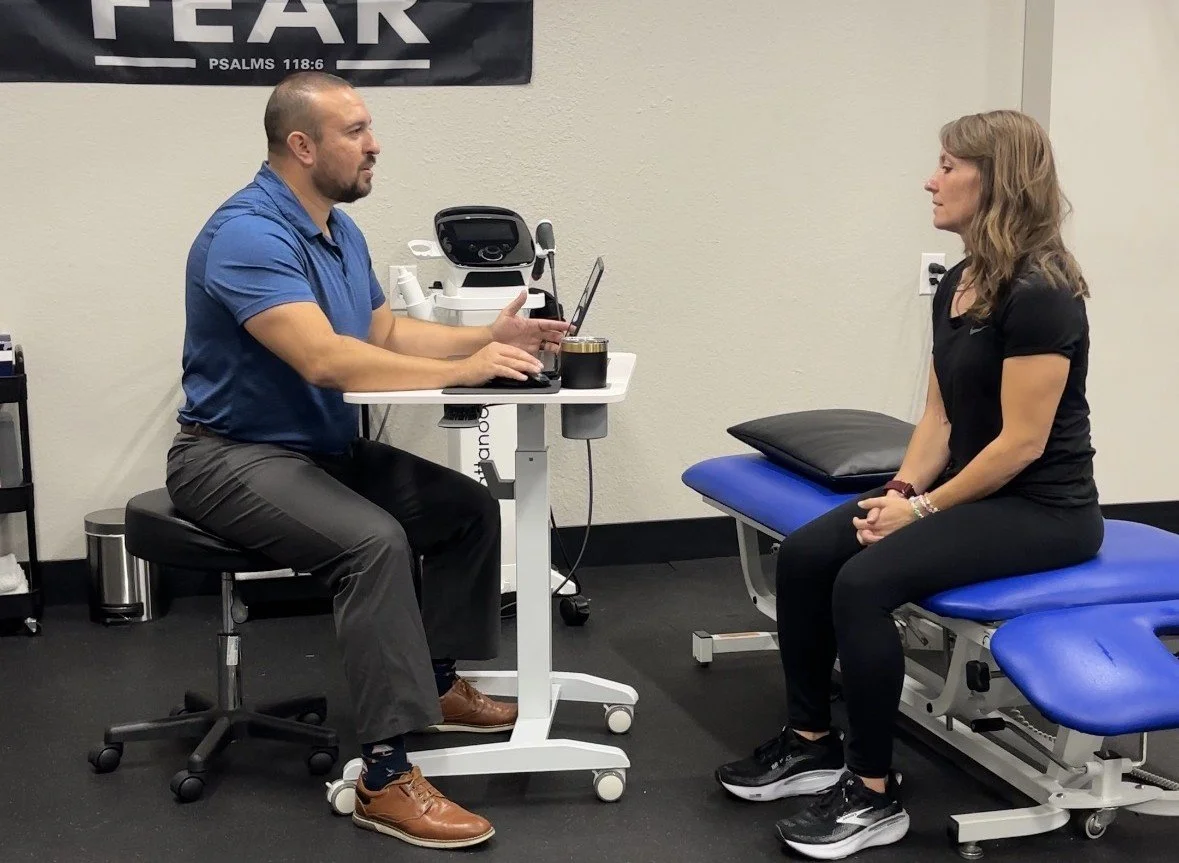
Our comprehensive running assessment evaluates your movement, strength, mobility, training history, and functional capacity to help identify factors contributing to pain or recurring injuries.
We begin by discussing your symptoms, running goals, weekly mileage, training intensity, recent changes in activity, and previous injuries. Understanding your training demands helps us develop a rehabilitation plan that fits your goals.
Running History & Training Analysis
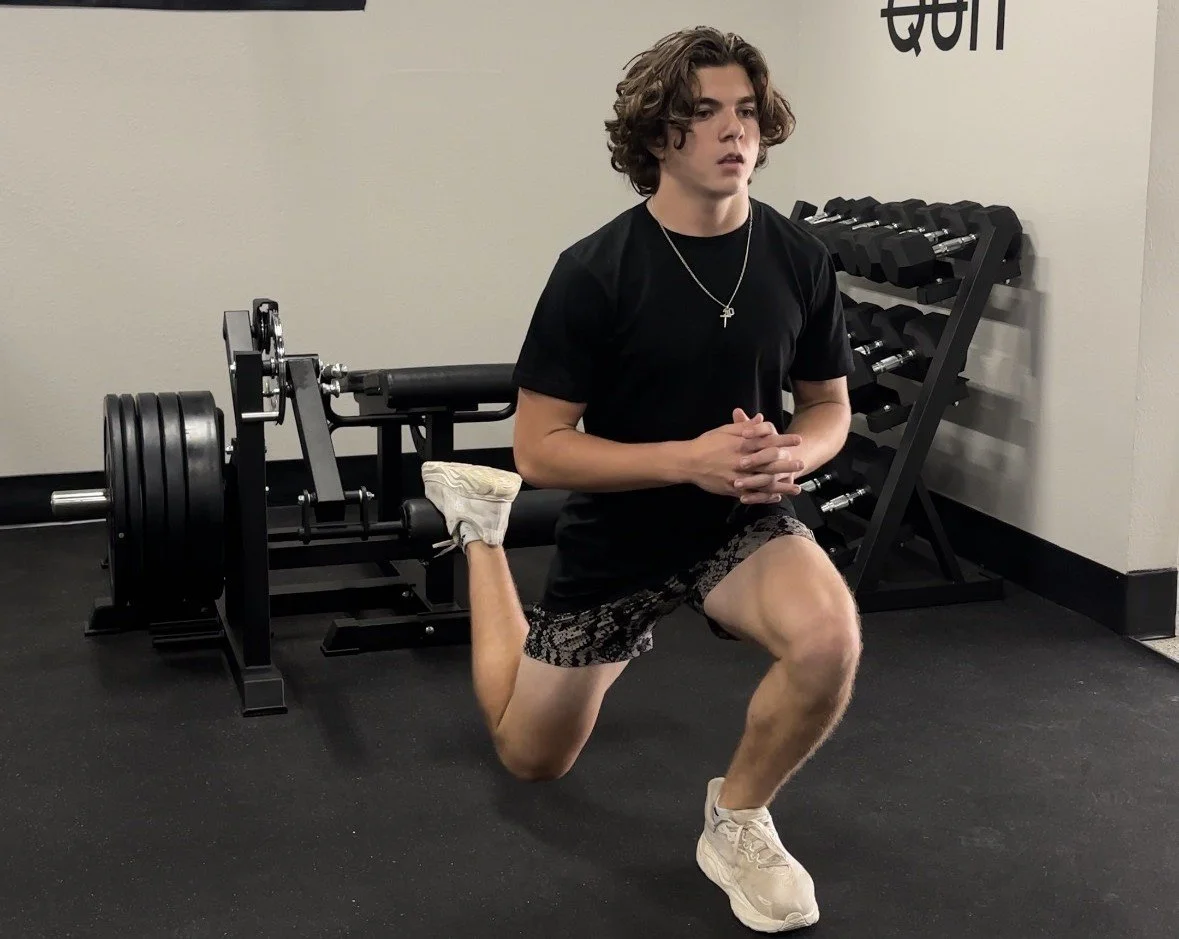
We evaluate relevant joint mobility, muscle strength and symmetry, and lower extremity function. Particular attention may be given to the hips, knees, ankles, and feet to identify limitations that could influence running performance.
Mobility & Strength Assessment
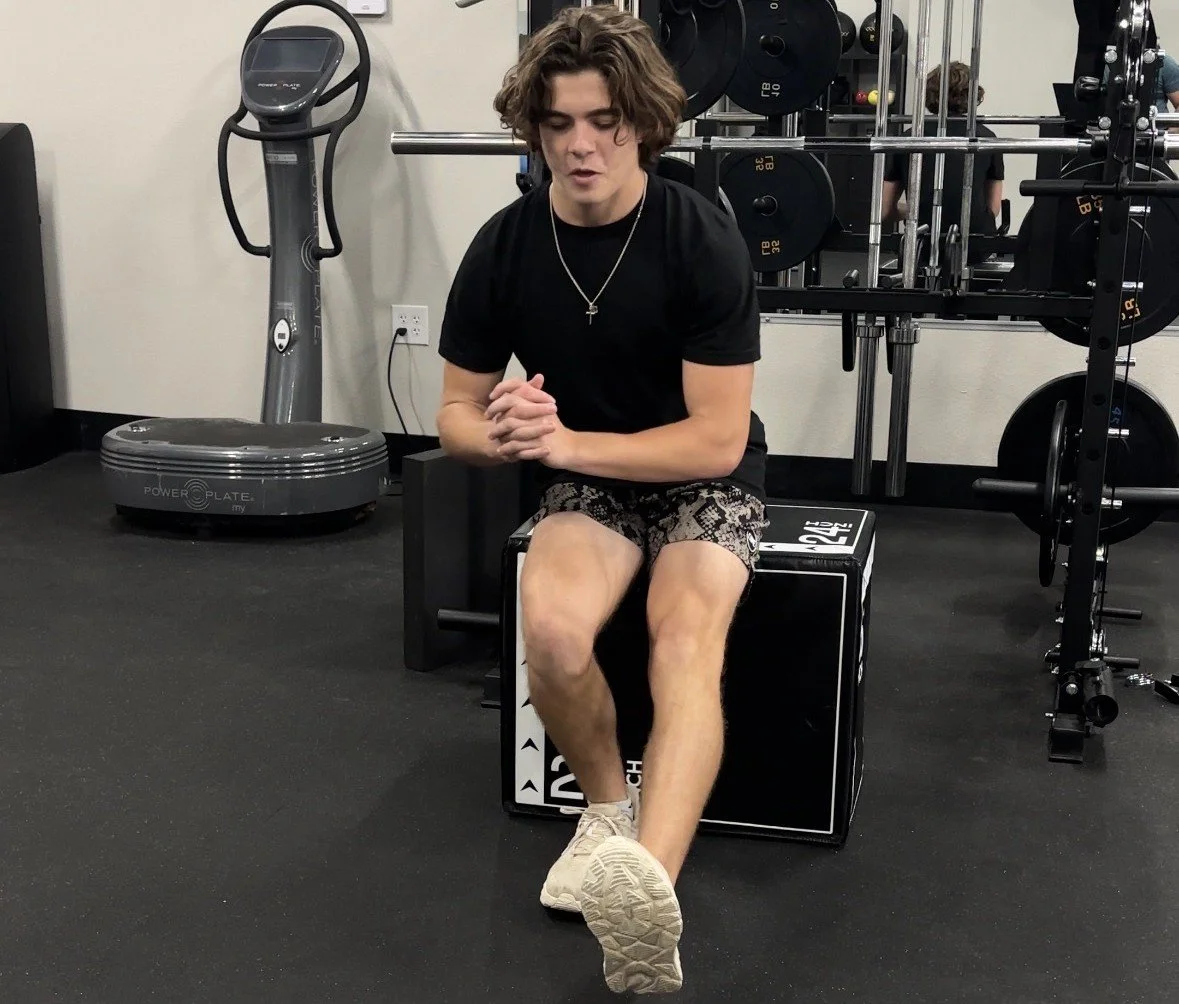
Depending on your symptoms and goals, we may assess single-leg strength, balance, movement control, hopping capacity, and other functional activities relevant to running.
When appropriate, running gait analysis can help us evaluate mechanics and identify potential opportunities for movement retraining.
Running Readiness & Movement Testing
Individualized Rehab Plan
Using the findings from your assessment, we develop a treatment plan that may include manual therapy, progressive strengthening, movement retraining, training-load modifications, and a structured return-to-running progression.
Our goal is to help you build the capacity and confidence needed to return to running while reducing the likelihood of recurring problems.
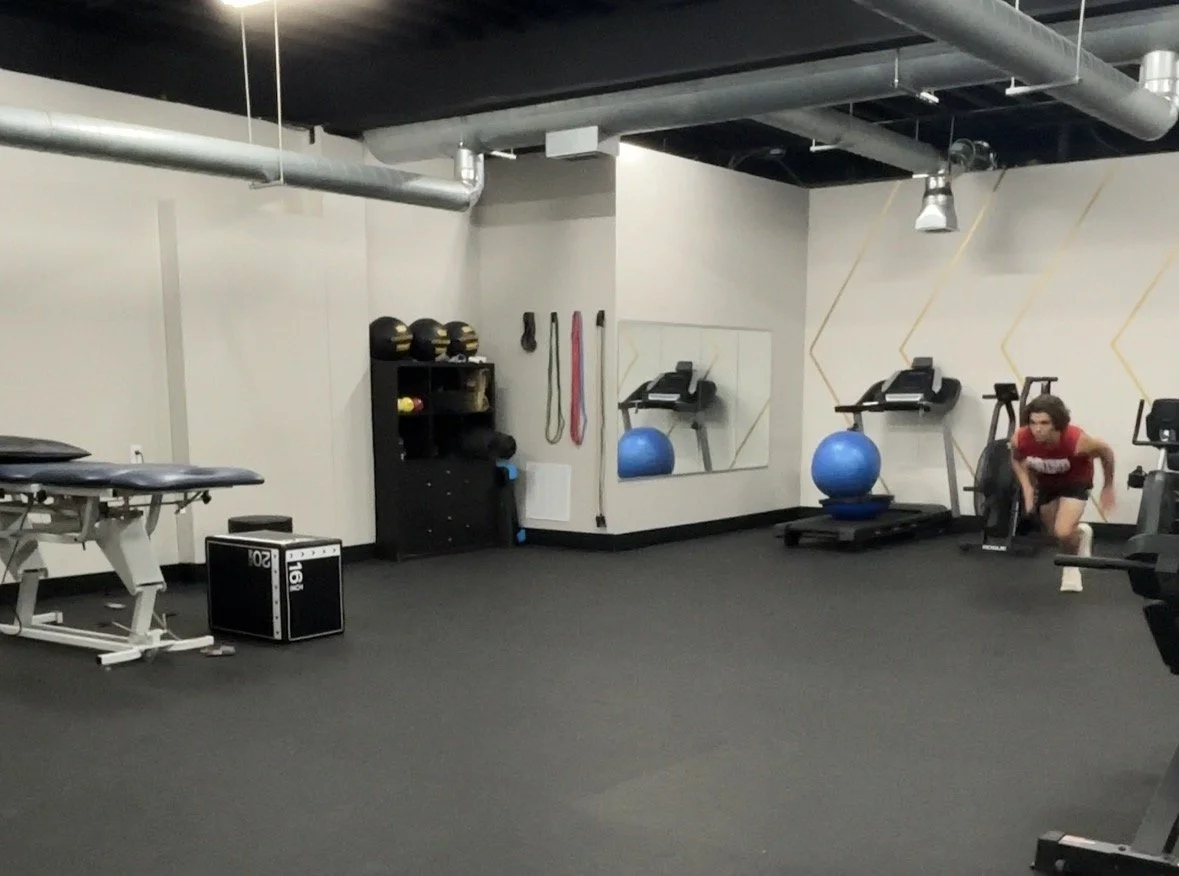
Whether you’re training for your first 5K, preparing for a marathon, or simply wanting to run without recurring pain, True Grit Physical Therapy is here to help. Schedule your running assessment in Abilene, TX, and take the next step toward your running goals.
Ready to Get Back to Running?
Frequently Asked Questions About Running Injuries
-
Yes! Physical therapy can help runners recover from injuries such as shin splints, runner’s knee, Achilles tendinopathy, plantar heel pain, and other running-related conditions. At True Grit Physical Therapy in Abilene, TX, we use individualized assessments, progressive strengthening, and return-to-running strategies to address contributing factors and improve running capacity.
-
Not necessarily. Whether you should continue running depends on your symptoms, suspected injury, and how your body responds to activity. Some runners can continue training with modifications, while others need a temporary break. Persistent, localized bone pain or pain that worsens with impact warrants further evaluation.
-
Our running assessments evaluate factors such as training history, strength, mobility, movement control, and running mechanics when appropriate. We use these findings to develop an individualized treatment plan based on your symptoms and running goals.
-
Recovery time varies depending on the injury, symptom severity, training demands, and individual factors. Some runners improve within several weeks, while tendon conditions and bone stress injuries may require longer rehabilitation. Our goal is to establish a realistic progression based on your response to treatment.
-
Texas allows patients to receive certain physical therapy services without a physician referral, subject to state-law requirements and applicable insurance rules. At True Grit Physical Therapy, we can help determine whether a referral or additional medical evaluation is needed before or during your care.
