


HIP PAIN PHYSICAL THERAPY
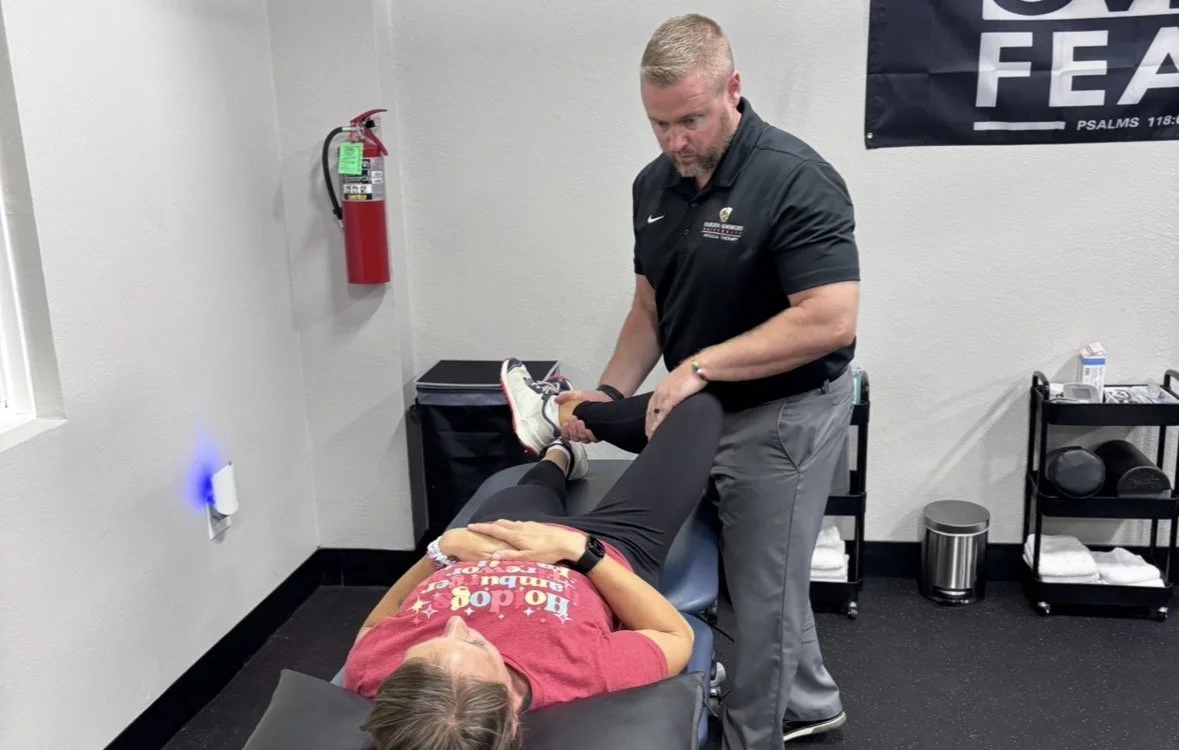
Hip Pain Treatment: Get Back to Moving with Confidence
Hip pain can make everyday activities like walking, exercising, sitting, sleeping, and working uncomfortable. Whether you're experiencing pain in the groin, outside of the hip, buttock, or front of the hip, finding the source of your symptoms is an important first step toward recovery.
At True Grit Physical Therapy in Abilene, TX, we help active adults and athletes overcome hip pain, improve mobility, restore strength, and confidently return to the activities they enjoy. We treat a variety of hip-related conditions, including hip impingement (FAI), hip labral injuries, gluteal tendinopathy, hip osteoarthritis, and muscular strains.
Hip pain doesn't always originate from the hip joint itself. Symptoms may also be influenced by surrounding muscles, tendons, the pelvis, or the lower back. Our comprehensive evaluations focus on identifying potential sources of pain and the factors contributing to your symptoms.
Our one-on-one, 60-minute physical therapy sessions combine individualized assessments, hands-on manual therapy when appropriate, progressive strengthening, and movement retraining. Rather than simply providing temporary symptom relief, our goal is to improve your ability to tolerate activity and help you return to daily life, exercise, and sports with greater confidence.
Common Hip Conditions We Treat
Hip pain can develop from a variety of conditions affecting the joint, muscles, tendons, and surrounding structures. At True Grit Physical Therapy in Abilene, TX, we evaluate the potential sources of your symptoms and develop individualized treatment plans to help improve mobility, strength, and function.
Hip Impingement (Femoroacetabular Impingement - FAI)
Hip impingement occurs when the shape of the femoral head, femoral neck, or hip socket contributes to abnormal contact during certain movements. This may cause pain in the groin or front of the hip, particularly with deep squatting, prolonged sitting, or activities requiring significant hip flexion.
Physical therapy for hip impingement focuses on improving strength, movement control, activity tolerance, and modifying aggravating movements when necessary. Our goal is to help you remain active while managing symptoms and improving hip function.
Hip Labral Tears
The hip labrum is a ring of cartilage that helps support and stabilize the hip joint. Labral injuries may be associated with groin pain, clicking, catching, stiffness, or discomfort during rotational movements.
Not all hip labral tears require surgery. Depending on your symptoms and functional limitations, conservative physical therapy may help restore strength, mobility, and activity tolerance. We develop individualized rehabilitation programs and coordinate additional medical evaluation when indicated.
Hip impingement and labral tears can produce similar symptoms, but they are not the same condition. Learn more in our article: Hip Labral Tear vs. Hip Impingement (FAI): What’s the Difference?
Greater Trochanteric Pain Syndrome (Lateral Hip Pain)
Pain along the outside of the hip may be associated with greater trochanteric pain syndrome, which commonly involves irritation or reduced loading tolerance of the gluteal tendons.
Symptoms may worsen when lying on the affected side, climbing stairs, walking longer distances, or standing on one leg.
Treatment may include progressive hip strengthening, modification of aggravating activities, and strategies to improve tendon loading tolerance.
Hip Osteoarthritis
Hip osteoarthritis can contribute to joint stiffness, reduced mobility, groin pain, and difficulty with activities such as walking, squatting, or getting in and out of a vehicle.
Physical therapy can help individuals with hip osteoarthritis improve strength, maintain mobility, and manage symptoms through individualized exercise, activity modifications, and manual therapy when appropriate.
Hip Flexor Strains and Tendinopathy
Pain in the front of the hip may develop from injuries or irritation involving the hip flexor muscles and tendons. These conditions can affect runners, athletes, and individuals who perform repetitive hip-flexion activities.
Rehabilitation focuses on identifying aggravating activities, restoring strength and mobility, and progressively increasing tolerance to walking, running, and sport-specific movements.
Hip Pain Referred From the Lower Back
Not all hip pain originates from the hip itself. Conditions involving the lumbar spine or surrounding nerves may produce symptoms in the buttock, lateral hip, groin, or thigh.
Our comprehensive physical therapy evaluations assess both the hip and surrounding regions to help distinguish between potential sources of pain and determine the most appropriate treatment approach.
What to Expect During Your Hip Pain Assessment
At True Grit Physical Therapy in Abilene, TX, we believe effective hip pain treatment begins with understanding the source of your symptoms and the factors contributing to your limitations.
Our comprehensive hip assessments go beyond identifying where you hurt. We evaluate how your hip, lower back, pelvis, and surrounding joints work together to develop an individualized rehabilitation plan.
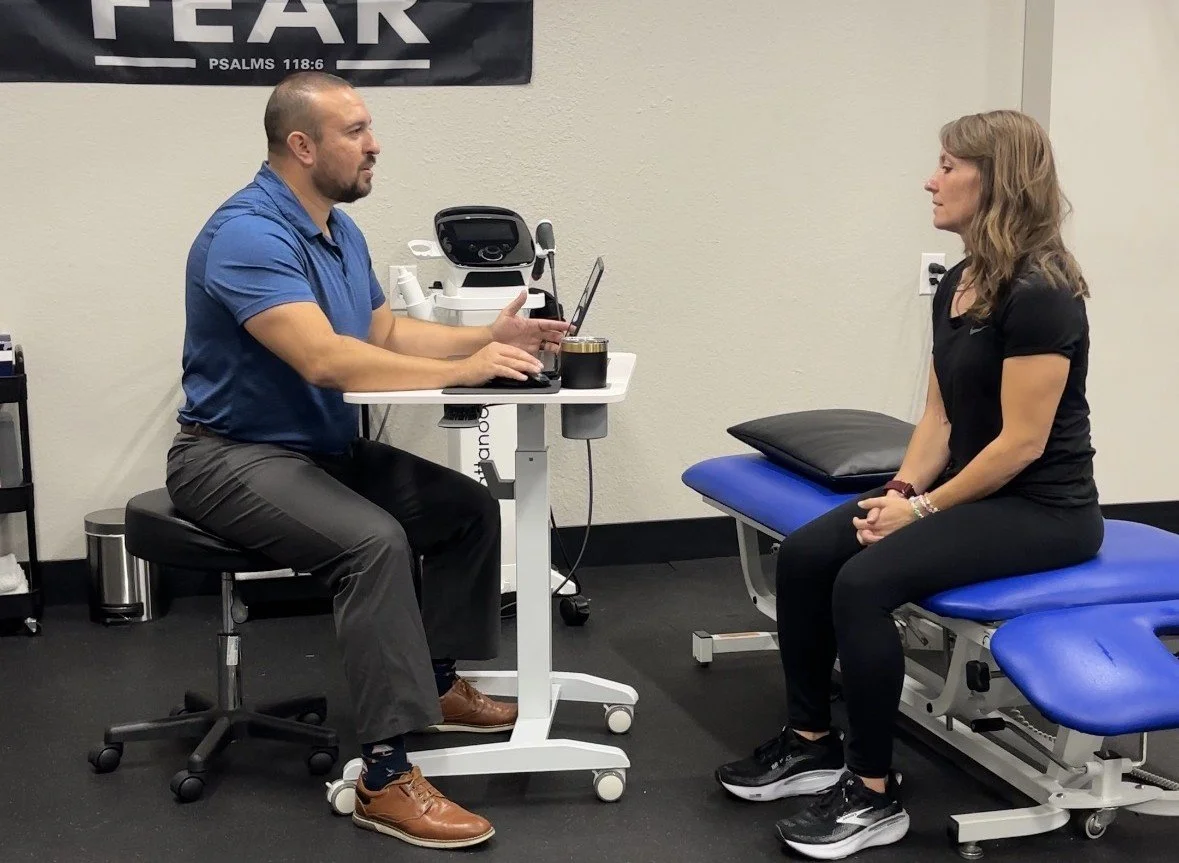
Detailed History & Symptom Assessment
We begin by discussing your symptoms, medical history, previous injuries, activity levels, and functional goals. Understanding when your hip pain occurs—whether during sitting, walking, running, squatting, or sleeping—helps us identify potential sources of discomfort.
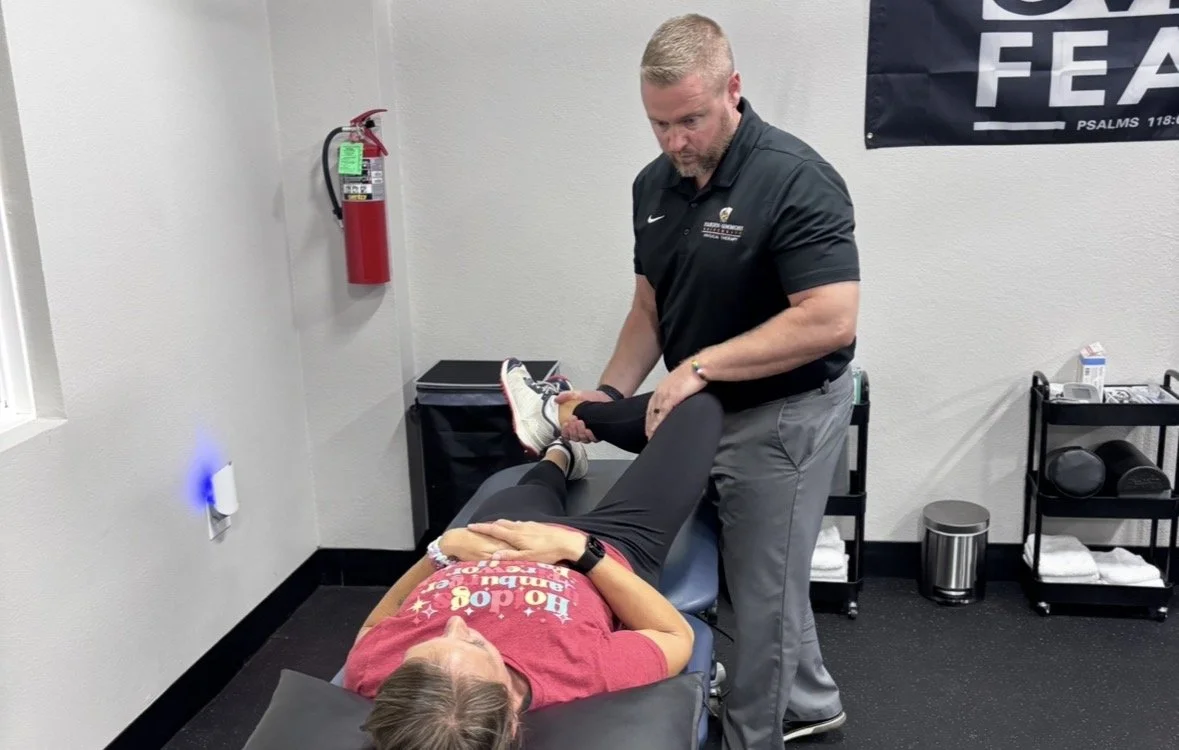
Hip Mobility & Strength Testing
We assess hip mobility, muscle strength, and joint function to identify limitations that may contribute to pain or reduced activity tolerance. We also examine surrounding areas, including the lumbar spine, pelvis, knees, and ankles, when clinically indicated.
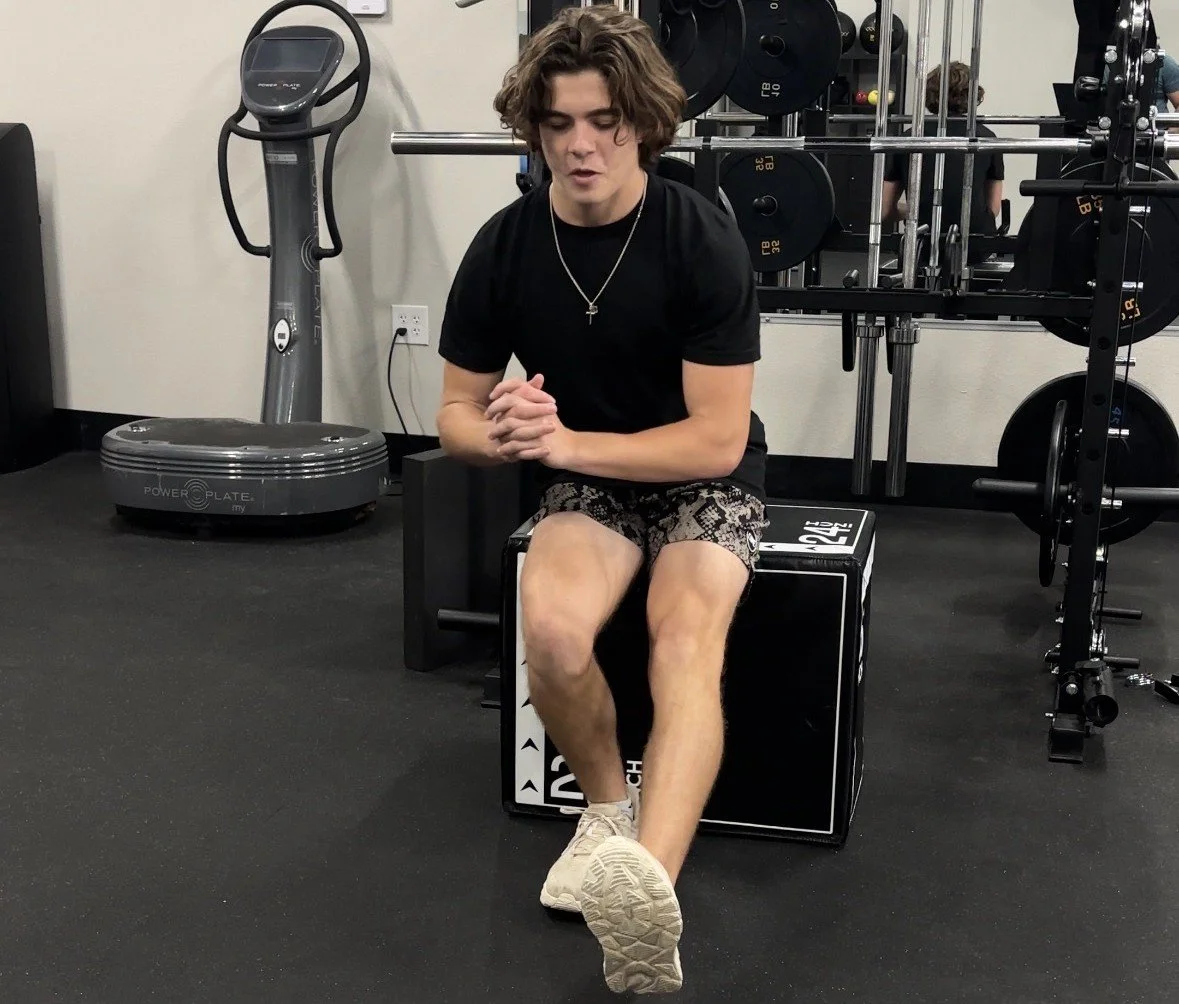
Functional Movement Assessment
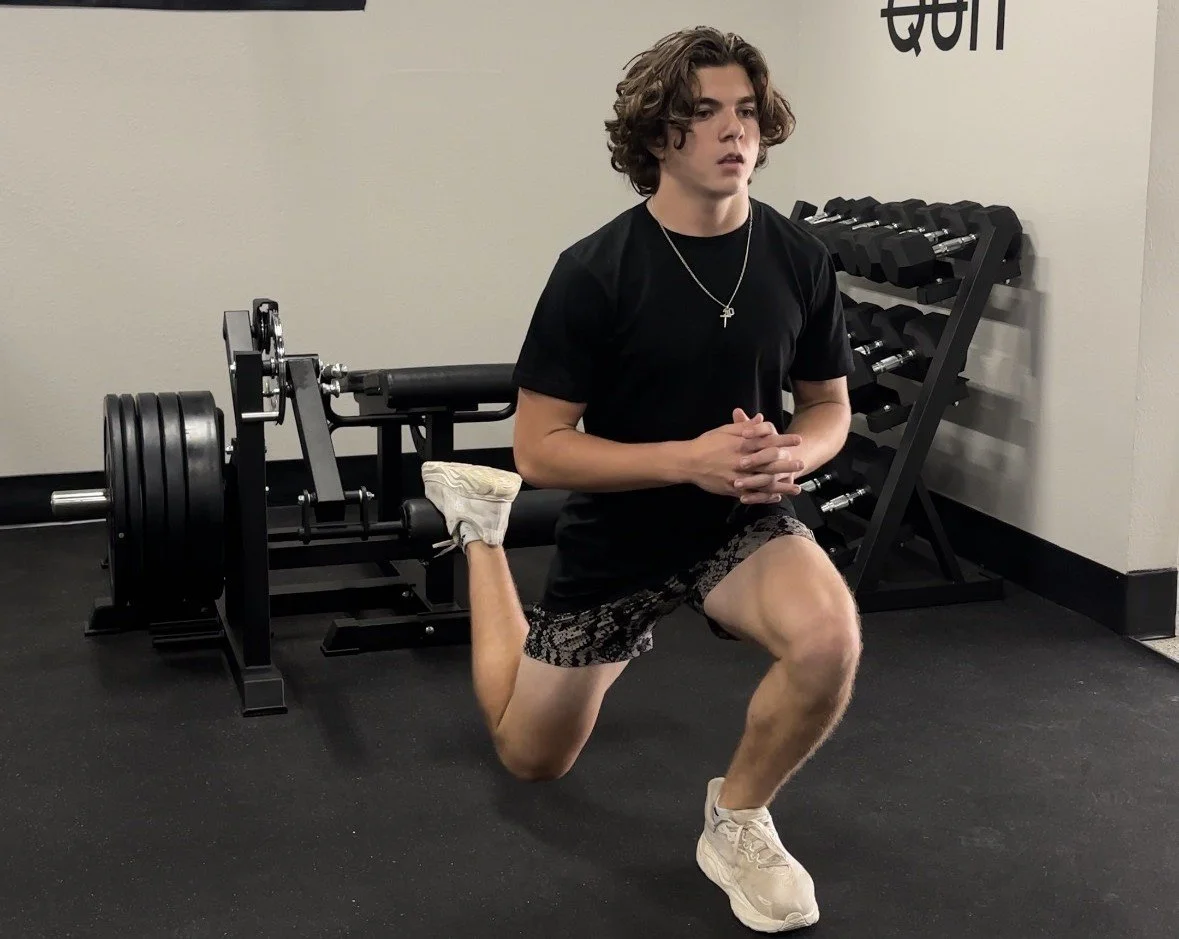
Depending on your symptoms and goals, we may evaluate activities such as squatting, lunging, single-leg balance, walking, running, and sport-specific movements.
These assessments help us understand how your symptoms affect daily activities and identify potential movement or loading limitations.
Individualized Treatment & Rehab Plan
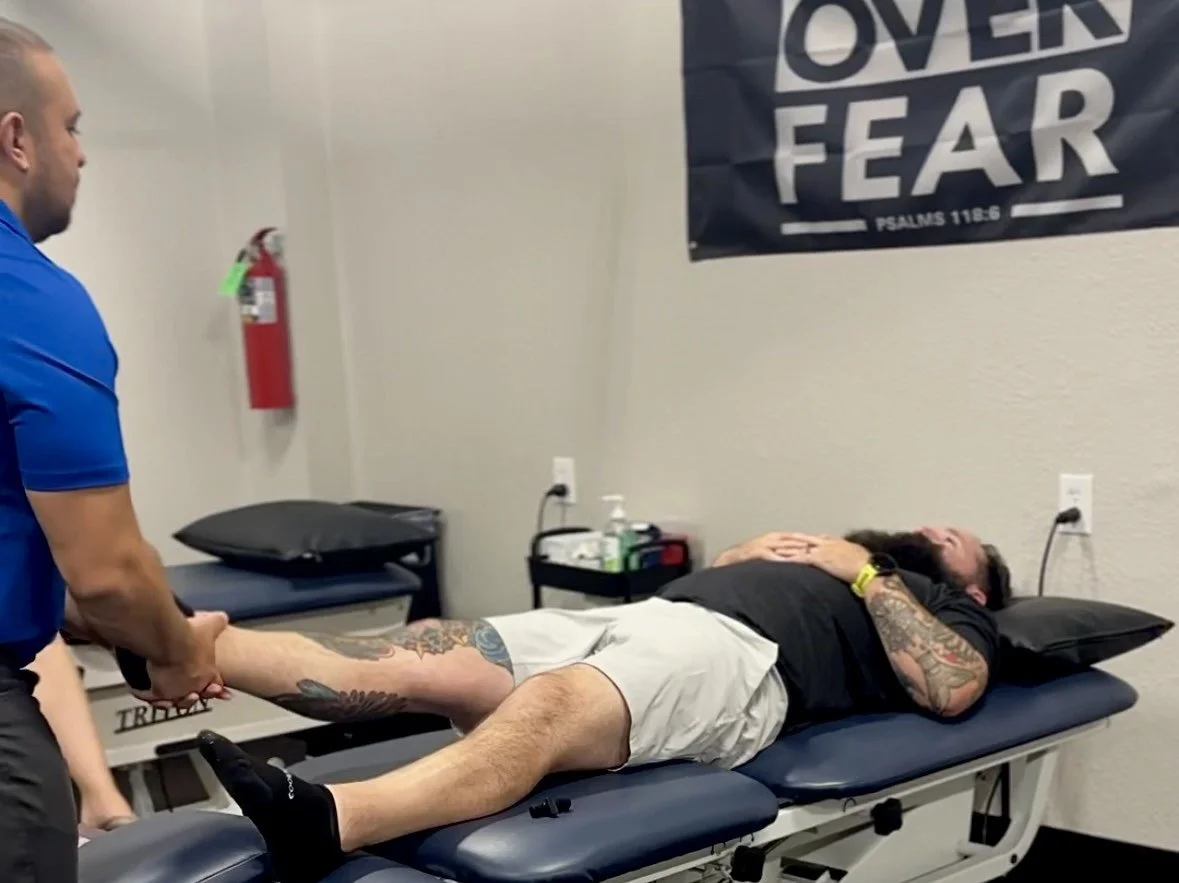
Based on your evaluation findings, we develop a personalized treatment plan that may include manual therapy, joint mobilization, progressive strengthening, movement retraining, and activity modifications.
Our one-on-one, 60-minute physical therapy sessions allow us to focus on your specific needs, monitor your progress, and adjust your rehabilitation program as you improve.
Return to Activity & Long-Term Management
Our goal extends beyond temporary symptom relief. We help you build the strength, mobility, and confidence needed to return to work, exercise, sports, and daily activities.
Whether you're recovering from a hip injury, managing chronic hip pain, or trying to avoid recurring symptoms, we work with you to establish a realistic plan for long-term success.
Frequently Asked Questions About Hip Pain
-
Hip pain while sitting may be associated with hip impingement, labral injuries, hip flexor-related conditions, osteoarthritis, or symptoms referred from the lower back. The location of your pain, aggravating positions, and associated symptoms can help identify possible causes. A comprehensive physical therapy evaluation can help determine which structures may be contributing to your discomfort.
-
Yes! Some individuals with symptomatic hip labral tears can improve with conservative physical therapy without requiring surgery. Treatment may include progressive strengthening, movement modifications, improving hip function, and gradually returning to desired activities. The most appropriate approach depends on your symptoms, functional limitations, and individual clinical findings.
-
Hip impingement, also called femoroacetabular impingement (FAI), involves hip joint morphology that may cause abnormal contact during certain movements. A hip labral tear involves damage to the cartilage ring surrounding the hip socket. These conditions can occur together and may produce similar symptoms, including groin pain, stiffness, clicking, or discomfort with deep hip flexion.
-
Yes! Physical therapy is commonly recommended as part of conservative management for hip osteoarthritis. Individualized strengthening, mobility exercises, activity modification, and education can help improve physical function and manage symptoms. Treatment is tailored to your symptoms, mobility limitations, and personal goals.
-
Recovery time depends on the underlying condition, symptom severity, duration of symptoms, and activity goals. Some individuals notice improvement within several weeks, while more persistent hip conditions may require longer rehabilitation. Your physical therapist will establish an individualized plan and monitor your response throughout treatment.
-
Not always. Many hip conditions can initially be evaluated through a detailed history and physical examination. Imaging may be appropriate when there is concern for certain injuries, persistent unexplained symptoms, or other clinical findings that warrant further investigation. Your physical therapist can help determine when additional medical evaluation may be necessary.
-
True Grit Physical Therapy in Abilene, TX provides individualized hip pain rehabilitation for active adults and athletes. Our one-on-one, 60-minute sessions focus on identifying contributing factors, restoring strength and mobility, and helping patients return to their desired activities.
