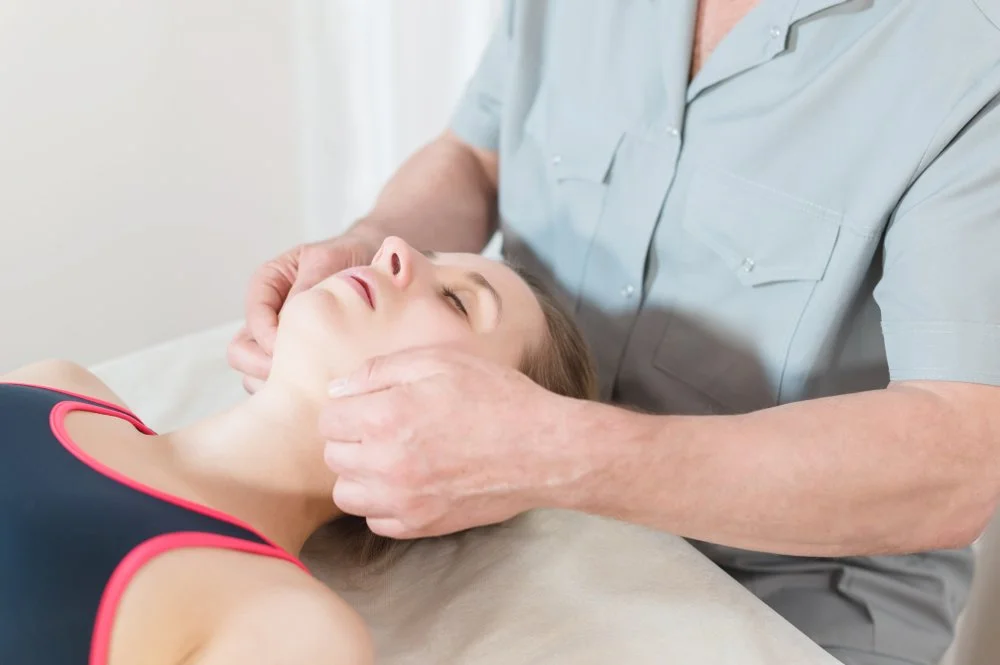
NECK PAIN RESOURCES
Neck pain is one of the most common musculoskeletal conditions, affecting people of all ages and activity levels. Whether your symptoms developed from poor posture, prolonged desk work, an injury, arthritis, headaches, or muscle strain, understanding the underlying cause of your neck pain is an important step toward finding lasting relief. This resource center is designed to help you learn more about the common causes of neck pain, how physical therapy can help reduce pain and restore mobility, and what to expect throughout the recovery process. Explore our educational articles, answers to frequently asked questions, and evidence-based resources created by the team at True Grit Physical Therapy to better understand your symptoms, improve movement, and return to the activities you enjoy with greater comfort and confidence.
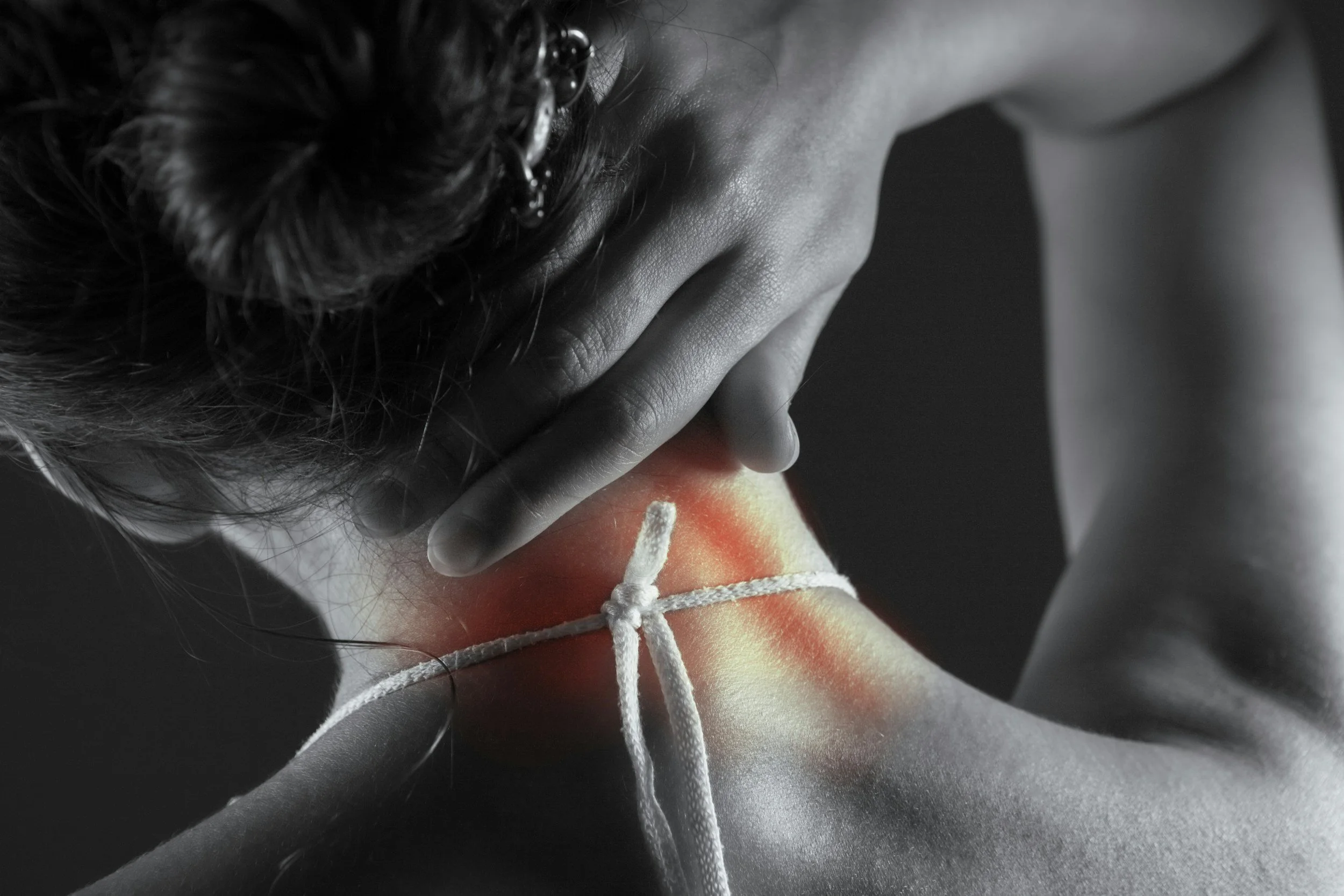
Frequently Asked Questions About Neck Pain
-
Neck pain can develop for many reasons, including muscle strain, poor posture, prolonged computer or phone use, arthritis, disc injuries, whiplash, pinched nerves, or repetitive movements. In some cases, neck pain may also be associated with headaches or pain that radiates into the shoulders and arms. A physical therapist can evaluate your symptoms to identify the underlying cause and create a treatment plan tailored to your needs.
-
You should consider seeing a physical therapist if your neck pain lasts longer than a few days, keeps returning, limits your ability to work or perform daily activities, or is accompanied by stiffness, headaches, or pain traveling into your shoulder or arm. Early treatment can often help reduce pain, improve mobility, and prevent the condition from becoming chronic.
-
Yes. Physical therapy is an evidence-based treatment for many causes of neck pain. Depending on your condition, treatment may include manual therapy, targeted exercises, posture education, mobility training, strengthening, dry needling, and strategies to reduce strain during daily activities. The goal is not only to relieve symptoms but also to address the underlying cause and reduce the risk of future flare-ups.
-
Yes. Neck problems can contribute to headaches, particularly cervicogenic headaches and some tension headaches. Pain, stiffness, or joint dysfunction in the neck can refer pain into the head, often causing discomfort that begins near the base of the skull and spreads toward the forehead or behind the eyes. A thorough evaluation can help determine whether your headaches are related to your neck.
-
For most people, sleeping on the back or side while keeping the neck in a neutral position is the most comfortable option. Using a supportive pillow that maintains proper alignment between your head and spine may help reduce strain overnight. Sleeping on your stomach often places the neck in a rotated position for extended periods and may contribute to pain or stiffness.
-
Maintaining good posture, positioning your monitor at eye level, keeping your shoulders relaxed, and taking movement breaks every 30 to 60 minutes can help reduce stress on the neck. Strengthening the muscles that support your neck and upper back and improving workstation ergonomics are also important for preventing recurring neck pain.
-
A pinched nerve in the neck may cause pain that radiates into the shoulder, arm, or hand along with numbness, tingling, weakness, or changes in sensation. While many cases improve with conservative treatment such as physical therapy, persistent or worsening neurological symptoms should be evaluated by a healthcare provider.
-
Most neck pain improves with conservative treatment, but certain symptoms require immediate medical attention. Seek emergency care if neck pain occurs after significant trauma or is accompanied by severe weakness, loss of bowel or bladder control, difficulty walking, fever, unexplained weight loss, or sudden numbness affecting multiple areas of the body. These symptoms may indicate a more serious underlying condition.
LATEST NECK PAIN ARTICLES
-
Can TMJ Dysfunction Cause Headaches?
TMJ dysfunction can contribute to headaches, facial pain, and discomfort around the temples, forehead, and neck. Learn the connection between temporomandibular disorders (TMD) and headaches, and how physical therapy can help treat the underlying cause.
-
TMJ Dysfunction: Is Your Jaw Really the Problem?
TMJ dysfunction is not always caused by a problem within the jaw joint itself. Learn how a comprehensive physical therapy evaluation can identify the true source of your symptoms and guide effective treatment.

-
Why Does My Jaw Click or Pop?
A clicking or popping jaw is common and does not always mean something is wrong. Learn what causes jaw clicking, when it may be sign of TMJ dysfunction, and how physical therapy can help address underlying movement issues.