

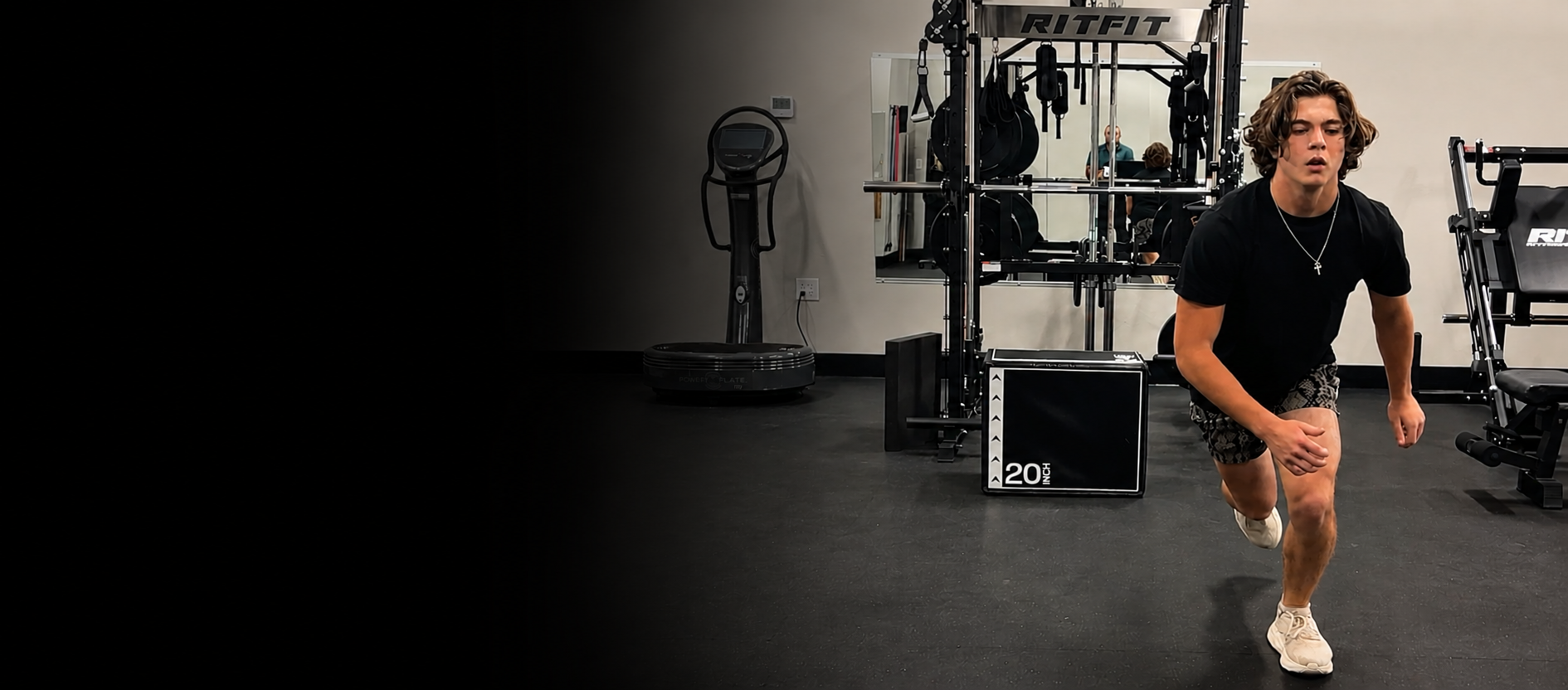
SPORTS PHYSICAL THERAPY
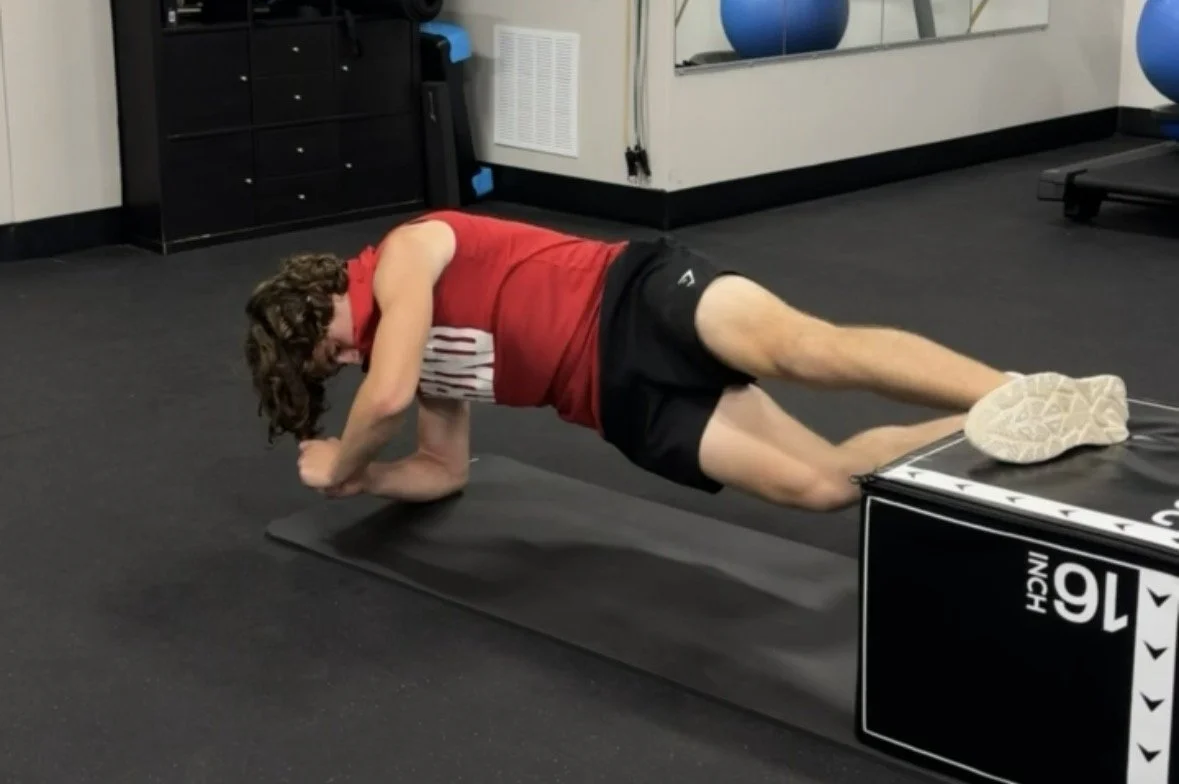
Sports Injury Rehabilitation: Recover Stronger, Return With Confidence
Whether you're recovering from a sports injury, dealing with recurring pain during training, or struggling to return to your previous level of performance, the right rehabilitation program can make a meaningful difference. At True Grit Physical Therapy in Abilene, TX, we help athletes and active adults recover from injuries, rebuild strength, and confidently return to the sports and activities they enjoy.
Sports rehabilitation involves more than simply reducing pain. Every sport places unique demands on the body, from sprinting and cutting in football and soccer to overhead movements in baseball, volleyball, and weightlifting. Successful rehabilitation requires understanding these demands and progressively preparing your body to tolerate them.
Our approach combines comprehensive movement assessments, expert-level manual therapy, progressive strengthening, plyometrics, agility training, and sport-specific rehabilitation when appropriate. We assess strength, mobility, movement control, and functional capacity to identify limitations that may be affecting your recovery and athletic performance.
At True Grit Physical Therapy, every appointment is a one-on-one, 60-minute session with your physical therapist. No double booking, no technicians, and no cookie-cutter rehabilitation programs. Whether you're a competitive athlete, recreational runner, weekend warrior, or active adult, we develop a treatment plan around your injury, activity demands, and personal goals.
Our goal is simple: help you move better, build confidence in your body, and return to training and competition with the physical capacity needed for your sport.
Common Sports Injuries We Treat
Athletes and active adults place unique demands on their bodies through running, jumping, cutting, lifting, and repetitive training. At True Grit Physical Therapy in Abilene, TX, we provide individualized sports injury rehabilitation designed to restore strength, improve movement, and help patients return to their activities with confidence.
ACL Injuries and Knee Rehabilitation
ACL injuries, meniscus tears, patellar tendinopathy, and other knee conditions can significantly affect athletic performance. Our sports physical therapy programs emphasize progressive strengthening, neuromuscular control, plyometrics, and objective return-to-sport testing to help athletes safely progress toward competition.
Ankle Sprains and Foot Injuries
Ankle sprains, Achilles tendinopathy, plantar fasciopathy, and other foot and ankle injuries can interfere with running, jumping, and cutting movements. Rehabilitation focuses on restoring mobility, improving strength and balance, rebuilding impact tolerance, and preparing athletes for sport-specific demands.
Muscle Strains and Tendon Injuries
Hamstring strains, quadriceps injuries, calf strains, and other muscle or tendon conditions require appropriate loading and progressive rehabilitation. We focus on restoring tissue capacity, strength, and functional performance while gradually reintroducing sprinting, jumping, and higher-intensity activity.
Shoulder and Upper Extremity Sports Injuries
Overhead athletes, weightlifters, and contact-sport participants may experience rotator cuff injuries, shoulder instability, labral injuries, or other upper extremity conditions. Our rehabilitation programs address shoulder strength, mobility, dynamic stability, and sport-specific movement demands. Learn more about our individualized shoulder physical therapy.
Running Injuries and Overuse Conditions
Shin splints, runner's knee, iliotibial band-related pain, Achilles tendinopathy, and other running injuries can develop when training demands exceed an athlete's current capacity. We assess strength, mobility, running mechanics when appropriate, and training history to guide progressive rehabilitation and return-to-running programs. Learn more about our running rehab.
Hip and Groin Injuries
Hip flexor strains, adductor injuries, gluteal tendinopathy, and other hip-related conditions can affect sprinting, cutting, squatting, and rotational movements. Treatment emphasizes progressive strengthening, movement tolerance, and sport-specific loading to help athletes return to their desired activities. Explore our hip physical therapy services for more information.
Post-Surgical Sports Rehabilitation
Following procedures such as ACL reconstruction, meniscus repair, shoulder stabilization, or other orthopedic surgeries, rehabilitation is essential for restoring strength and function. We use progressive, criteria-based treatment while respecting surgical precautions and healing timelines to prepare athletes for a safe return to sport.
What to Expect During Your Sports Rehabilitation
At True Grit Physical Therapy in Abilene, TX, we believe successful sports rehabilitation requires more than simply eliminating pain. Our approach focuses on identifying the factors contributing to your injury, restoring physical capacity, and preparing your body for the demands of your sport.
Comprehensive Sports Injury Evaluation
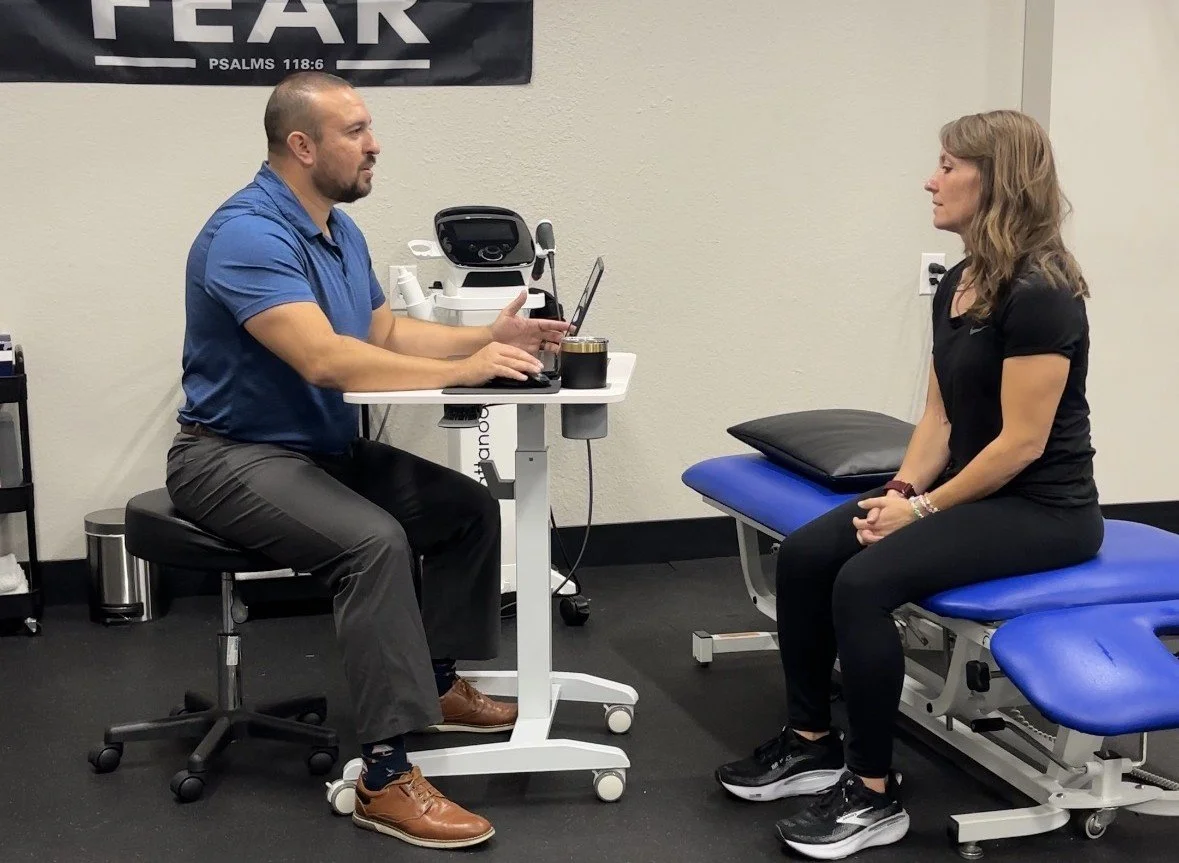
Your initial evaluation begins with a discussion of your injury history, symptoms, training demands, and athletic goals. We assess mobility, strength, joint function, and movement patterns to identify limitations that may be affecting your performance or recovery.
Individualized Rehabilitation Planning
Every athlete has different physical demands and recovery goals. Based on your evaluation findings, we develop a personalized treatment plan that may incorporate manual therapy, mobility exercises, progressive strengthening, and movement retraining to address your specific needs.
Progressive Strength and Movement Development
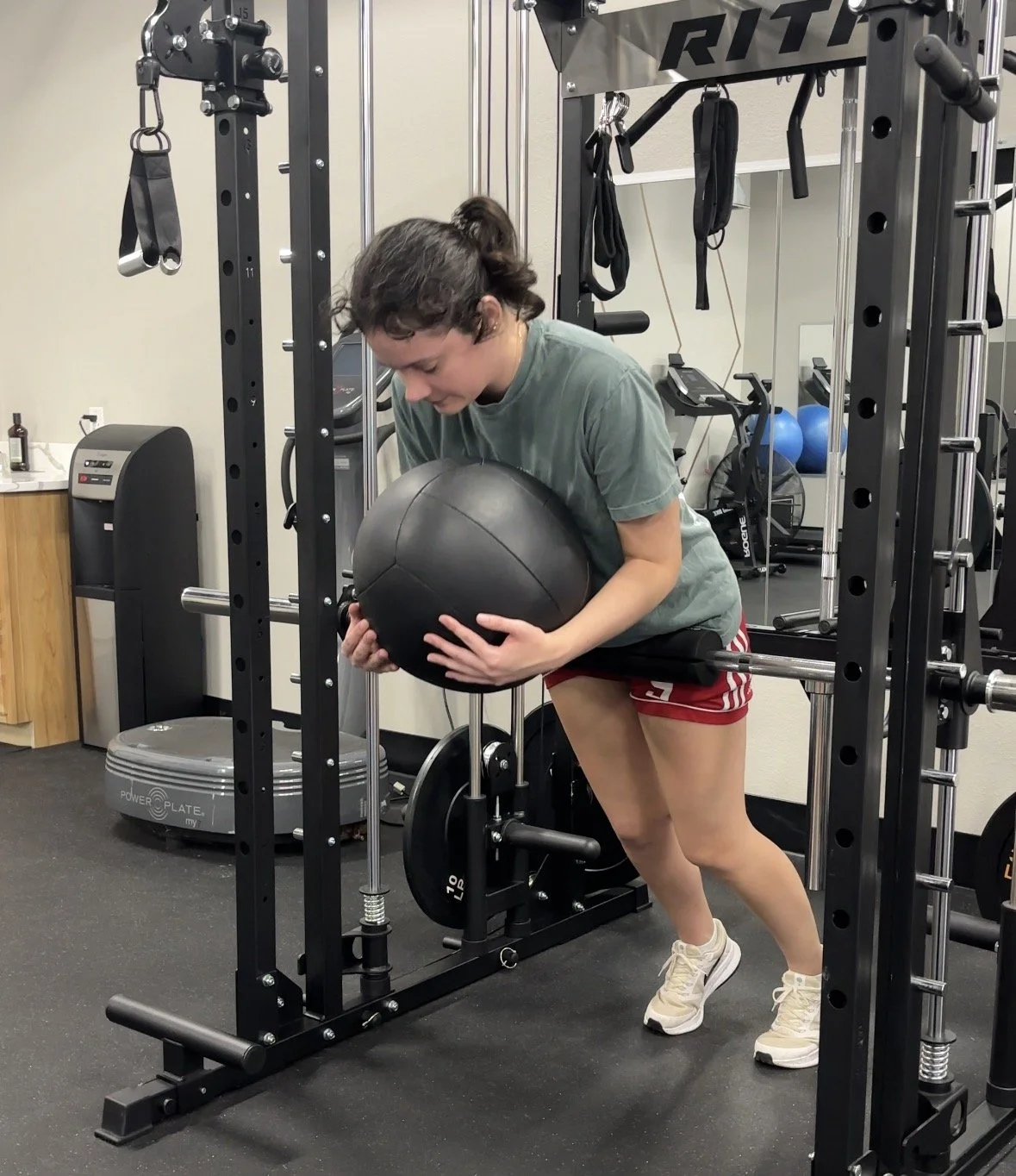
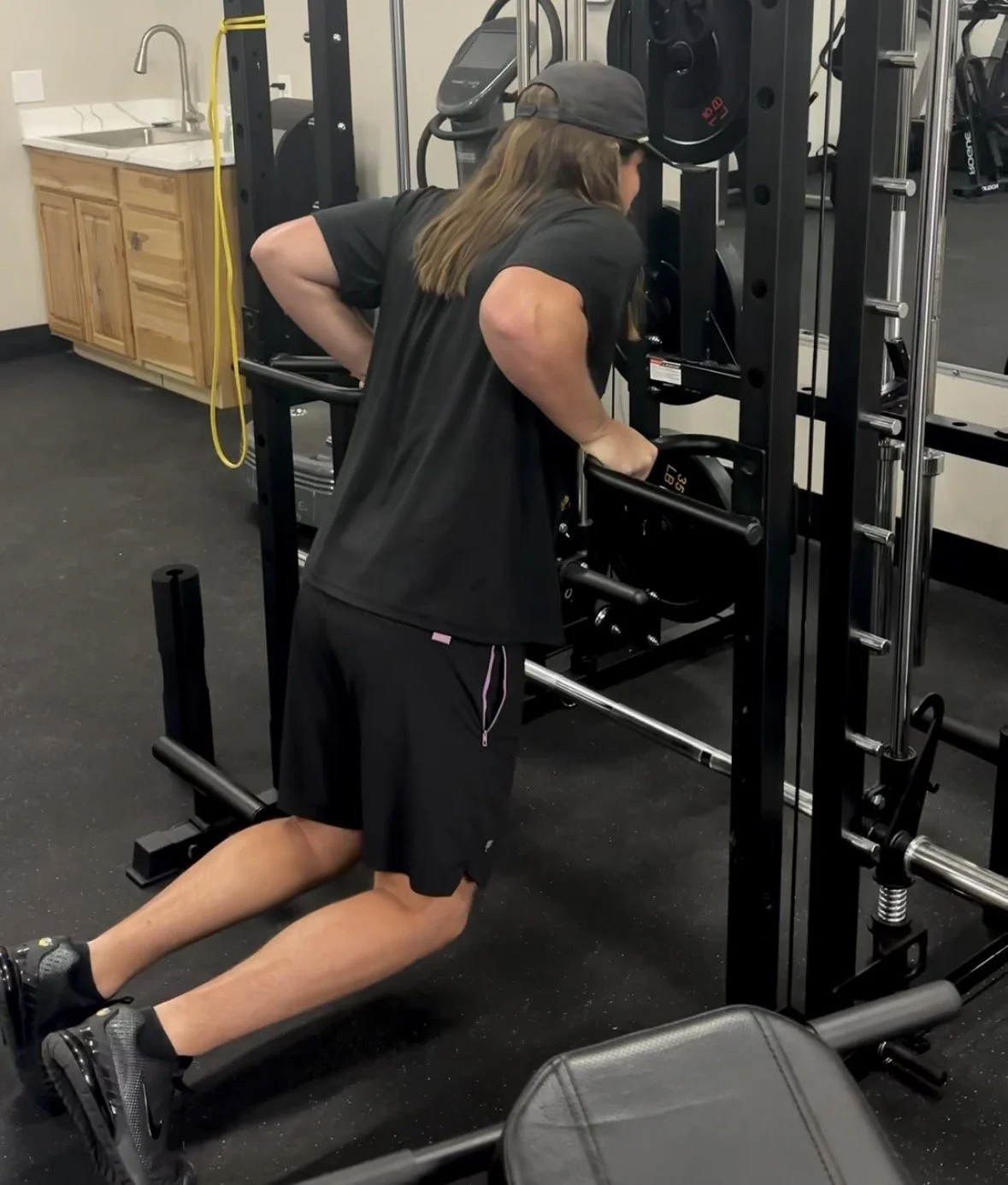
As symptoms improve and tissue tolerance increases, rehabilitation progresses toward restoring strength, endurance, power, and movement control. We use progressive resistance training and functional exercises to prepare your body for higher-level athletic activity.
Plyometrics, Agility, and Sport-Specific Training
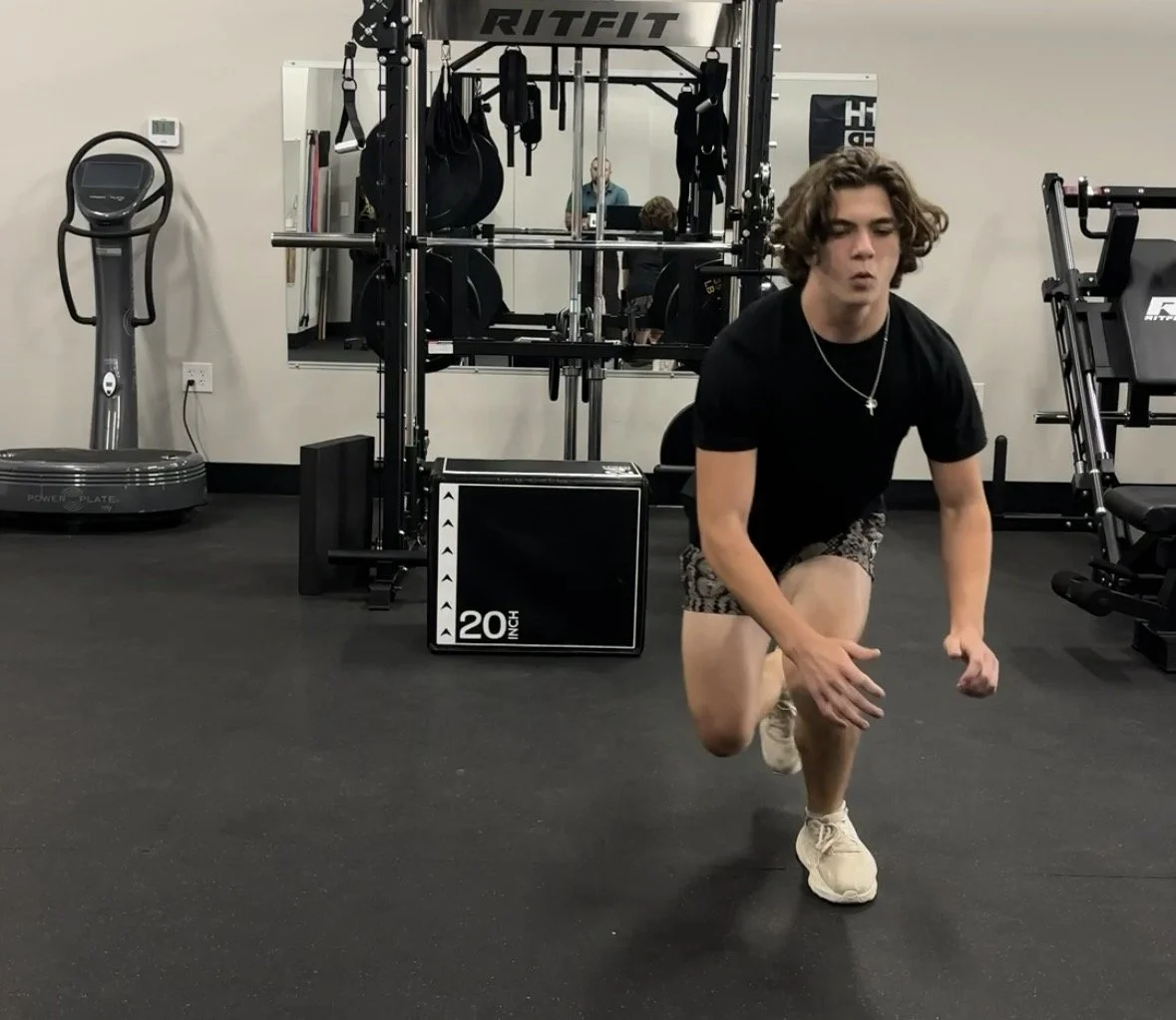
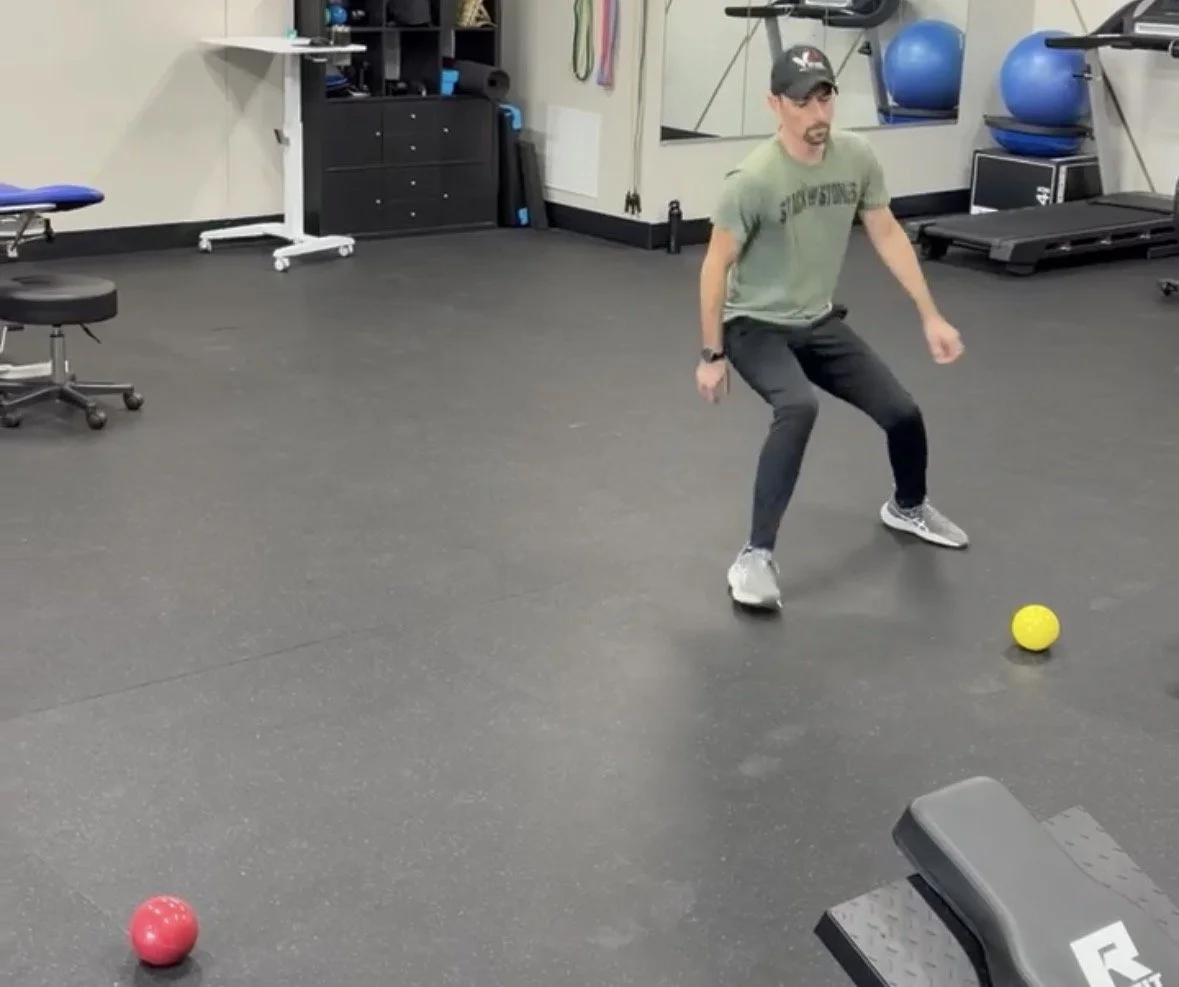
Returning to sport requires the ability to tolerate impact, produce force, change direction, and respond to unpredictable movements. When appropriate, we incorporate plyometric exercises, acceleration and deceleration drills, agility training, and sport-specific activities that reflect the demands of your sport.
Objective Return-to-Sport Testing
Before returning to unrestricted athletic participation, we assess relevant measures such as strength, functional performance, hop testing, movement quality, and sport-specific capacity. These findings, combined with symptoms, injury-specific considerations, and psychological readiness, help guide return-to-sport decisions.
Long-Term Performance and Injury Risk Reduction
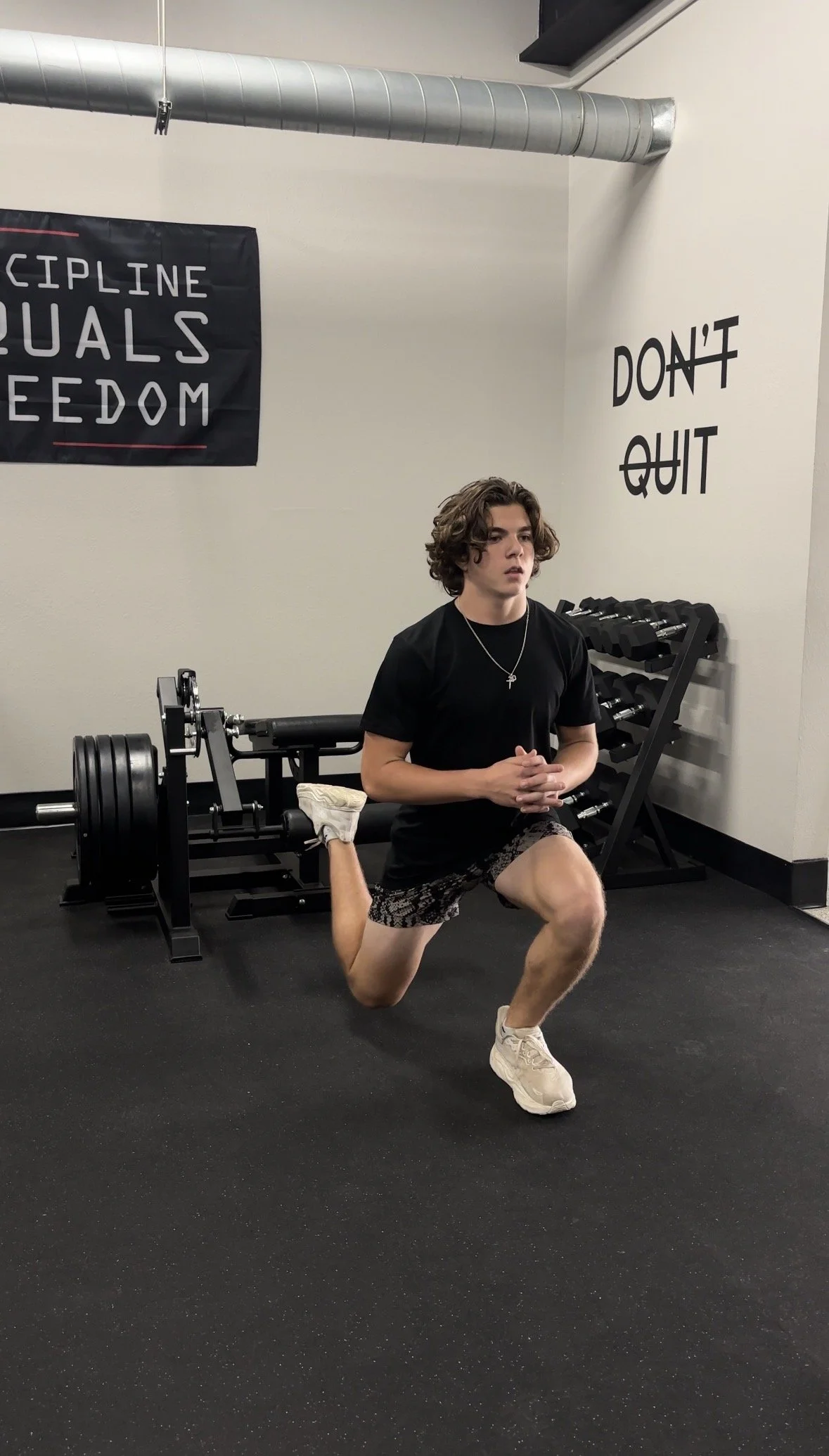
Our goal extends beyond helping you return to competition. We provide individualized recommendations for strength training, workload management, and ongoing exercise to support long-term athletic performance and help reduce the risk of future injuries.
Frequently Asked Questions About Sports Physical Therapy in Abilene, TX
-
Sports physical therapy focuses on evaluating and treating injuries related to athletic participation, exercise, and physical activity. Treatment may include progressive strengthening, mobility exercises, neuromuscular training, plyometrics, and sport-specific rehabilitation to help individuals return to their desired activities.
-
The appropriate timing depends on the type and severity of your injury. Many sports injuries benefit from early evaluation and appropriately modified activity. However, suspected fractures, significant ligament injuries, dislocations, or other serious conditions may require medical assessment before beginning rehabilitation.
-
Some sports injuries, including certain meniscus tears, ligament injuries, tendinopathies, and muscle strains, may respond well to conservative rehabilitation. Whether surgery is necessary depends on the diagnosis, injury severity, symptoms, functional limitations, and individual goals.
-
Return-to-sport readiness involves more than being pain-free. Depending on the injury, your physical therapist may assess strength, range of motion, functional performance, hop testing, agility, sport-specific movements, and psychological readiness. Return-to-sport decisions should also consider medical recommendations and the demands of your sport.
-
Return-to-sport testing uses objective measures to evaluate whether an athlete has regained sufficient strength, movement capacity, and functional performance for athletic participation. Testing may include strength assessments, hop tests, balance testing, plyometrics, and sport-specific movement tasks.
-
Sports rehabilitation can address modifiable factors such as strength deficits, workload progression, and sport-specific physical capacity. Structured injury prevention programs can reduce the risk of certain injuries, although no program can eliminate injury risk entirely.
-
Not always. Many musculoskeletal injuries can be initially evaluated through a detailed history and physical examination. Imaging may be recommended when findings suggest a fracture, significant structural injury, or another condition requiring additional medical evaluation.
-
Yes. Physical therapy and performance-oriented services may help active individuals identify physical limitations, develop strength and mobility, and prepare for athletic demands. The appropriate service and payment arrangement depend on whether care is medically necessary rehabilitation or elective performance training.
-
True Grit Physical Therapy provides individualized sports injury rehabilitation in Abilene, TX. Our one-on-one treatment approach emphasizes comprehensive assessment, progressive strengthening, sport-specific rehabilitation, and objective return-to-sport testing to help athletes and active adults return to the activities they enjoy.
