TMJ RESOURCES
TMJ pain can make everyday activities like chewing, speaking, yawning, or opening your mouth uncomfortable. Symptoms may include pain in the jaw joint or chewing muscles, stiffness, limited movement, locking, or painful clicking and popping. Because jaw pain can have several possible causes, understanding your symptoms is an important first step toward finding the right care.
This resource center is designed to help you learn more about temporomandibular disorders (TMD), how physical therapy may help manage discomfort and improve jaw movement, and what to expect during treatment. Explore educational articles, frequently asked questions asked questions, and evidence-based resources from True Grit Physical Therapy to better understand your symptoms and confidently move forward with care.

Frequently Asked Questions About TMJ
-
Common symptoms include pain in the jaw joint or chewing muscles, jaw stiffness, limited movement, locking, and painful clicking or popping. Some people also experience discomfort that spreads into the face or neck.
-
Consider scheduling an evaluation if jaw pain, stiffness, or limited movement makes it difficult to chew, speak, yawn, or complete normal daily activities. A dentist or doctor may also need to rule out other causes of facial or jaw pain.
-
Physical therapy may help manage discomfort, improve jaw movement, and restore function. Treatment can include hands-on therapy, guided exercises, education, and strategies for reducing habits that may aggravate symptoms.
-
The right exercises depend on the cause and severity of your symptoms. A physical therapist may recommend gentle jaw-control exercises, mobility work, strengthening, and exercises for the neck and surrounding muscles. Avoid forcing painful movements without professional guidance.
-
Many TMJ symptoms are temporary and may improve with simple, conservative care. If your symptoms persist, return frequently, or become worse, a professional evaluation can help determine the appropriate next steps.
-
Clicking or popping without pain is common and does not always require treatment. However, sounds accompanied by pain, locking, stiffness, or limited jaw movement should be evaluated by a qualified healthcare professional.
-
The exact cause is not always clear. An injury to the jaw joint can contribute, while factors such as stress, pain sensitivity, and genetics may also play a role. Each person’s symptoms and contributing factors can be different.
-
Your physical therapist will discuss your symptoms and evaluate the movement of your jaw, head, and neck. They may also assess tenderness, daily habits, and activities affected by your symptoms before creating a treatment plan for your needs.
LATEST TMJ ARTICLES
-
![Woman touching the side of her face while experiencing jaw pain]()
TMJ Dysfunction: Is Your Jaw Really The Problem?
TMJ dysfunction is not always caused by a problem within the jaw joint itself. Symptoms like jaw pain, clicking, popping, headaches, and difficulty chewing can be connected to jaw muscles, the cervical spine, posture, or habits like clenching and grinding. Learn how a comprehensive physical therapy evaluation can identify the true source of your symptoms and guide effective treatment.
-
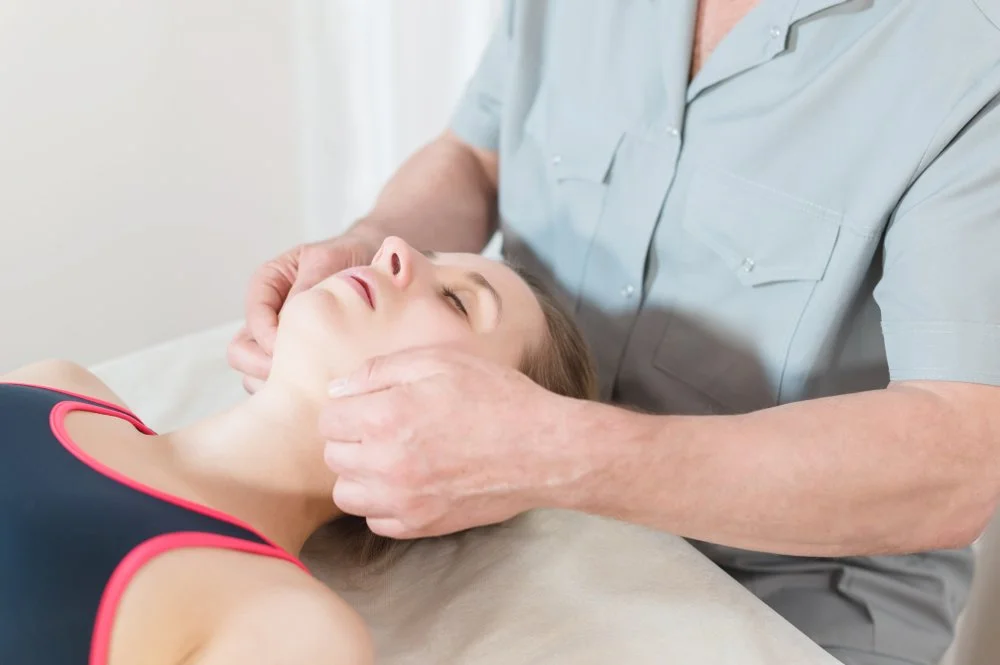
![Physical therapist providing hands-on treatment for a patient’s jaw]()
Why Does My Jaw Click or Pop?
A clicking or popping jaw is common and does not always mean something is wrong. The sound may come from changes in how the cartilage disc and jaw joint move during opening and closing. Learn what causes jaw clicking, when it may be a sign of TMJ dysfunction, and how physical therapy can help address underlying movement issues.
-
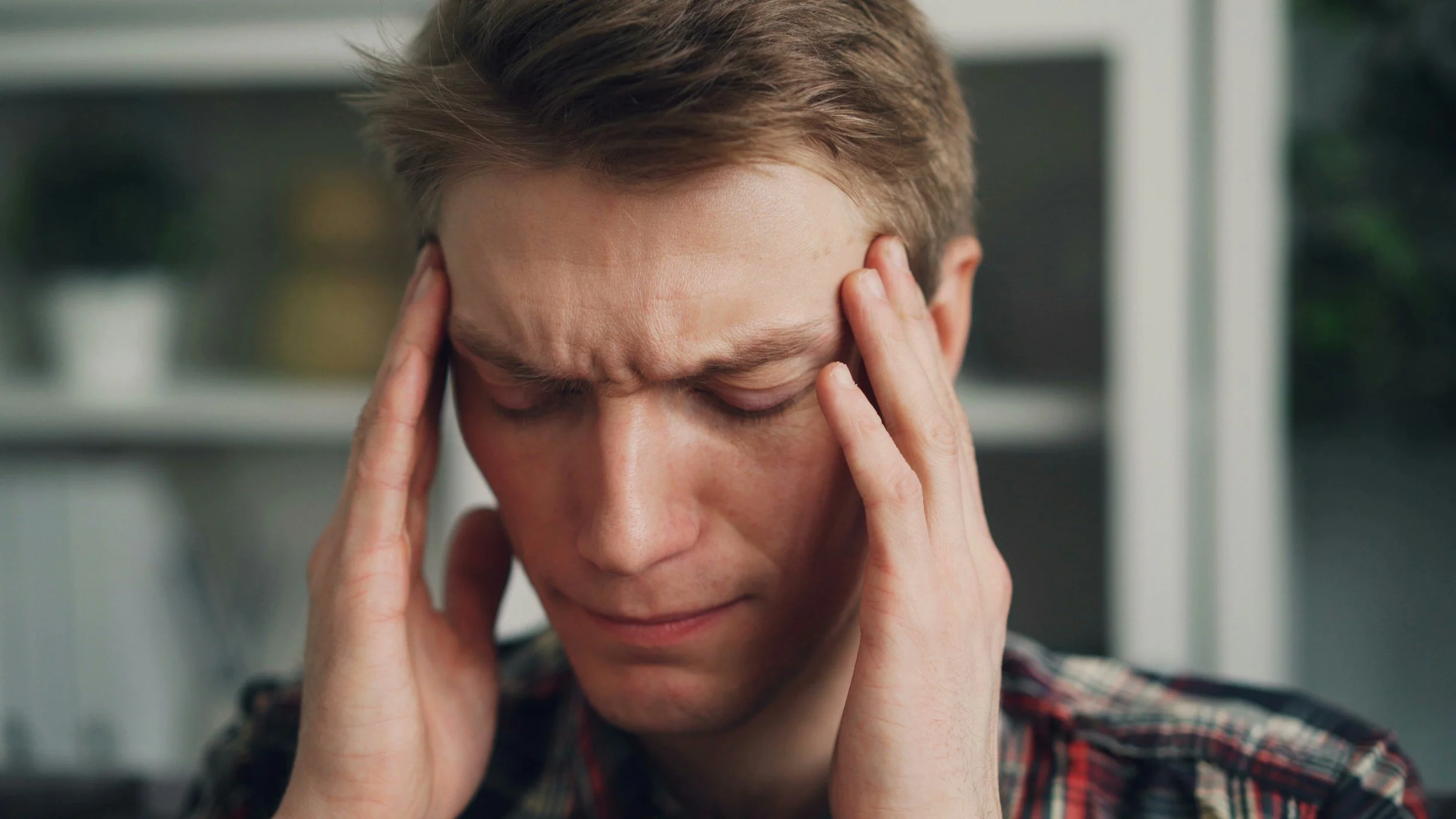
![Man pressing his temples while experiencing a headache]()
Can TMJ Dysfunction Cause Headaches?
TMJ dysfunction can cause or contribute to headaches by affecting the muscles, nerves, and joints that connect the jaw, neck, and head. Learn how temporomandibular disorders (TMD) may lead to pain around the temples, forehead, behind the eyes, or base of the skull—and how physical therapy can help identify the underlying cause.