TMJ Dysfunction: Is Your Jaw Really the Problem?
Quick Breakdown
Jaw pain, clicking, popping, headaches, and difficulty chewing are often blamed on TMJ, but the jaw joint isn't always the true source of the problem. Temporomandibular disorders (TMD) can arise from the jaw muscles, the joint itself, the cervical spine, posture, or even habits like clenching and grinding. At True Grit Physical Therapy, our comprehensive evaluation helps determine the underlying cause of your symptoms so treatment addresses the source—not just the painful area.
TMJ Disorder: Is Your Jaw Really the Problem?
If you've ever experienced pain while chewing, heard your jaw click every time you opened your mouth, or struggled to fully open your mouth after waking up, you've probably heard someone say: "You have TMJ." Technically, that's not quite correct. Everyone has a TMJ—it stands for the temporomandibular joint, the joint connecting your jaw (mandible) to your skull.
What most people actually mean is temporomandibular disorder (TMD), which refers to problems affecting the jaw joint, surrounding muscles, or the way the jaw moves. The important question isn't whether you have a TMJ. It's why your jaw is hurting in the first place.
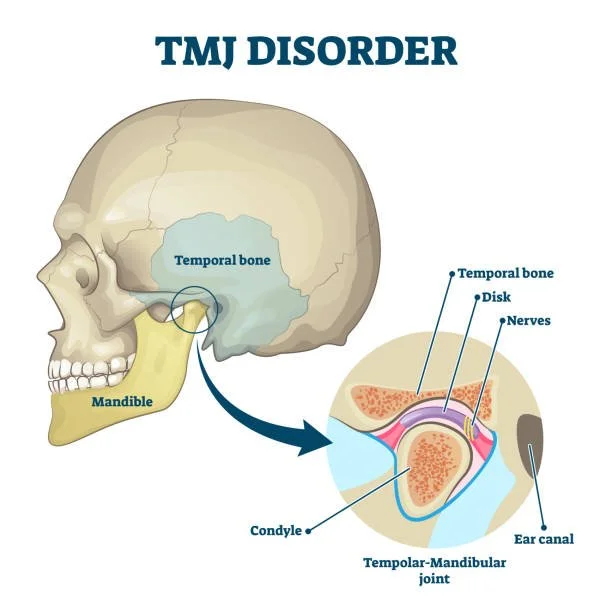
What Is the Temporomandibular Joint?
The temporomandibular joint is one of the most frequently used joints in your body. Every day it allows you to:
· Eat
· Talk
· Laugh
· Yawn
· Swallow
· Sing
Unlike many joints, the TMJ must move with remarkable precision. Both jaw joints work together every time you open or close your mouth, while a small cartilage disc helps the joint move smoothly. When the muscles, joint, or disc aren't functioning normally, symptoms can develop.
Common Symptoms of TMD
People with temporomandibular disorders often report:
· Jaw pain
· Pain near the ear
· Clicking or popping
· Locking of the jaw
· Difficulty opening the mouth
· Pain while chewing
· Facial muscle tightness
· Headaches
· Neck pain
· Ear fullness or pressure
· Ringing in the ears (in some individuals)
Not everyone experiences all of these symptoms. In fact, some people have painless clicking that requires no treatment at all. Others have significant pain with very little joint noise.
Not Every Click Is a Problem
One of the biggest misconceptions is that every clicking jaw needs to be "fixed." Many healthy individuals have jaw clicking without pain or loss of function. In many cases, the sound is simply the movement of the disc within the joint. If the jaw opens normally, functions well, and isn't painful, the click itself may not require treatment. Our focus is always on improving function and reducing symptoms—not simply eliminating noise.
What Causes TMD?
Temporomandibular disorders rarely have a single cause. Instead, they're often influenced by several contributing factors. Common contributors include:
· Jaw muscle overuse
· Clenching or grinding the teeth (bruxism)
· Stress
· Previous trauma
· Joint irritation
· Disc dysfunction
· Cervical spine dysfunction
· Poor posture
· Muscle imbalances
· Hypermobility
· Arthritis
Because multiple systems may be involved, every patient deserves a thorough evaluation rather than assuming the jaw itself is the only problem.
Sometimes the Jaw Isn't the Primary Problem
This often surprises patients. The jaw doesn't work in isolation. It functions as part of a larger movement system that includes the:
· Cervical spine
· Head
· Neck muscles
· Upper back
· Shoulders
· Nervous system
Problems in these regions can alter how the jaw moves. Likewise, dysfunction within the jaw can contribute to symptoms throughout the neck and head. Treating only the painful area may overlook the true source of the problem.
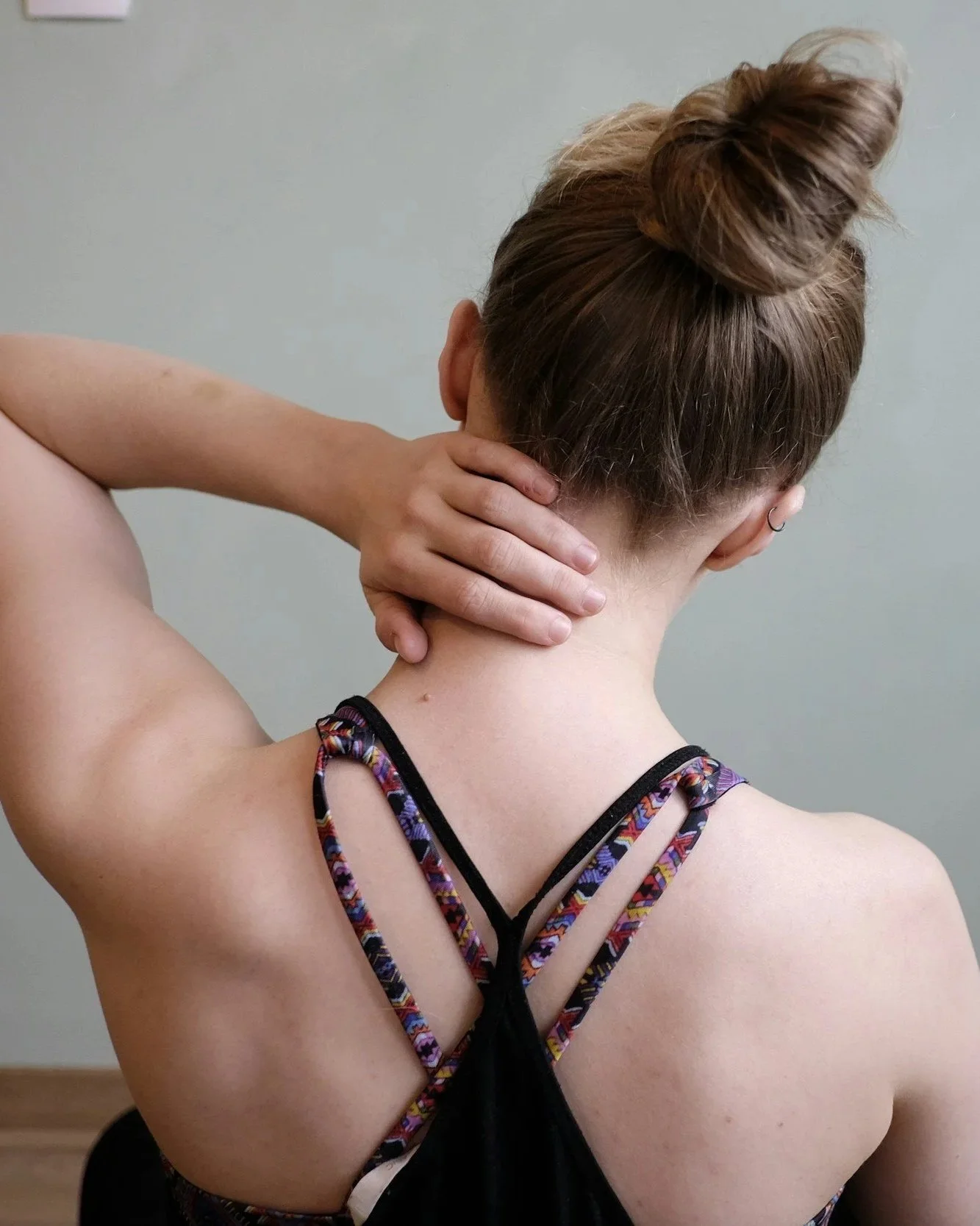
The Neck and Jaw Work Together
Research has shown a close relationship between the cervical spine and the temporomandibular joint. Many people with TMD also experience:
· Neck stiffness
· Limited cervical mobility
· Forward head posture
· Muscle tightness
· Headaches
The muscles responsible for jaw movement share neurological connections with the muscles controlling the head and neck. When one system becomes irritated, the other often compensates. Improving cervical mobility and muscular function frequently plays an important role in reducing jaw symptoms.
Muscles Can Be the Source of Pain
Not all TMD originates from the joint itself. Sometimes the muscles that open, close, and stabilize the jaw become overloaded. These muscles include the:
· Masseter
· Temporalis
· Medial pterygoid
· Lateral pterygoid
· Digastric
· Suprahyoid muscles
Overuse from clenching, grinding, prolonged chewing, stress, or repetitive jaw movements can lead to muscle tenderness, fatigue, and referred pain into the face, temples, and teeth. Treating muscle-related TMD often requires a different approach than treating joint-related disorders.
Our Evaluation Looks Beyond the Jaw
At True Grit Physical Therapy, we don't simply ask where it hurts. We want to understand why it hurts. Our comprehensive evaluation may include:
· Assessment of jaw opening and closing mechanics
· Measurement of mouth opening
· Joint mobility assessment
· Palpation of the jaw muscles
· Cervical spine mobility testing
· Postural assessment
· Muscle strength and endurance testing
· Evaluation of chewing and functional activities
· Screening for clenching or grinding habits
· Neurological screening when indicated
By evaluating the entire movement system, we can determine whether your symptoms are primarily muscular, joint-related, cervical in origin, or influenced by multiple contributing factors.
How Physical Therapy Can Help
Physical therapy has become an important conservative treatment option for many individuals with TMD. Treatment is always individualized but may include:
· Hands-on manual therapy
· Jaw mobility exercises
· Cervical spine treatment
· Soft tissue mobilization
· Muscle relaxation techniques
· Dry needling techniques
· Motor control exercises
· Postural retraining
· Strengthening of the deep neck flexors
· Education regarding jaw habits
· Progressive return to normal chewing function
The goal isn't simply reducing pain. It's restoring smooth, comfortable movement while decreasing unnecessary stress on the jaw.
Small Habits Can Make a Big Difference
Many daily habits unknowingly increase stress on the jaw. These may include:
· Clenching while concentrating
· Grinding during sleep
· Chewing gum frequently
· Nail biting
· Biting pens or pencils
· Resting your chin in your hand
· Holding tension in your jaw during stressful situations
Learning to recognize and modify these habits can significantly reduce irritation over time.
When Should You Seek Further Evaluation?
Although most cases of TMD respond well to conservative care, some symptoms deserve additional medical evaluation. Seek prompt medical attention if you experience:
· Sudden inability to open or close your mouth
· Significant trauma to the jaw
· Rapid swelling
· Fever or signs of infection
· Unexplained facial numbness
· Progressive neurological symptoms
· Severe jaw pain that continues worsening despite treatment
Recognizing when further medical evaluation is needed is an important part of providing safe, effective care.
The Bottom Line
Jaw pain isn't always "just TMJ." Temporomandibular disorders can arise from the jaw joint, surrounding muscles, cervical spine, posture, movement habits, or a combination of factors. At True Grit Physical Therapy, we perform a comprehensive evaluation to determine the true source of your symptoms. By identifying movement impairments, muscle dysfunction, joint restrictions, and contributing factors throughout the head, neck, and jaw, we develop an individualized treatment plan designed to restore comfortable movement and help you return to eating, talking, laughing, and living without pain. Because treating the jaw starts with understanding the entire system—not just the joint.