Can TMJ Dysfunction Cause Headaches?
Quick Breakdown
Yes—temporomandibular disorders (TMD) can contribute to headaches, especially those felt around the temples, forehead, behind the eyes, or the base of the skull. The jaw, neck, and head are closely connected through shared muscles and nerves, meaning dysfunction in one area can create pain in another. At True Grit Physical Therapy, we evaluate the entire head, neck, and jaw to determine whether your headaches may be related to TMJ dysfunction, cervical spine impairments, or another underlying condition.
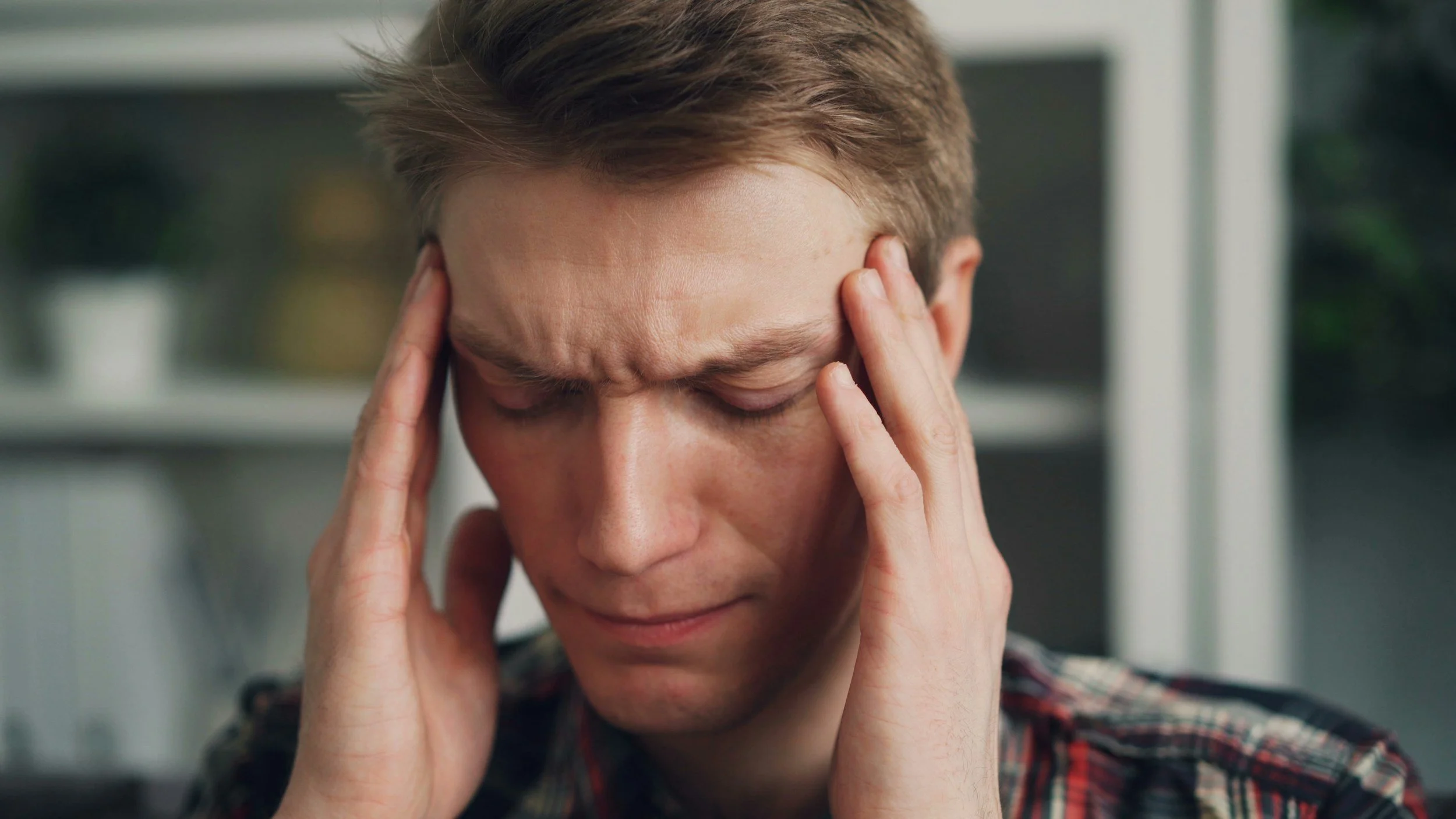
Can TMJ Dysfunction Cause Headaches?
If you struggle with frequent headaches, you may have tried everything from changing your pillow to drinking more water, reducing screen time, or taking medication. But have you ever considered that your jaw could be contributing to the problem?
For many people, the answer is yes. Temporomandibular disorders (TMD) can contribute to headaches, facial pain, and neck pain because the jaw doesn't function independently—it works as part of a highly connected system involving the head, neck, muscles, and nervous system. The challenge is that many people don't realize these connections exist. As a result, they continue treating the headache without ever addressing what may be causing it.
The Jaw and Neck Are Closely Connected
The temporomandibular joint (TMJ) is one of the most active joints in the body. Every time you talk, chew, yawn, or swallow, your jaw muscles coordinate with the muscles of your head and neck. These regions don't simply sit next to one another. They work together. The muscles controlling your jaw attach to your skull, face, and neck, while the nervous system integrates information from all of these structures to coordinate movement and process pain. When one part of the system becomes irritated, the others often compensate. That's why jaw dysfunction frequently occurs alongside neck pain—and why headaches are such a common complaint among people with TMD.
How Can TMJ Dysfunction Cause Headaches?
There are several ways temporomandibular disorders may contribute to headaches.
Overworked Jaw Muscles
One of the most common causes involves the muscles responsible for chewing. The masseter, temporalis, medial pterygoid, and lateral pterygoid work incredibly hard throughout the day. When these muscles become overloaded from clenching, grinding, prolonged chewing, or abnormal jaw mechanics, they can develop painful trigger points that refer pain into the:
· Temples
· Forehead
· Around the eyes
· Side of the head
· Jaw
· Teeth
The Trigeminocervical Connection
Another important reason jaw dysfunction can contribute to headaches involves the nervous system. The sensory information from the jaw is carried primarily through the trigeminal nerve, while the upper cervical spine sends information through the upper cervical nerves. These nerve pathways converge in an area of the brainstem known as the trigeminocervical complex. Because these pathways share information, the brain can sometimes have difficulty determining exactly where pain is originating. As a result:
· Jaw dysfunction may be perceived as a headache.
· Neck dysfunction may feel like facial pain.
· Cervical spine problems may contribute to pain around the temples or behind the eyes.
This explains why treating only the painful area doesn't always resolve the problem.
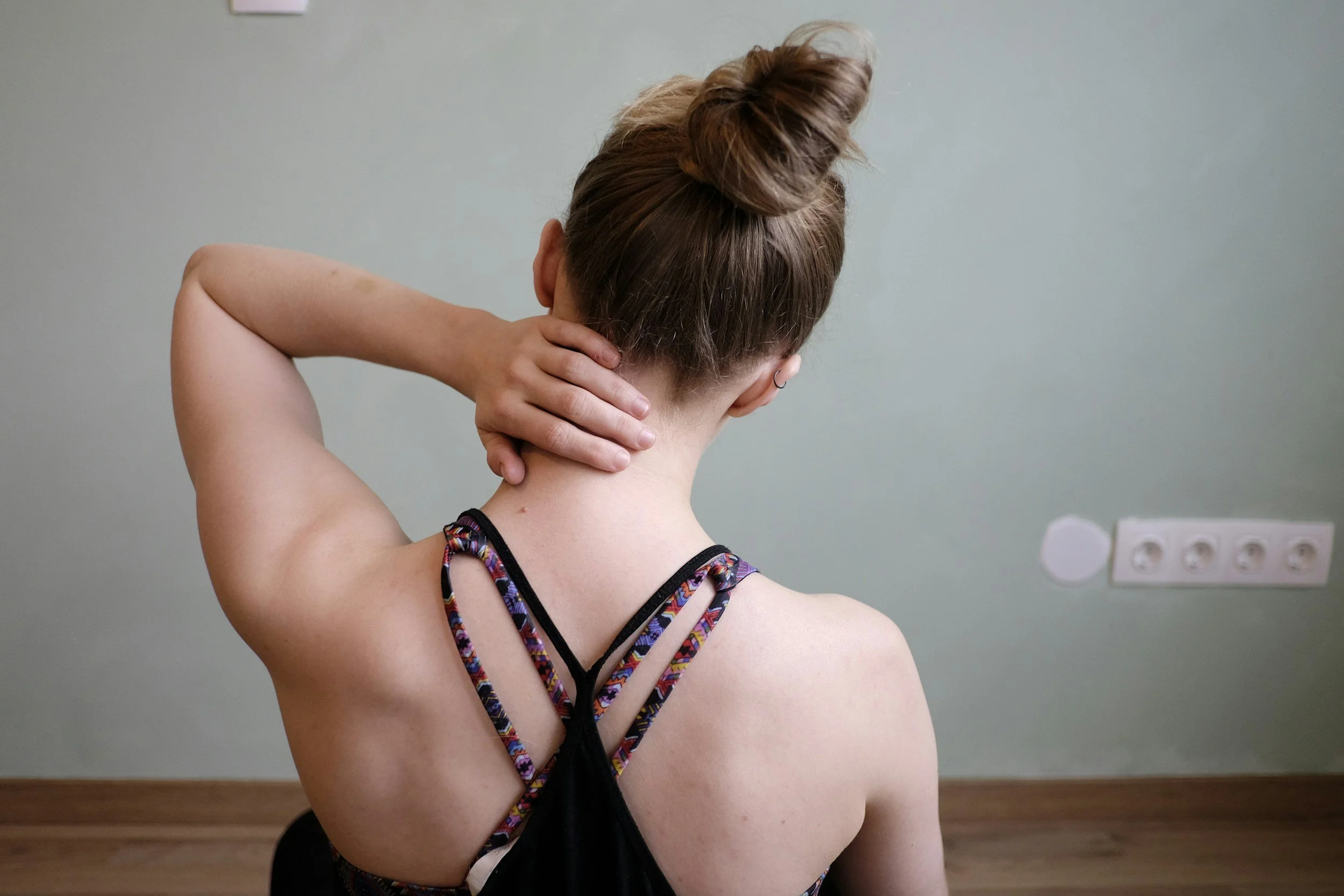
Neck Dysfunction Often Plays a Role
Research has consistently demonstrated a strong relationship between the cervical spine and temporomandibular disorders. Many people with TMD also experience:
· Neck pain
· Forward head posture
· Reduced cervical mobility
· Muscle tightness
· Decreased deep neck flexor endurance
When the cervical spine isn't functioning well, the jaw muscles often compensate. Likewise, jaw dysfunction may increase muscle activity throughout the neck. This creates a cycle where both regions continue contributing to one another's symptoms.
Common Headaches Associated with TMD
Headaches related to jaw dysfunction often have certain characteristics. People frequently describe:
· Pain around the temples
· Aching in front of the ears
· Tightness across the forehead
· Pain behind the eyes
· Pain that increases while chewing
· Morning headaches after grinding the teeth overnight
· Headaches accompanied by jaw clicking or locking
· Headaches associated with neck stiffness
Although these symptoms are common, they are not unique to TMD. That's why a thorough evaluation is essential.
Not Every Headache Comes from the Jaw
Headaches have many possible causes. They may be related to:
· Migraine
· Cervicogenic headaches
· Tension-type headaches
· Neuralgia
· Sinus conditions
· Vestibular disorders
· Vascular conditions
· Other neurological disorders
Sometimes more than one type of headache is present simultaneously. For example, someone with migraines may also have jaw dysfunction that increases the frequency or intensity of their headaches. Our job is to determine whether the jaw is contributing to your symptoms—not simply assume that it is.
How We Determine Whether Your TMJ Is Contributing
At True Grit Physical Therapy, we evaluate the entire movement system rather than focusing on a single painful area. Your evaluation may include:
· Jaw mobility assessment
· Measurement of mouth opening
· Assessment of jaw mechanics
· Cervical spine mobility testing
· Deep neck flexor endurance testing
· Postural assessment
· Palpation of the jaw and neck muscles
· Evaluation of chewing function
· Assessment of clenching or grinding habits
· Neurological screening when appropriate
We also look for movements or muscle testing that reproduce your familiar headache. This helps determine whether your symptoms are originating from the jaw, cervical spine, surrounding muscles, or another source entirely.
How Physical Therapy Can Help
If your headaches are related to TMD or cervical dysfunction, treatment often focuses on restoring normal movement throughout the entire system. Depending on your findings, treatment may include:
· Manual therapy for the jaw
· Cervical spine manual therapy
· Soft tissue mobilization
· Myofascial release of the muscles of mastication
· Motor control exercises
· Deep neck flexor strengthening
· Postural retraining
· Jaw mobility exercises
· Relaxation strategies for jaw muscles
· Education regarding clenching and grinding habits
The goal isn't simply to decrease today's headache. It's to reduce the mechanical stress that may be contributing to repeated headaches over time.

Small Daily Habits Matter
Many people unknowingly place significant stress on their jaw throughout the day. Common habits include:
· Clenching while working
· Grinding during sleep
· Resting the tongue improperly
· Chewing gum for extended periods
· Nail biting
· Holding tension in the face during stressful situations
Recognizing and modifying these habits often becomes an important part of long-term symptom management.
When Should You Seek Immediate Medical Attention?
Although headaches related to TMD are generally musculoskeletal, certain symptoms require prompt medical evaluation. Seek immediate medical attention if you experience:
· A sudden, severe headache unlike anything you've experienced before
· New neurological symptoms such as weakness, numbness, difficulty speaking, or vision changes
· Headaches accompanied by fever, confusion, and neck stiffness
· Headaches following significant head trauma
· Persistent headaches that continue worsening without explanation
These symptoms may indicate conditions unrelated to TMD and should be evaluated immediately.
The Bottom Line
Yes—temporomandibular disorders can contribute to headaches. Because the jaw, cervical spine, muscles, and nervous system work together so closely, dysfunction in one area often affects the others. At True Grit Physical Therapy, we don't assume every headache comes from the jaw—but we also don't overlook the possibility. Through a comprehensive evaluation of the jaw, cervical spine, posture, muscle function, and movement patterns, we determine whether TMD is contributing to your symptoms and develop an individualized treatment plan to address the true source of your pain. Because lasting relief begins with understanding why the headache is happening—not simply treating where it hurts.