


KNEE PAIN RESOURCES
Knee pain can make everyday activities like walking, climbing stairs, exercising, or participating in sports more challenging. Whether you're dealing with arthritis, a ligament injury, meniscus tear, runner's knee, tendonitis, or pain caused by overuse, understanding the source of your symptoms is an important step toward effective treatment and lasting relief. This resource center is designed to help you learn more about common knee conditions, how physical therapy can help reduce pain and improve function, and what to expect throughout the rehabilitation process. Explore our educational articles, answers to frequently asked questions, and evidence-based resources created by the team at True Grit Physical Therapy to better understand your knee pain, restore strength and mobility, and return to the activities you enjoy with confidence.
Frequently Asked Questions About Knee Pain
-
Knee pain can develop from a variety of conditions, including osteoarthritis, meniscus tears, ligament injuries such as ACL or MCL sprains, patellofemoral pain syndrome (runner's knee), tendonitis, bursitis, muscle strains, and overuse injuries. Pain may also result from poor movement mechanics, muscle weakness, or previous injuries. A physical therapist can help identify the underlying cause and recommend the most appropriate treatment plan.
-
You should consider seeing a physical therapist if your knee pain lasts more than a few days, interferes with walking, exercising, climbing stairs, or daily activities, or if your knee feels unstable, stiff, or swollen. Early intervention can often help reduce pain, improve mobility, and prevent the condition from becoming more severe.
-
Yes. Physical therapy is often one of the first treatments recommended for many knee conditions and can help reduce pain, improve joint mobility, restore strength, and enhance stability. Many people recover successfully with conservative care and are able to avoid surgery.
-
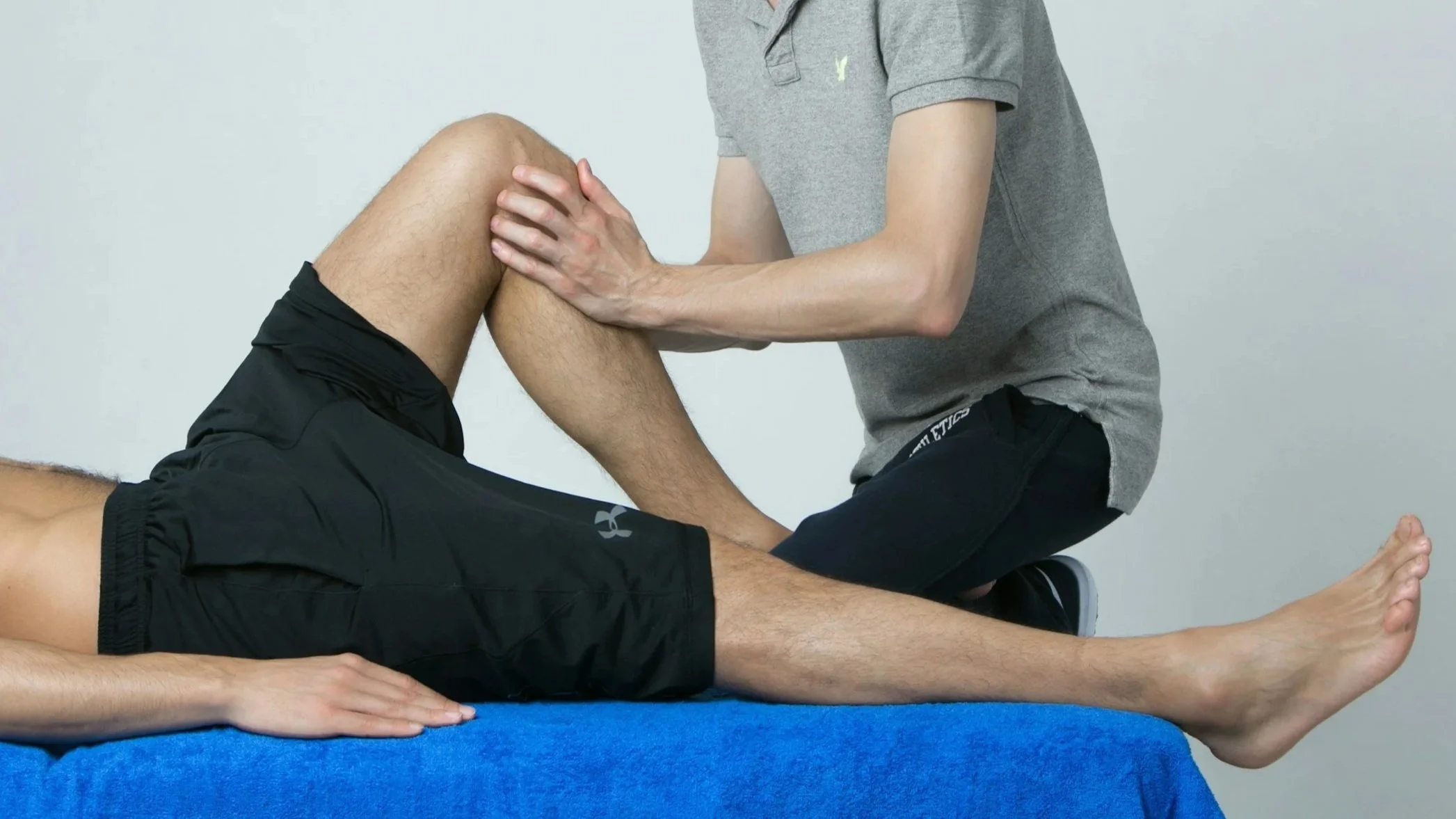
Your physical therapist will perform a comprehensive evaluation of your knee, hips, ankles, strength, flexibility, balance, walking mechanics, and movement patterns. Based on your findings, you'll receive a personalized treatment plan that may include therapeutic exercises, manual therapy, balance training, mobility work, and education to help improve function and reduce pain.
-
Recovery time depends on the cause of your knee pain, the severity of the injury, your overall health, and your commitment to your home exercise program. Some patients notice improvement within a few weeks, while more significant injuries or post-surgical rehabilitation may take several months.
-
Yes. Physical therapy focuses on correcting muscle imbalances, improving flexibility, strengthening the muscles that support the knee, and optimizing movement mechanics. These improvements can help lower your risk of future knee injuries while improving overall function and athletic performance.
-
Physical therapy can effectively treat many knee conditions, including arthritis, meniscus injuries, ACL and MCL sprains, patellofemoral pain syndrome, patellar tendonitis, iliotibial (IT) band syndrome, bursitis, muscle strains, overuse injuries, and rehabilitation following knee surgery. Your treatment plan will be tailored to your diagnosis, symptoms, and goals.
-
In many cases, no. A detailed physical examination is often enough to determine the cause of knee pain and begin appropriate treatment. If your symptoms suggest a more serious injury or you are not progressing as expected, your physical therapist may recommend discussing imaging or additional evaluation with your physician.
LATEST KNEE PAIN ARTICLES
-
MORE RESOURCES COMING SOON
We’re continually developing new educational resources to help you better understand injuries, movement health, and effective treatment strategies. Our team is working on additional articles covering common conditions, recovery tips, performance insights, and ways to stay active and resilient.
In the meantime, explore our existing resources or learn more about how True Grit Physical Therapy can help you address pain, improve movement, and reach your goals through personalized, evidence-based care.
