
SHOULDER PAIN RESOURCES
Shoulder pain and injuries can make everyday activities like reaching overhead, lifting, sleeping comfortably, or participating in sports more difficult. Whether you're dealing with a rotator cuff injury, shoulder impingement, instability, arthritis, frozen shoulder, or pain from overuse, understanding the underlying cause of your symptoms is an important step toward effective treatment and long-term recovery. This resource center is designed to help you learn more about common shoulder conditions, how physical therapy can help reduce pain and restore function, and what to expect throughout the rehabilitation process. Explore our educational articles, answers to frequently asked questions, and evidence-based resources created by the team at True Grit Physical Therapy to better understand your shoulder pain, improve mobility and strength, and get back to the activities you enjoy with confidence.

Frequently Asked Questions About Shoulder Pain
-
Shoulder pain can result from a variety of conditions, including rotator cuff injuries, shoulder impingement, tendonitis, bursitis, frozen shoulder (adhesive capsulitis), arthritis, instability, labral tears, and muscle strains. Pain may also develop from repetitive overhead activities, sports injuries, poor posture, or age-related wear and tear. A physical therapist can help identify the underlying cause and develop a treatment plan based on your specific condition.
-
You should consider seeing a physical therapist if your shoulder pain lasts more than a few days, limits your ability to perform daily activities, affects your sleep, or makes it difficult to lift your arm or participate in work or sports. Early treatment can often help prevent symptoms from worsening and may reduce the need for more invasive treatments.
-
Yes. Physical therapy is often one of the first treatments recommended for many shoulder conditions and can be highly effective in reducing pain, improving mobility, restoring strength, and helping you return to normal activities. Many people recover successfully with conservative treatment and do not require surgery.
-
Your first visit includes a thorough evaluation of your shoulder, neck, posture, strength, flexibility, and movement patterns. Based on your findings, your physical therapist will create a personalized treatment plan that may include targeted exercises, manual therapy, mobility work, posture correction, activity modification, and education to help reduce pain and improve function.
-
Recovery depends on the cause and severity of your shoulder condition, your overall health, and how consistently you follow your treatment plan. Some people notice improvement within a few weeks, while more complex injuries or post-surgical rehabilitation may take several months. Your physical therapist will monitor your progress and adjust your program as you recover.
-
Yes. Physical therapy doesn't just treat pain—it also addresses the movement limitations, muscle weakness, flexibility deficits, and biomechanical issues that contribute to injury. Improving shoulder strength, stability, posture, and movement mechanics can reduce your risk of future shoulder problems and improve long-term performance.
-
Physical therapy can help manage many shoulder conditions, including rotator cuff strains and tears, shoulder impingement syndrome, tendonitis, bursitis, frozen shoulder, arthritis, shoulder instability, labral injuries, dislocations, post-surgical recovery, and overuse injuries. Your treatment plan will be customized to your diagnosis, symptoms, and goals.
-
In many cases, no. Many shoulder conditions can be accurately evaluated through a detailed history and physical examination, allowing you to begin treatment without advanced imaging. If your symptoms suggest a more serious injury or your progress is not as expected, your physical therapist may recommend consulting with your physician about additional imaging or other diagnostic tests.
LATEST SHOULDER PAIN ARTICLES
-
What Is Shoulder Impingement?
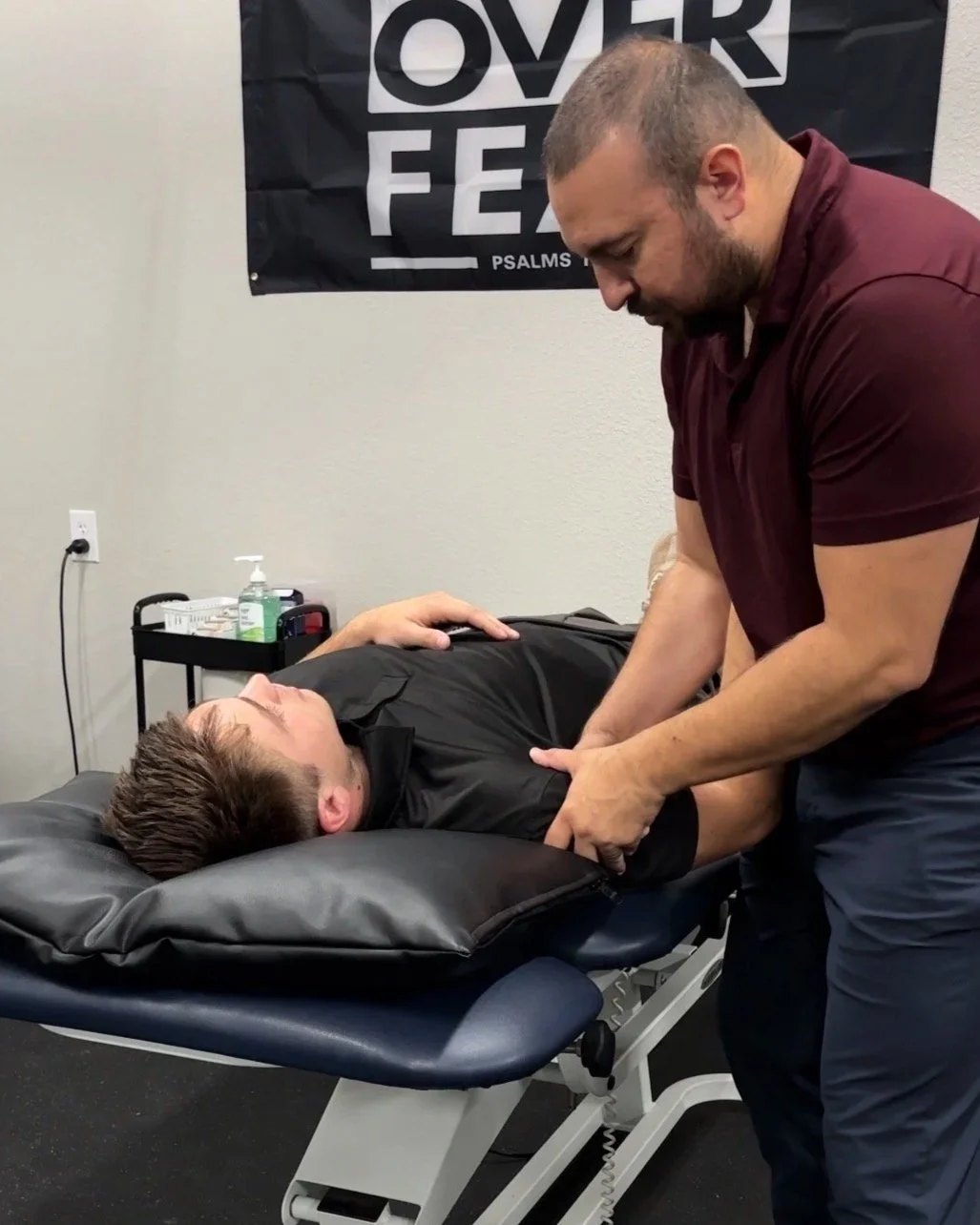
Shoulder impingement is a common diagnosis, but it doesn't always explain the true source of your pain. Learn how muscle strength, mobility, movement patterns, and shoulder mechanics can contribute to symptoms, and why a thorough physical therapy evaluation is key to lasting relief.
-
Can a Pinched Nerve Cause Shoulder Pain?
Pain in the shoulder is common, but identifying where it actually starts is key to getting relief. A pinched nerve in the neck often refers sharp, burning, or aching pain straight into the shoulder joint. At True Grit Physical Therapy, we break down how to differentiate neck-driven pain from true joint injuries so you get the right treatment from day one.

-
What Is Frozen Shoulder?
Simple daily tasks shouldn't feel like a struggle. If your shoulder has become increasingly stiff and painful, you may be dealing with frozen shoulder. At True Grit Physical Therapy, we look beyond the symptoms to confirm your diagnosis and build an individualized treatment plan to restore your mobility safely and efficiently.