Is It Really Plantar Fasciitis? Understanding the True Cause of Your Heel Pain
Quick Breakdown
Heel pain is commonly labeled as plantar fasciitis, but that diagnosis isn't always correct. In fact, many cases of persistent heel pain are better described as plantar fasciopathy, and other conditions—such as nerve entrapment, fat pad syndrome, or even pain referred from the lower back—can produce very similar symptoms. At True Grit Physical Therapy, our comprehensive evaluation helps identify the true source of your heel pain, so treatment targets the underlying cause rather than simply chasing the symptoms.

Is It Really Plantar Fasciitis? Understanding the True Cause of Your Heel Pain
If you've developed pain under your heel, chances are someone has told you: "It's probably plantar fasciitis." It's one of the most common diagnoses given for heel pain. And sometimes it's exactly right. But not always.
The reality is that heel pain is a symptom—not a diagnosis. Several different conditions can cause pain in nearly the same location and treating them all as "plantar fasciitis" may explain why some people continue struggling for months or even years. That's why one of the most important parts of treatment is determining what is actually causing your heel pain.
What Is the Plantar Fascia?
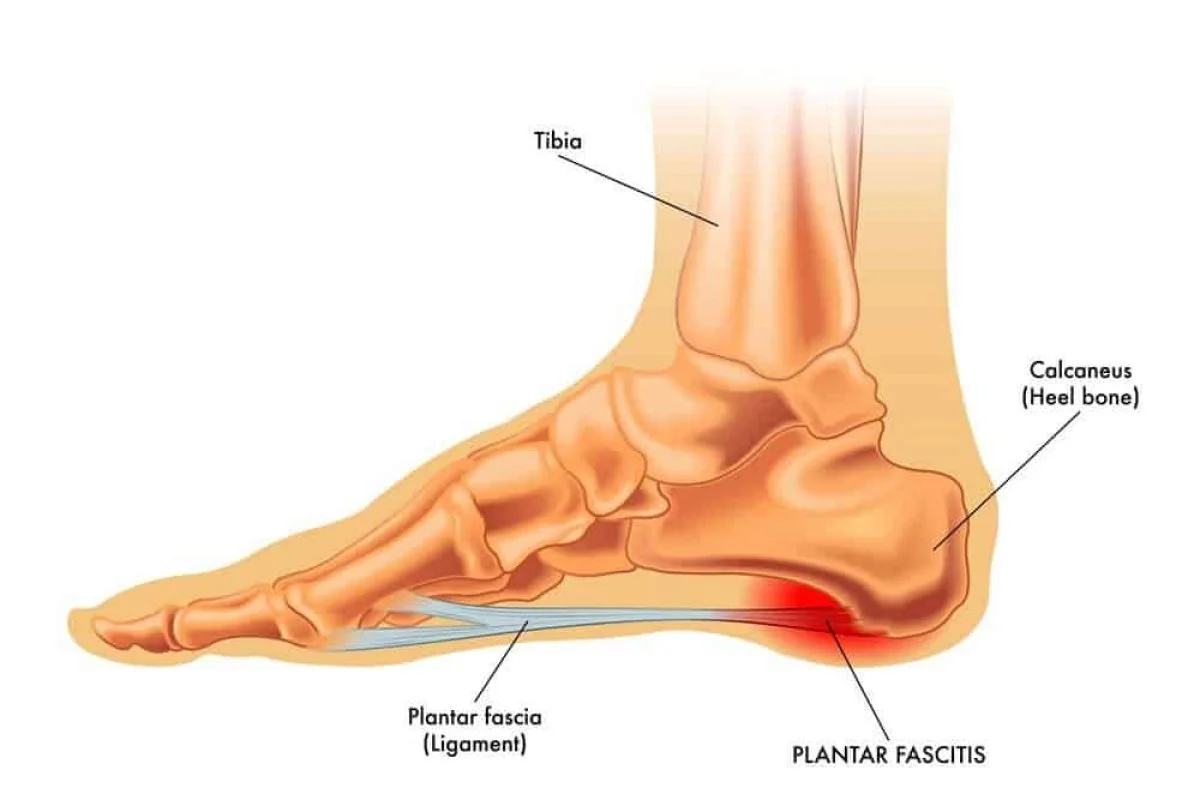
The plantar fascia is a thick band of connective tissue that runs from your heel to the base of your toes. It plays an important role in supporting the arch of the foot and helping transfer forces during walking, running, and jumping. Every step places stress on the plantar fascia. Considering that most people take several thousand steps each day—and runners may take tens of thousands during a training week—it's easy to understand how this tissue can become irritated when loading exceeds its capacity.
Why Many Experts Prefer the Term "Plantar Fasciopathy"
For years, the condition was almost universally called plantar fasciitis, with "-itis" suggesting inflammation. While inflammation may be present during the very early stages of injury, research has shown that many persistent cases involve degenerative changes within the tissue rather than ongoing inflammation. This is why many healthcare
professionals now prefer the term: Plantar fasciopathy, indicating a disorder of the tissue, without assuming inflammation is the primary problem.
This distinction matters because it changes how we think about treatment. If a tissue is primarily overloaded rather than inflamed, improving its capacity through progressive loading often becomes one of the most effective interventions—not simply trying to reduce inflammation.
What Does Plantar Fasciopathy Feel Like?
Although everyone's symptoms are different, common signs include:
· Pain underneath the heel near the inside portion of the heel bone
· Pain with the first few steps in the morning
· Pain after sitting for prolonged periods
· Symptoms that often improve after walking for a few minutes
· Increased pain after long periods of standing or running
· Tenderness where the plantar fascia attaches to the heel
These symptoms are common—but they aren't unique to plantar fasciopathy. Several other conditions can produce similar pain.
Not All Heel Pain Comes from the Plantar Fascia
This is where a thorough evaluation becomes so important. Many conditions can mimic plantar fasciopathy. Treating all heel pain the same may delay recovery if the true source of symptoms isn't identified.
Baxter's Nerve Entrapment
One condition that can closely resemble plantar fasciopathy is irritation of the first branch of the lateral plantar nerve, commonly known as Baxter's nerve. This small nerve travels near the inside of the heel and can become compressed as it passes between muscles and connective tissues. Symptoms may include:
· Burning heel pain
· Sharp or electric sensations
· Pain that persists longer after activity
· Tenderness near the inside of the heel
· Symptoms that don't improve with traditional plantar fasciitis treatment
Because the pain occurs in nearly the same location, Baxter's nerve entrapment is sometimes mistaken for plantar fasciopathy.
Heel Fat Pad Syndrome
The heel contains a specialized fat pad that cushions your heel bone during walking and running. Over time, injury, repetitive impact, or age-related changes can reduce its ability to absorb force. Unlike plantar fasciopathy, fat pad syndrome often produces:
· Pain directly beneath the center of the heel
· Increased discomfort when walking on hard surfaces
· Pain that worsens with prolonged standing
· Tenderness directly over the heel pad
· Relief when additional cushioning is used
Treating fat pad pain as plantar fasciopathy often fails because the underlying problem isn't the plantar fascia at all.
Pain Referred from the Lumbar Spine
Many people are surprised to learn that heel pain doesn't always originate in the foot. Nerves exiting the lower back travel all the way down the leg into the foot. When one of these nerves becomes irritated, pain may be felt in the heel—even when the foot itself appears relatively normal. In some cases, heel pain is actually a symptom of lumbar nerve irritation or lumbar radiculopathy. Clues that suggest the spine may be involved include:
· Low back pain accompanying heel symptoms
· Pain that travels into the leg
· Numbness or tingling
· Changes in sensation
· Symptoms influenced by sitting or spinal movements
· Weakness in the leg or foot
This is one reason we never evaluate the foot in isolation.

Other Possible Causes of Heel Pain
While plantar fasciopathy is the most common diagnosis, heel pain may also result from:
· Achilles tendon disorders
· Calcaneal stress fractures
· Tarsal tunnel syndrome
· Inflammatory arthritis
· Foot joint dysfunction
· Less commonly, systemic medical conditions
Each condition requires a different treatment approach. That's why identifying the source of pain is more important than simply attaching a familiar label.
Why Heel Pain Develops
Even when plantar fasciopathy is the correct diagnosis, the next question becomes: "Why did it happen?" The plantar fascia usually doesn't become painful without a reason. Contributing factors often include:
· Sudden increases in walking or running
· Reduced calf flexibility
· Limited ankle mobility
· Weak foot muscles
· Weak calves
· Hip weakness
· Poor single-leg stability
· Changes in training volume
· Prolonged standing on hard surfaces
· Footwear changes
· Repetitive overload without adequate recovery
Understanding these contributing factors helps us reduce the likelihood of the pain returning.
Why Didn't My Previous Treatment Work?
Many people with persistent heel pain have already tried calf stretches, frozen water bottles, massage guns, orthotics, injections, or even months of rest. While these treatments can be helpful for the right condition, they may not address the true source of the problem. If your heel pain is actually being driven by a nerve entrapment, weakness, poor loading capacity, training errors, or pain referred from your lumbar spine, treating it as "plantar fasciitis" alone may provide only temporary relief. That's why our first priority is making the right diagnosis before developing a treatment plan.
How We Differentiate the Cause of Your Heel Pain
At True Grit Physical Therapy, our evaluation is designed to identify why your heel hurts—not simply whether your symptoms resemble plantar fasciitis. Your examination may include:
· A detailed discussion of how your symptoms began
· Assessment of symptom location and behavior
· Palpation of the plantar fascia, heel fat pad, and surrounding structures
· Neurological screening
· Lumbar spine assessment when appropriate
· Ankle and foot mobility testing
· Calf flexibility assessment
· Strength testing of the foot, ankle, and hips
· Balance and single-leg stability testing
· Walking and running gait analysis when indicated
By combining these findings, we can determine whether your symptoms are most consistent with plantar fasciopathy or another condition requiring a different treatment approach.
Treatment Should Match the Diagnosis
Once the source of your symptoms has been identified, treatment becomes much more effective. Depending on your diagnosis, treatment may include:
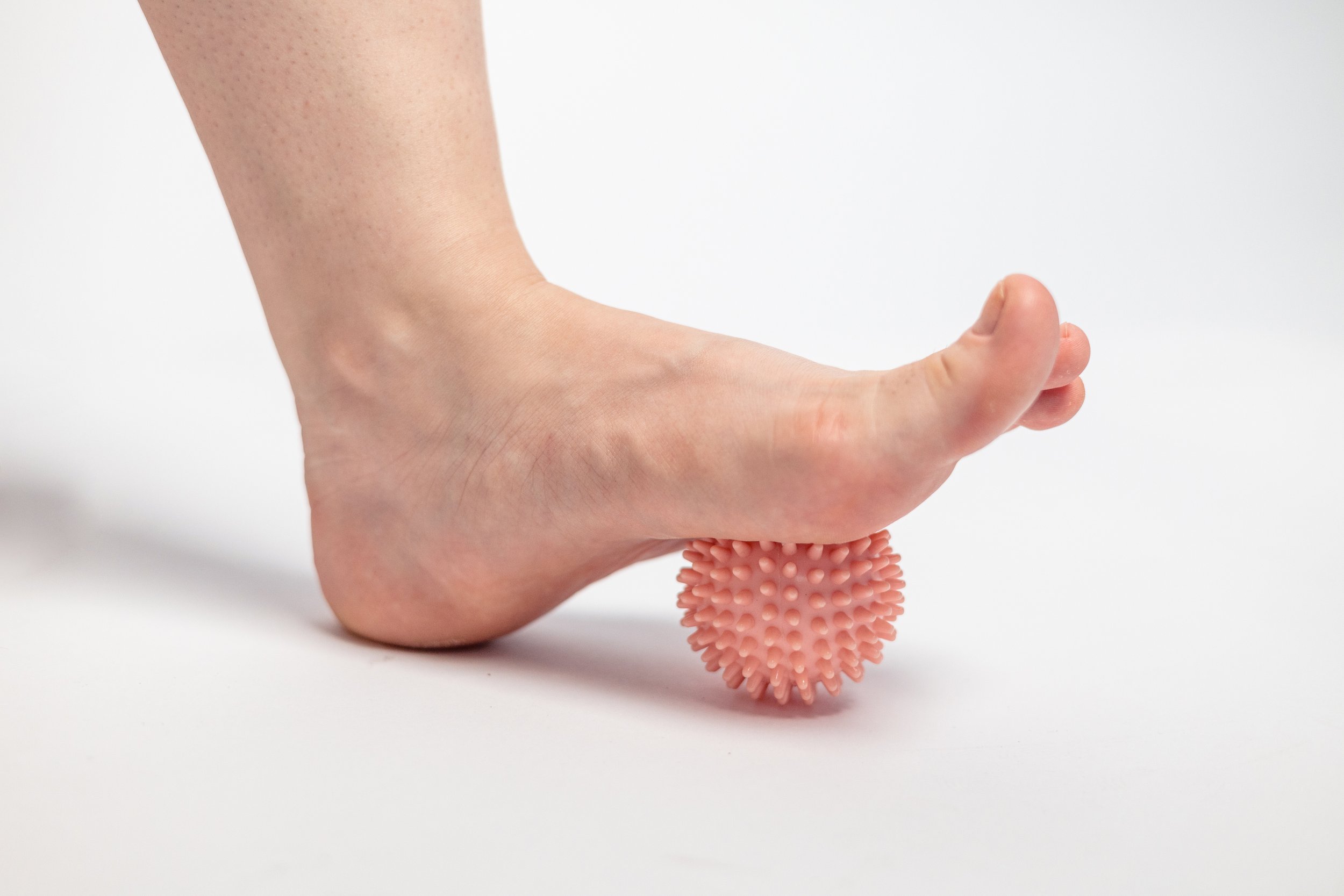
· Progressive loading of the plantar fascia
· Manual therapy to improve mobility
· Foot and ankle strengthening
· Calf strengthening
· Balance training
· Running gait analysis
· Neuromuscular retraining
· Nerve mobilization techniques when appropriate
· Activity modification
· Education regarding footwear and training progression
The goal isn't simply reducing today's pain. It's restoring your foot's ability to tolerate the demands of everyday life, work, and recreation.
The Bottom Line
Not every case of heel pain is plantar fasciitis. Even when the plantar fascia is involved, many persistent cases are more accurately described as plantar fasciopathy, reflecting changes in the tissue that respond best to progressive rehabilitation rather than rest alone.
At True Grit Physical Therapy, we take the time to determine whether your symptoms are coming from the plantar fascia, a nerve entrapment, the heel fat pad, the lumbar spine, or another source entirely. Through a comprehensive movement evaluation and evidence-based examination, we develop a treatment plan that targets the true cause of your pain—not just the place where it hurts. Because the right diagnosis is the first step toward lasting relief—and getting you back to walking, running, working, and living without heel pain.