Is It Safe to Exercise with Low Back Pain?
Quick Breakdown
One of the biggest misconceptions about low back pain is that you should avoid all exercise until the pain is completely gone. In reality, for most people, the right type of movement is one of the most effective treatments for back pain. At True Grit Physical Therapy, we help patients determine which movements are safe, which should be modified, and how to build strength and confidence while allowing the back to heal.

Is It Safe to Exercise with Low Back Pain?
If you've ever experienced low back pain, you've probably asked yourself: "Should I keep exercising, or will I make it worse?" It's a reasonable question. When your back hurts, your natural instinct is often to protect it. Many people stop exercising completely, avoid bending, lifting, or twisting, and wait for the pain to disappear before becoming active again. While that approach may seem logical, it's often not the fastest—or most effective—path to recovery. For most cases of mechanical low back pain, appropriately selected movement and exercise are not only safe—they're one of the best treatments available. The challenge isn't deciding whether you should move. It's determining how you should move.
Movement Is Medicine—When It's the Right Movement
Our bodies are designed to move. Muscles, joints, tendons, and even spinal discs rely on regular movement to stay healthy. Movement helps:
· Improve circulation
· Reduce stiffness
· Maintain joint mobility
· Stimulate tissue healing
· Preserve muscle strength
· Improve coordination
· Build confidence in movement
Complete bed rest was once commonly recommended for low back pain. Today, research consistently shows that prolonged inactivity often delays recovery rather than accelerating it. In many cases, continuing to move within your tolerance helps people recover faster than avoiding activity altogether.
Pain Doesn't Always Mean Damage
One of the most important concepts to understand is that pain and tissue damage are not always the same thing. Pain is your body's way of signaling that something deserves attention—but it doesn't necessarily mean you're causing additional injury every time you move. For example, after a back injury, the nervous system often becomes more sensitive. Movements that were once effortless may suddenly feel uncomfortable, even though the tissues are healing appropriately. That doesn't mean you should ignore severe pain. But it does mean that experiencing some discomfort during rehabilitation isn't always harmful. One of our goals is helping patients understand the difference between expected soreness and warning signs that indicate a movement should be modified.
Not All Exercises Are Created Equal
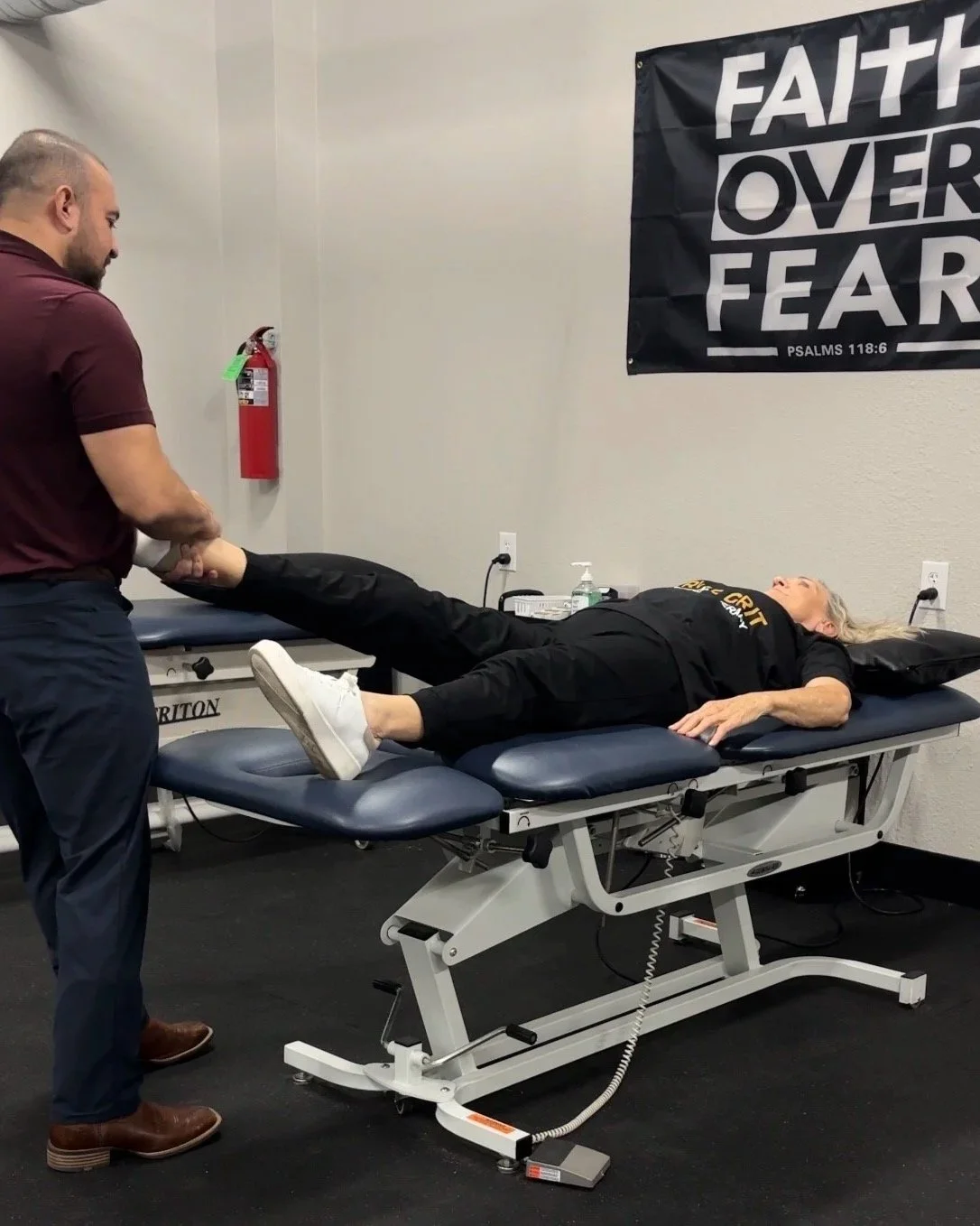
The question isn't simply: "Is exercise safe?" It's: "Is this the right exercise for your condition?" Different causes of back pain respond differently to movement. Someone recovering from a lumbar muscle strain may benefit from a different progression than someone with a disc-related injury. Someone with spinal stenosis often tolerates different positions than someone with extension-sensitive back pain. That's why individualized treatment matters. The best exercise for one person may be the wrong exercise for someone else.
More Exercise Isn't Always Better
Another common misconception is that if exercise is helpful, then doing more must be even better. Recovery doesn't work that way. Your body responds best to an appropriate amount of stress followed by adequate recovery. Too little activity may delay progress. Too much too soon can increase irritation. Our goal is to find the "sweet spot" where you're challenging your body enough to promote healing without consistently overloading irritated tissues. That balance looks different for every patient.
We Focus on Building Capacity
At True Grit Physical Therapy, we don't simply prescribe exercises to reduce pain. We prescribe exercises that increase your body's capacity. Think of your spine like any other part of your body. If you never strengthen it, avoid using it, and become fearful of movement, your tolerance for everyday activities often decreases.
On the other hand, when strength, endurance, and movement quality improve, your body becomes more resilient. Activities that once caused pain become easier because your body is better prepared to handle them. The goal isn't simply avoiding pain. The goal is increasing what your body can comfortably do.
Why Technique Matters
You may already be performing excellent exercises. But if they're done with poor movement patterns, you may not get the results you're hoping for. As Shirley Sahrmann's work on movement system impairments has demonstrated, subtle movement compensations repeated hundreds or thousands of times can increase stress on the same tissues.
For example:
· A bridge performed primarily through the low back instead of the glutes.
· A squat performed with excessive lumbar flexion instead of hip movement.
· A core exercise completed by holding your breath rather than creating proper trunk stability.
The exercise itself isn't necessarily the problem. How your body performs the movement often matters just as much. That's why movement quality is a major focus of our rehabilitation programs.
We Don't Just Strengthen the Back
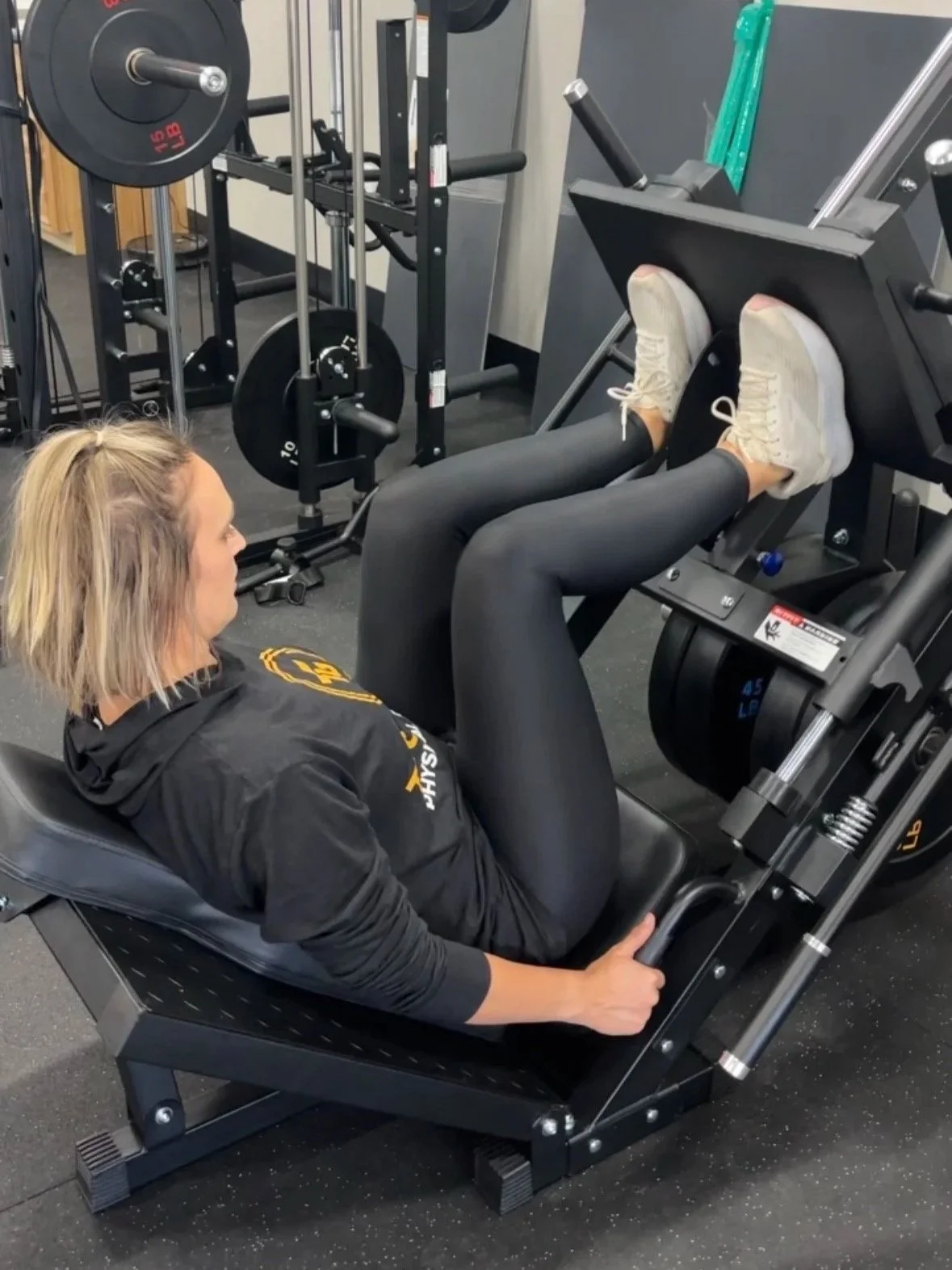
Many people assume low back pain means they need to strengthen their back muscles. While that can help, the spine depends on coordinated movement throughout the body. Depending on your evaluation, treatment may focus on improving:
Hip and glute strength
Core stability and trunk endurance
Ankle and thoracic spine mobility
Balance and functional movement patterns
Agility and sport-specific performance
By improving how your body moves as a whole, we can often reduce unnecessary stress on the lumbar spine.
When You Should Modify or Stop Exercise
Although movement is beneficial for most people, there are times when exercise should be modified or stopped until you're evaluated. Seek medical attention promptly if exercise is accompanied by:
· Progressive numbness or weakness in your legs
· Loss of bowel or bladder control
· Numbness around the groin or saddle region
· Severe pain following significant trauma
· Fever, chills, or unexplained weight loss along with back pain
· Pain that rapidly worsens despite activity modification
· Severe, unrelenting pain that does not improve with rest or changes in position
These symptoms may indicate a more serious condition requiring medical evaluation before continuing an exercise program.
How We Determine What's Safe
Every patient begins with a comprehensive evaluation. Rather than giving everyone the same list of exercises, we identify:
· Your specific diagnosis
· Movements that aggravate symptoms
· Movements that reduce symptoms
· Mobility restrictions
· Strength deficits
· Endurance limitations
· Movement impairments
· Functional goals
From there, we develop an individualized exercise program that matches where you are today—not where someone else thinks you should be. As you improve, your exercises progress with you.
Confidence Is Part of Recovery
One of the biggest obstacles after a back injury isn't always physical. It's fear. Many people begin avoiding bending, lifting, twisting, or exercising because they're afraid they'll "throw their back out" again. Over time, this fear can lead to reduced activity, decreased strength, and even greater sensitivity to movement. Part of our job is helping you rebuild confidence.
By gradually exposing your body to movements it can safely tolerate, we help demonstrate that your spine is capable, resilient, and designed to move. Confidence grows as your capacity grows.
The Bottom Line
For most people with low back pain, avoiding movement completely is not the answer. The right exercises, performed with proper technique and progressed appropriately, can reduce pain, improve strength, restore confidence, and help prevent future episodes of back pain.
At True Grit Physical Therapy, we combine a detailed movement evaluation with individualized exercise programming to help you move safely, recover efficiently, and return to the activities you enjoy. Because our goal isn't simply to get you exercising again. It's to help you move with confidence—without fear that every workout will set you back.