ACL Injury Prevention: Can You Reduce Your Risk of Tearing Your ACL?
Quick Breakdown
An ACL tear can be a season-ending—and sometimes career-changing—injury, but many non-contact ACL injuries are preventable. Research has shown that targeted screening, neuromuscular training, strength development, and movement retraining can significantly reduce an athlete's risk of injury. At True Grit Physical Therapy, we use evidence-based assessments to identify movement deficits before they become injuries and develop individualized programs that help athletes move more efficiently, perform at a higher level, and stay on the field.

ACL Injury Prevention: Can You Reduce Your Risk of Tearing Your ACL?
Every athlete hopes they'll never experience an ACL injury. Unfortunately, thousands of athletes tear their anterior cruciate ligament (ACL) every year. Recovery often requires surgery, many months of rehabilitation, and a long road back to competition. What's even more frustrating is that many ACL injuries don't happen because another player hit the knee. They happen completely on their own.
· An athlete lands from a rebound.
· Cuts to change direction.
· Plants to accelerate.
· Or pivots to avoid a defender.
Then suddenly they feel—or hear—a "pop." The knee gives way. Their season is over. The encouraging news is that many of these non-contact ACL injuries are preventable. Research consistently shows that targeted screening and neuromuscular training programs can significantly reduce the risk of ACL injuries, particularly in athletes participating in jumping, cutting, and pivoting sports.
Most ACL Injuries Are Non-Contact
Many people assume ACL tears occur because another athlete collides with the knee.
While contact injuries certainly happen, approximately 70% of ACL injuries occur without direct contact. Instead, they happen during athletic movements such as:
· Landing from a jump
· Cutting to change direction
· Pivoting
· Decelerating
· Sudden acceleration
· Single-leg landings
These are movements athletes perform hundreds of times during every season. The difference is that one movement exceeds the body's ability to control the forces placed upon it.
Why Do Non-Contact ACL Injuries Happen?
The ACL helps stabilize the knee by limiting excessive forward movement and rotation of the tibia beneath the femur. During athletic movements, enormous forces travel through the knee. Ideally, those forces are absorbed by the muscles of the hips, trunk, thighs, calves, and lower extremities working together. When movement quality deteriorates—or the muscles cannot adequately control those forces—the stress placed on the ACL increases dramatically. Rather than one muscle being "weak," the injury often results from several factors occurring simultaneously.
Common Risk Factors
Research has identified several movement characteristics commonly associated with increased ACL injury risk. These include:
· Poor landing mechanics
· Dynamic knee valgus (the knee collapsing inward)
· Inadequate hip and trunk control
· Weak gluteal muscles
· Quadriceps dominance
· Poor hamstring strength
· Asymmetrical movement patterns
· Decreased balance and proprioception
· Fatigue-related movement breakdown
Not every athlete demonstrating these characteristics will tear their ACL. However, identifying and improving these factors can significantly reduce injury risk.
Strength Alone Isn't Enough
Many athletes spend hours in the weight room. Strength is incredibly important—but strength alone doesn't guarantee protection. An athlete may squat impressive weight yet still demonstrate poor mechanics when landing from a jump or rapidly changing direction.
The nervous system must learn how to coordinate strength during fast, unpredictable athletic movements. That's where neuromuscular training becomes essential. The goal isn't simply producing force – it’s producing force efficiently while maintaining excellent control.
Screening Helps Identify Athletes at Risk
One of the biggest advances in sports medicine has been the development of objective movement screening. Rather than waiting until an injury occurs, we can evaluate movement patterns that may place unnecessary stress on the knee. While no screening tool can predict every ACL injury, evidence-based assessments can identify deficits that are modifiable through targeted training.
What We Evaluate
At True Grit Physical Therapy, we combine several evidence-based assessments to develop a comprehensive picture of each athlete's movement quality and physical readiness. Our evaluation may include:
· Mobility
· Strength
· Single-Leg Control
· Landing Mechanics
· Dynamic Balance
· Hop Testing and Power
· Agility and Change-of-Direction
Mobility Assessment
Adequate mobility is essential for efficient movement. We assess mobility of the:
· Ankles
· Hips
· Knees
· Thoracic spine
Restrictions in one joint often force another joint to compensate, increasing stress throughout the kinetic chain.
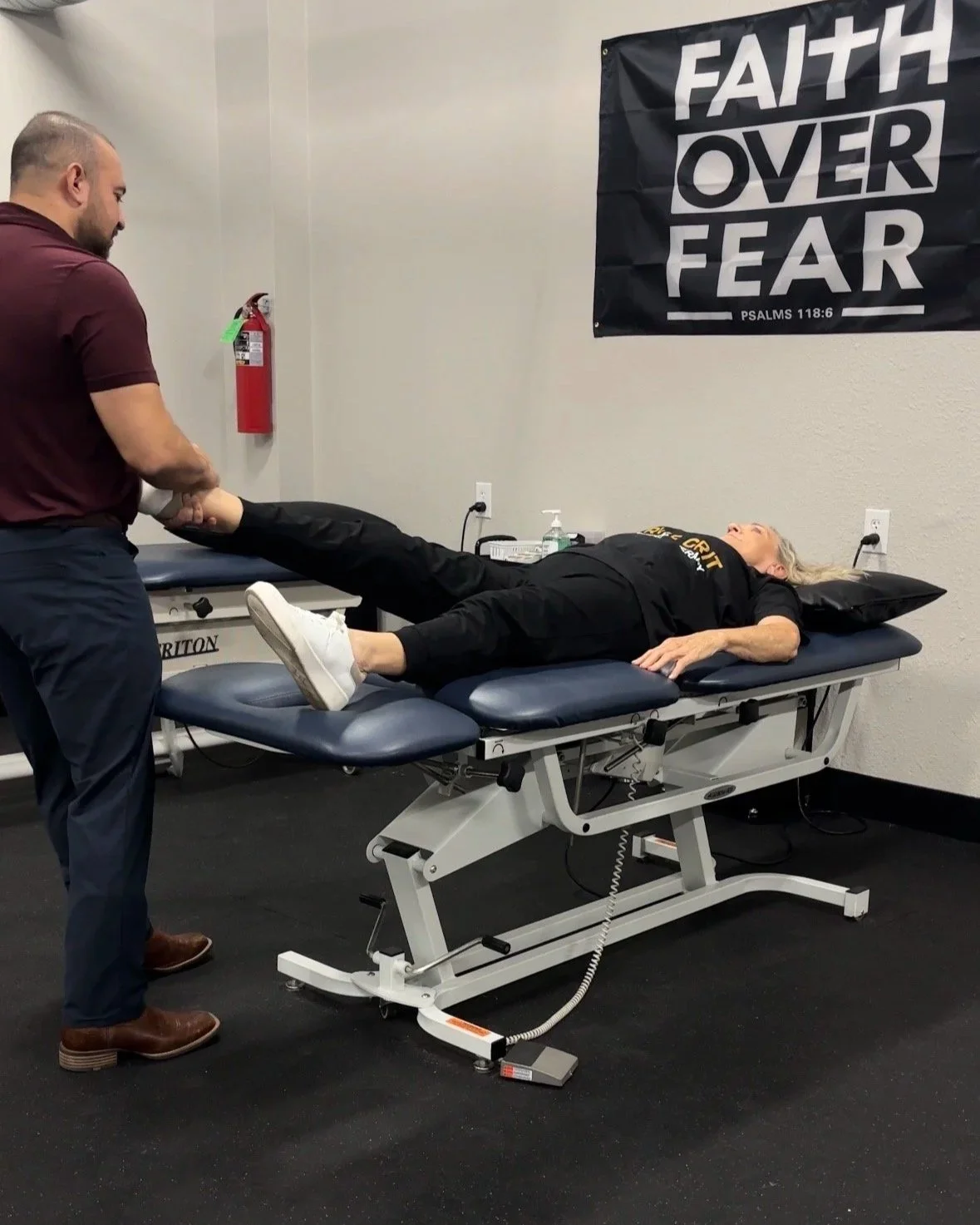
Strength Testing
Strength deficits can alter how athletes absorb force during running, jumping, and cutting. We evaluate strength of the:
· Gluteus maximus
· Gluteus medius
· Quadriceps
· Hamstrings
· Calves
· Core musculature
We also assess side-to-side differences that may persist after previous injuries.
Single-Leg Control
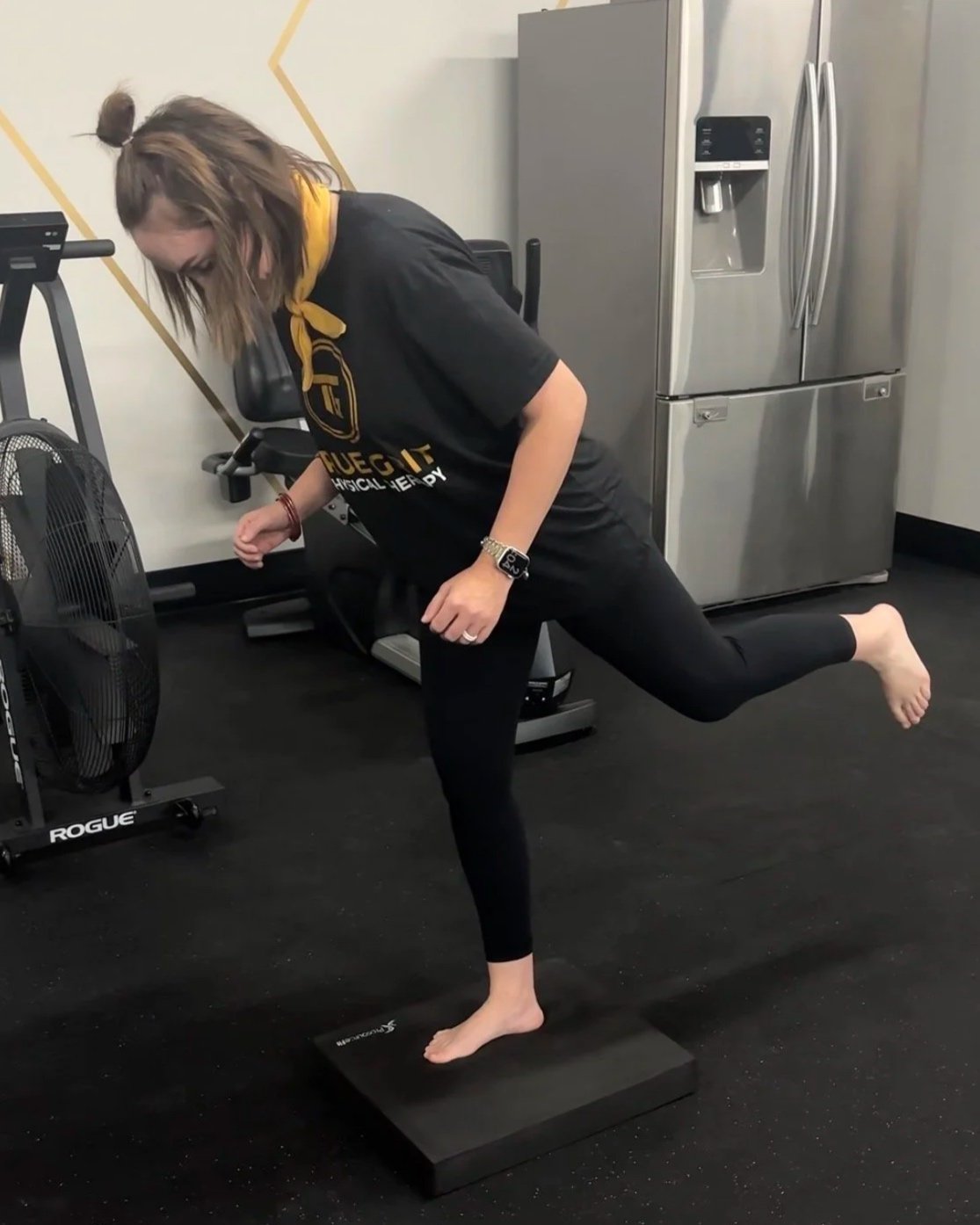
Many ACL injuries occur while the athlete is supported on one leg. That's why we place significant emphasis on single-leg movement quality. Common assessments include:
· Single-leg squat
· Step-down testing
· Single-leg balance
· Single-leg reach tests
· Functional strength testing
These assessments reveal how well the athlete controls the trunk, pelvis, hip, knee, and foot during dynamic movement.
Landing Mechanics
Landing quality is one of the strongest modifiable risk factors for non-contact ACL injury. We evaluate how athletes absorb force during movements such as:
· Drop jumps
· Vertical jumps
· Broad jumps
· Single-leg landing drills
During these tests, we assess:
· Knee alignment
· Hip control
· Trunk position
· Shock absorption
· Symmetry
· Overall movement quality
Validated tools such as the Landing Error Scoring System (LESS) provide an objective way to identify landing mechanics associated with increased injury risk and help guide targeted intervention.
Dynamic Balance
Good balance isn't just standing on one foot.
Athletes must maintain control while moving rapidly in multiple directions.
Evidence-based assessments such as the Y-Balance Test help identify asymmetries in mobility, stability, neuromuscular control, and reach performance that may contribute to inefficient movement patterns.
Hop Testing and Power
Power and symmetry become increasingly important for athletes returning from injury. We frequently incorporate tests such as:
· Single-leg hop for distance
· Triple hop
· Crossover hop
· Timed hop testing
These assessments provide objective information about limb symmetry, force production, and movement quality while also helping determine readiness for sport.
Agility and Change-of-Direction
Sports rarely occur in straight lines. We evaluate an athlete's ability to:
· Accelerate
· Decelerate
· Pivot
· Cut
· React to changing directions
These drills reveal how athletes control their body under conditions that closely resemble competition.
Prevention Is More Than Just Screening
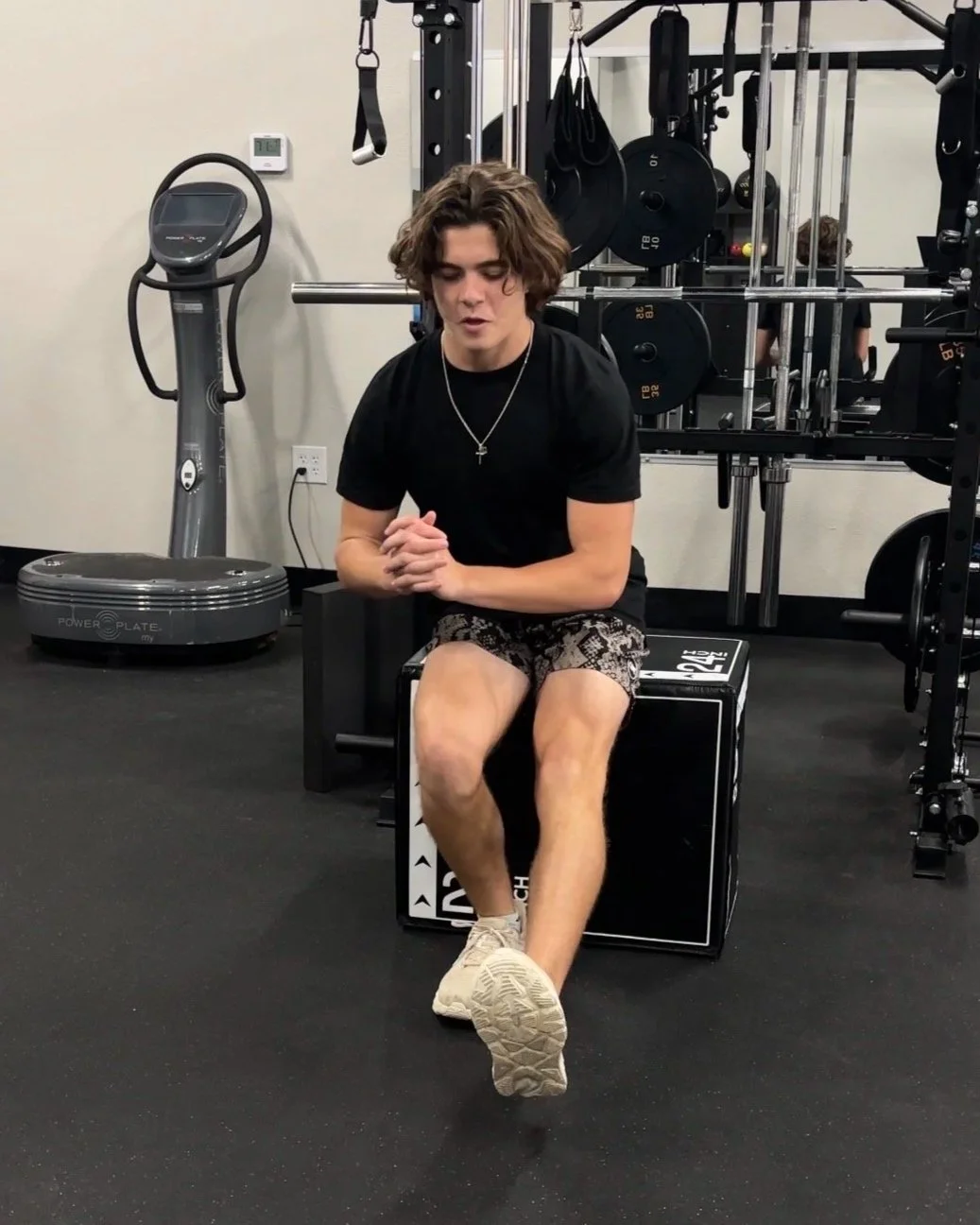
Screening identifies risk factors. Training reduces them. Once deficits are identified, we develop individualized programs designed to improve the qualities that matter most. These programs commonly include:
· Neuromuscular training
· Plyometric progression
· Hip and core strengthening
· Hamstring strengthening
· Single-leg stability training
· Landing mechanics instruction
· Deceleration training
· Change-of-direction drills
· Sport-specific movement progression
Certain neuromuscular injury prevention protocols have demonstrated meaningful reductions in ACL injury rates, reinforcing that structured prevention programs can make a measurable difference.
Every Athlete Is Different
Not every athlete needs the same exercises. A volleyball player has different demands than a soccer player. A basketball guard moves differently than a softball catcher. A quarterback requires different movement qualities than a wrestler. That's why individualized screening is so valuable. Rather than prescribing the same program to every athlete, we identify each athlete's unique strengths, limitations, and movement patterns to develop a program specific to their sport and position.
Our Goal Is More Than Injury Prevention
Preventing injury is our first priority. Improving performance is a close second. Interestingly, many of the qualities that reduce ACL injury risk also improve athletic performance. Better strength. Better power. Better balance. Better change-of-direction ability. Better movement efficiency. Athletes often become faster, more explosive, and more confident while simultaneously lowering their injury risk.
The Bottom Line
Not every ACL injury can be prevented. But many non-contact ACL injuries are influenced by movement patterns, neuromuscular control, strength, and landing mechanics that can be evaluated and improved.
At True Grit Physical Therapy, we use evidence-based screening tools and individualized performance testing to identify modifiable risk factors before they become injuries. We then build sport-specific training programs that improve movement quality, develop strength and power, and prepare athletes for the demands of competition. Because the best rehabilitation program is the one you never need. Helping athletes stay healthy, perform at their best, and enjoy the sports they love—that's our goal from day one.