Quick Breakdown
Hip pain that develops after sitting is a common complaint, but it's not always caused by arthritis or a "tight hip." The pain may originate from the hip joint, surrounding muscles and tendons, the lumbar spine, or even irritated nerves. At True Grit Physical Therapy, we perform a comprehensive evaluation to determine why sitting aggravates your symptoms so we can treat the true source of your pain—not just the area that hurts.

Why Does My Hip Hurt After Sitting?
Have you ever stood up after driving across town, sitting through a long meeting, or watching a movie and thought: "Why does my hip hurt every time I get up?" Maybe the pain eases after you've taken a few steps. Maybe it lingers throughout the day. Or perhaps it only returns the next time you've been sitting for a while.
This pattern is incredibly common—and it's often misunderstood. Many people immediately assume they have arthritis or that their hip is simply "tight." While those can be contributing factors, they're far from the only possibilities. The good news is that understanding why sitting causes your hip pain is the first step toward finding the right treatment.
Sitting Places Your Hip in a Different Position
Your hips spend most of your day moving through a wide range of motion. Walking, climbing stairs, exercising, and standing all require constant changes in position. Sitting is different. During sitting, your hips remain flexed—typically around 90 degrees—for prolonged periods. This sustained position changes how forces are distributed throughout the:
· Hip joint
· Cartilage
· Labrum
· Muscles
· Tendons
· Ligaments
· Nerves
For some people, these tissues tolerate prolonged sitting without any issues. For others, sitting becomes the activity that exposes an underlying problem.
The Hip Joint Isn't Always the Source
One of the biggest misconceptions is that pain felt in the hip always comes from the hip joint. In reality, pain in this region may originate from several different structures, including:
· The hip joint
· The labrum
· Hip flexor tendons
· Gluteal tendons
· Deep hip muscles
· The lumbar spine
· The sacroiliac joint
· Irritated nerves
Because so many structures overlap, accurately identifying the source requires more than simply pointing to where it hurts.
Hip Flexors Often Get Blamed
Many people assume their hip flexors have become "too tight." While prolonged sitting does place these muscles in a shortened position, tightness alone isn't usually the entire story. Often the issue involves:
· Reduced strength
· Poor endurance
· Increased muscle sensitivity
· Overuse
· Movement impairments
· Reduced tissue capacity
Rather than simply stretching the muscles, treatment often focuses on restoring their ability to tolerate normal daily activities.
Sometimes It's the Hip Joint
Pain deep in the front of the hip or groin after prolonged sitting may indicate irritation within the joint itself. Possible contributors include:
· Hip osteoarthritis
· Labral pathology
· Femoroacetabular impingement (FAI)
· Joint inflammation
These conditions often become more noticeable after the hip has remained compressed in one position for an extended period. As the joint begins moving again, symptoms may gradually improve over the first several steps. A comprehensive evaluation helps determine whether the joint is truly responsible for your pain.
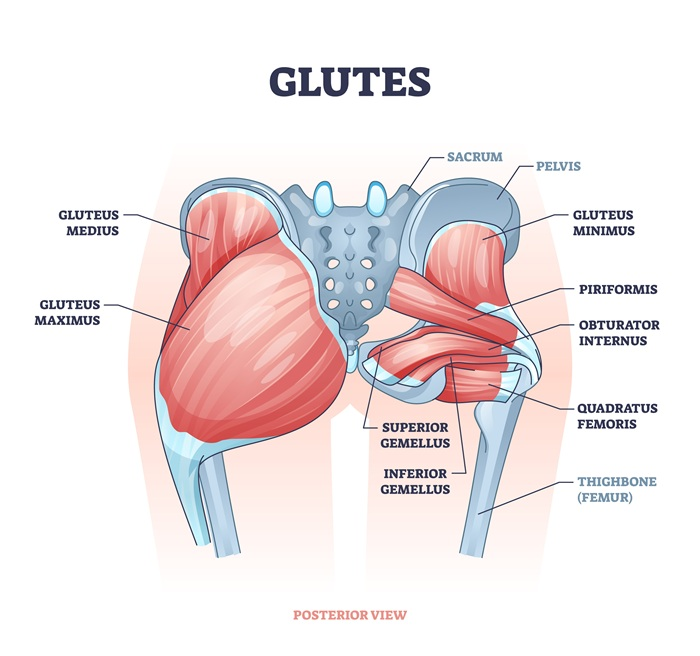
Don't Forget About the Gluteal Tendons
Pain on the outside of the hip after sitting may be related to irritation of the gluteal tendons. This condition, often called gluteal tendinopathy, is one of the most common causes of lateral hip pain. People frequently notice:
· Pain when standing after sitting
· Pain lying on one side
· Pain climbing stairs
· Pain walking longer distances
· Tenderness over the outside of the hip
Prolonged compression of these tendons during sitting can increase irritation in some individuals. Treatment focuses on improving tendon capacity—not simply reducing inflammation.
Your Back May Be Contributing
The hip and lumbar spine share a close relationship. Sometimes what feels like hip pain is actually originating from the lower back. Lumbar spine conditions may produce pain into the:
· Buttock
· Side of the hip
· Groin
· Front of the thigh
This is why we always examine both the hip and the lumbar spine during your evaluation. Treating the hip alone won't solve the problem if the symptoms are actually being referred from your back.
Sitting Can Irritate Sensitive Nerves
Prolonged sitting also places pressure on several important nerves. Depending on the cause, nerve irritation may create symptoms such as:
· Burning pain
· Tingling
· Numbness
· Sharp pain
· Pain extending into the thigh or lower leg
Conditions involving the lumbar spine or surrounding soft tissues may become more noticeable after prolonged sitting. Distinguishing nerve-related pain from muscle or joint pain is an important part of the evaluation process.
Movement Is Often the Medicine
One interesting pattern many people notice is that their pain improves after they've been walking for a few minutes. This doesn't necessarily mean something is "out of place."
Instead, movement often helps:
· Increase circulation
· Lubricate the joint
· Warm the muscles
· Reduce stiffness
· Improve tissue mobility
This is one reason complete rest is rarely the best solution. Appropriate movement often helps the body feel—and function—better.
Our Evaluation Looks Beyond the Hip
At True Grit Physical Therapy, we don't assume every hip hurts for the same reason. Our comprehensive evaluation may include:
· Hip range of motion
· Hip strength testing
· Muscular endurance assessment
· Functional movement analysis
· Gait evaluation
· Lumbar spine screening
· Neurological examination
· Palpation of surrounding tissues
· Balance assessment
· Functional activities such as squatting, walking, and stair climbing
By identifying the true source of your symptoms, we can build a treatment plan specifically for your needs.
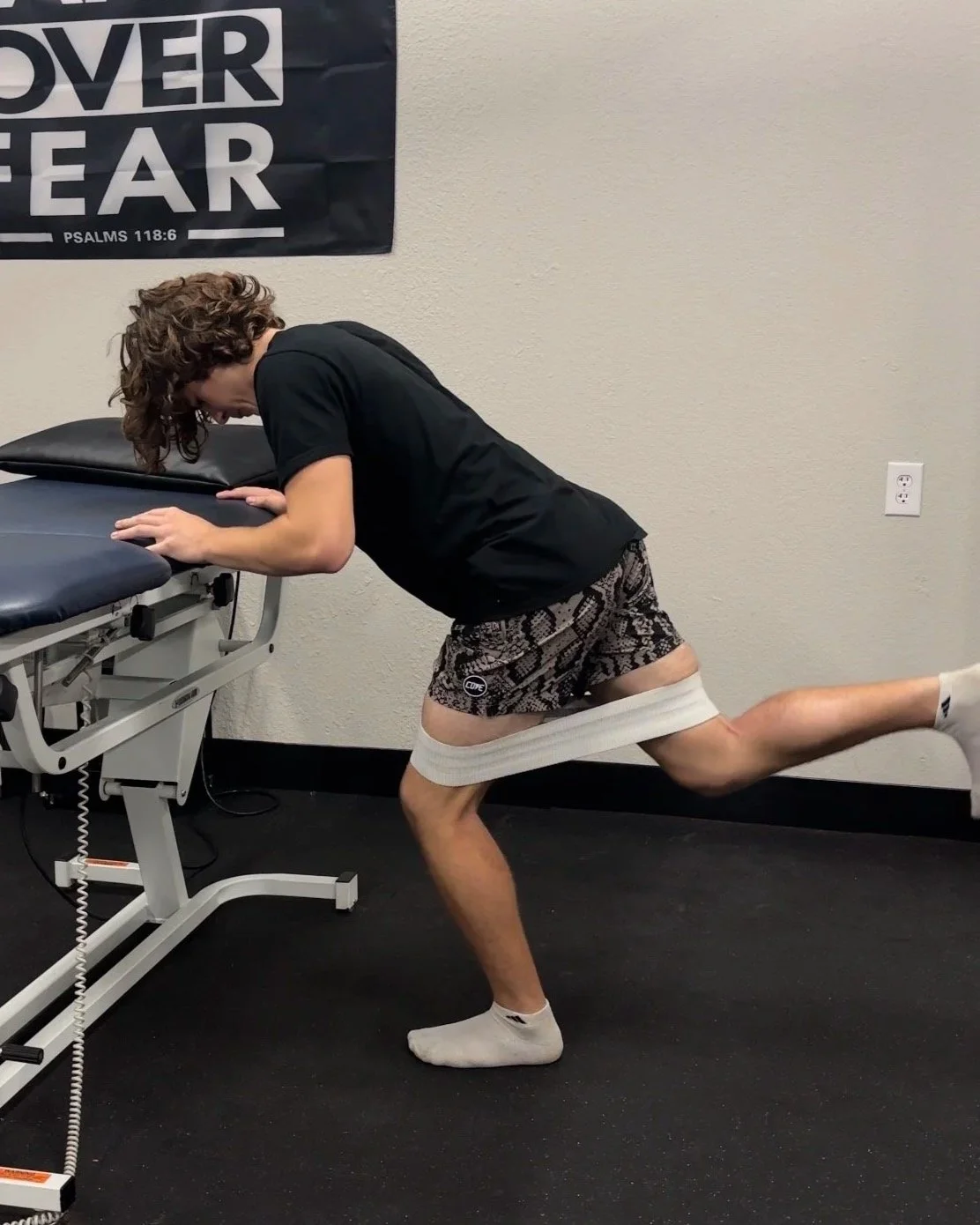
How Physical Therapy Can Help
Treatment depends entirely on what's causing your pain. Your rehabilitation may include:
· Manual therapy
· Hip strengthening
· Gluteal strengthening
· Core stabilization
· Mobility exercises
· Tendon loading programs
· Motor control training
· Lumbar spine treatment when appropriate
· Progressive return to activity
· Education regarding sitting positions and activity modification
Rather than simply trying to "loosen" the hip, we focus on improving its ability to tolerate the demands of your daily life.
When Should You Seek Medical Evaluation?
Although most hip pain improves with conservative care, certain symptoms deserve prompt medical evaluation. Seek medical attention if you experience:
· Inability to bear weight after trauma
· Significant swelling
· Fever or signs of infection
· Progressive weakness
· Loss of bowel or bladder control
· Persistent numbness
· Severe pain that continues worsening despite rest
These symptoms may indicate conditions requiring additional medical evaluation.
The Bottom Line
Hip pain after sitting is common, but it's rarely explained by a single diagnosis. The pain may originate from the hip joint, tendons, muscles, lumbar spine, or surrounding nerves—and each requires a different treatment approach. At True Grit Physical Therapy, we perform a comprehensive evaluation to determine exactly why sitting aggravates your symptoms. By assessing hip mobility, strength, endurance, movement patterns, lumbar spine function, and overall biomechanics, we develop an individualized treatment plan that addresses the true cause of your pain. Because the goal isn't simply to help you stand up more comfortably. It's to help you move confidently throughout your entire day.