Quick Breakdown
Yes—a pinched nerve can absolutely cause shoulder pain. In fact, pain that feels like it's coming from the shoulder may actually be originating from the neck, where a cervical nerve root becomes irritated or compressed. While shoulder injuries such as rotator cuff tears, labral tears, or frozen shoulder are common causes of shoulder pain, it's important to determine whether the pain is truly coming from the shoulder joint or is being referred from the cervical spine. At True Grit Physical Therapy, we perform a comprehensive evaluation to identify the true source of your symptoms so treatment is directed at the problem—not just where you feel the pain.
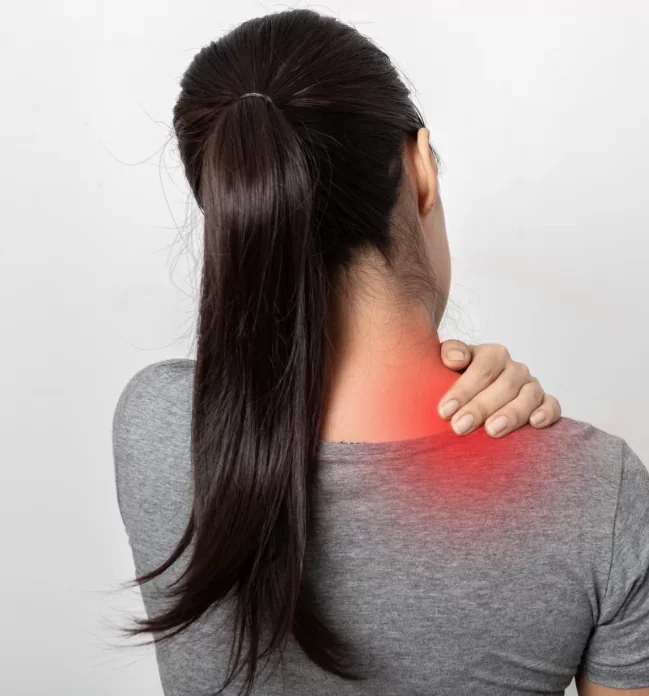
Can a Pinched Nerve Cause Shoulder Pain?
If you've been dealing with shoulder pain that doesn't seem to improve—or you've noticed numbness, tingling, or pain traveling down your arm—you may be wondering: "Could this actually be a pinched nerve?" The answer is yes.
Although many cases of shoulder pain originate from the shoulder itself, the nerves that supply the shoulder and arm begin in the neck. When one of these nerves becomes irritated, compressed, or inflamed, the brain may interpret the pain as coming from your shoulder.
Understanding the difference between shoulder pain and nerve pain is one of the most important steps toward finding the right treatment.
What Is a Pinched Nerve?
A "pinched nerve" is a common term used to describe irritation or compression of a nerve. When this occurs in the neck, it's often referred to as cervical radiculopathy. Several conditions may contribute to nerve irritation, including:
· Herniated discs
· Age-related degenerative changes
· Bone spurs (osteophytes)
· Narrowing of the openings where nerves exit the spine (foraminal stenosis)
· Inflammation around the nerve root
As the nerve becomes irritated, symptoms may be felt anywhere along its pathway—not just at the neck.
Why Can a Neck Problem Cause Shoulder Pain?
The nerves that control sensation and muscle function in your shoulder and arm exit the cervical spine. Each nerve root supplies specific muscles and areas of skin. For example:
· C5 commonly refers pain into the top and outside of the shoulder.
· C6 may cause symptoms into the thumb and index finger.
· C7 often produces pain or tingling into the middle finger.
· C8 commonly affects the ring finger and little finger.
Because of these referral patterns, a cervical nerve problem can closely mimic a shoulder injury.
What Does Pinched Nerve Pain Feel Like?
Although every person experiences symptoms differently, common signs include:
· Shoulder pain without a clear injury
· Pain radiating down the arm
· Burning pain
· Sharp or electric sensations
· Tingling
· Numbness
· Weakness
· Symptoms that change with neck movement
Some people notice that looking up, turning their head, or sleeping in certain positions increases their pain. Others may experience relief when placing their hand on top of their head—a finding sometimes seen with cervical nerve irritation.
How Is It Different From a Shoulder Injury?
This is one of the biggest questions patients ask. Both shoulder injuries and cervical nerve problems can cause pain around the shoulder. However, there are often important differences.
Shoulder Injuries More Commonly Cause:
· Pain with reaching overhead
· Pain when lying directly on the shoulder
· Weakness due to pain
· Pain localized to the shoulder
· Symptoms during lifting or throwing
Cervical Nerve Irritation More Commonly Causes:
· Pain traveling below the elbow
· Numbness or tingling
· Burning or electrical sensations
· Symptoms affected by neck movement
· Arm weakness that doesn't seem proportional to shoulder pain
That said, it's possible to have both a shoulder injury and a cervical spine condition at the same time. This is why a thorough evaluation is so important.
Could It Be Something Besides a Pinched Nerve?
Absolutely. Shoulder pain may also originate from:
· Rotator cuff tendinopathy
· Rotator cuff tears
· Shoulder impingement (Rotator Cuff Related Shoulder Pain)
· Frozen shoulder
· Labral tears
· Arthritis
· Biceps tendon disorders
· Referred pain from the upper back
· Myofascial trigger points
Determining the true source of pain requires looking at the entire movement system—not just one structure.
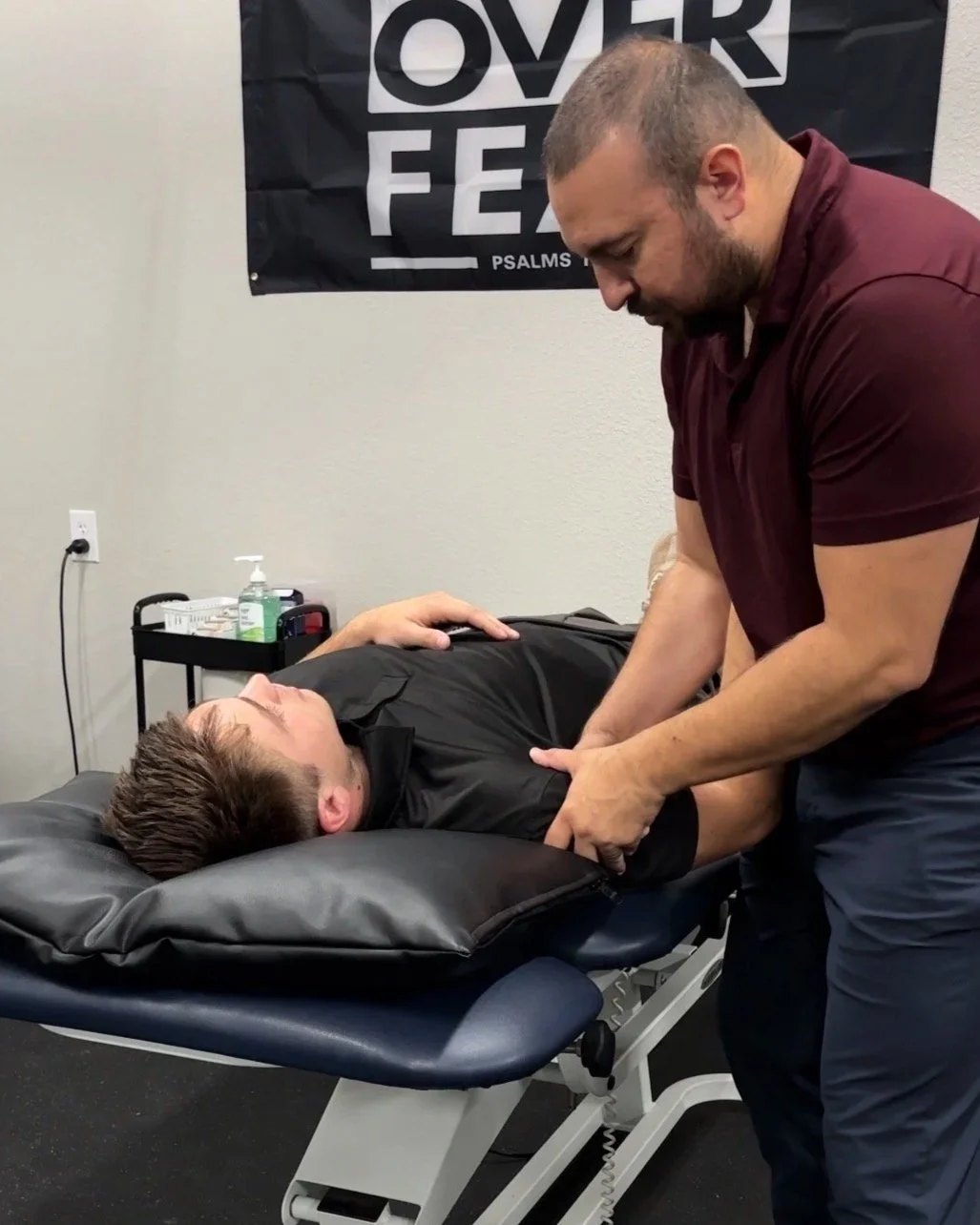
We Don't Just Examine the Shoulder
At True Grit Physical Therapy, every shoulder evaluation includes screening the cervical spine. Our comprehensive assessment may include:
· Cervical range of motion
· Neurological examination
· Reflex testing
· Muscle strength testing
· Sensory testing
· Shoulder mobility
· Rotator cuff strength
· Scapular mechanics
· Thoracic spine mobility
· Functional movement assessment
· Special tests for both the neck and shoulder
This allows us to determine whether your symptoms originate from:
· The shoulder
· The neck
· Both
· Or another source entirely
Do You Need an MRI?
Not necessarily. Many cases of cervical radiculopathy can be diagnosed through a detailed history and physical examination. Imaging may be considered if:
· Symptoms persist despite conservative care
· Progressive weakness develops
· Significant trauma occurred
· Surgery is being considered
· Serious neurological findings are present
Much like shoulder MRIs, cervical MRIs often show age-related changes that may not actually be responsible for your symptoms. Imaging should always be interpreted alongside your clinical examination.
How Physical Therapy Can Help
Many individuals with cervical nerve irritation improve without surgery. Treatment depends on the underlying cause and your specific presentation. Your rehabilitation may include:
· Manual therapy
· Cervical mobility exercises
· Thoracic spine mobility
· Cervical spine traction
· Postural education
· Nerve gliding exercises
· Strengthening of the deep neck flexors
· Scapular stabilization
· Progressive strengthening
· Activity modification
· Return-to-work or sport progression
Rather than simply treating the painful area, rehabilitation focuses on reducing stress on the irritated nerve while improving the function of the entire neck-shoulder complex.
When Should You Seek Immediate Medical Attention?
Although uncommon, certain symptoms require prompt medical evaluation. These include:
· Progressive arm weakness
· Loss of bowel or bladder control
· Difficulty walking or maintaining balance
· Severe numbness affecting multiple areas
· Symptoms following significant trauma
· Fever or unexplained weight loss accompanying neck pain
These symptoms may indicate a more serious condition that requires immediate medical assessment.
The Bottom Line
A pinched nerve in the neck can absolutely cause shoulder pain. Because the nerves supplying the shoulder and arm originate from the cervical spine, irritation of these nerves may produce pain, numbness, tingling, or weakness that closely resembles a shoulder injury. At the same time, many shoulder conditions can mimic cervical nerve pain, making an accurate diagnosis essential.
At True Grit Physical Therapy, we perform a comprehensive evaluation that examines both the shoulder and the cervical spine. By assessing joint mobility, muscle strength, neurological function, movement quality, and functional activities, we identify the true source of your symptoms and develop an individualized treatment plan designed to restore function and reduce pain. Because successful treatment begins with answering one important question: Is your shoulder actually the problem—or is it simply where you're feeling the pain?