Can PT Help You Avoid Back Surgery?
Quick Breakdown
Many people worry they'll need back surgery after developing low back pain. In most cases, they won't. Common problems like muscle strains, herniated discs, and irritated nerves often improve with non-surgical treatment, including physical therapy. At True Grit Physical Therapy, we help determine whether physical therapy is the right choice or if you need further medical evaluation or a referral to a spine specialist.

Can PT Help You Avoid Back Surgery?
One of the first questions many people ask after injuring their back is, "Am I going to need surgery?"
It's an understandable concern. Severe back pain can make it hard to work, exercise, sleep, or even get out of bed. When pain is intense or travels down the leg, it's easy to assume surgery is the only option.
The good news is that most people with low back pain recover without surgery. Research shows that non-surgical treatment, including physical therapy, is the recommended first step for most common back pain conditions.
The key is figuring out who is likely to improve with physical therapy and who needs further medical evaluation.
Most Low Back Pain Does Not Require Surgery
The spine is stronger and more resilient than many people realize. Even conditions that sound serious, like a herniated disc, arthritis, spinal stenosis, or degenerative disc disease, don't automatically mean you'll need surgery.
Pain is often influenced by several factors, including:
Joint movement
Muscle strength
How you move
Irritated tissues
Sensitive nerves
Activity level
Overall fitness
By improving these areas, many people reduce pain, move more comfortably, and return to everyday activities without surgery.
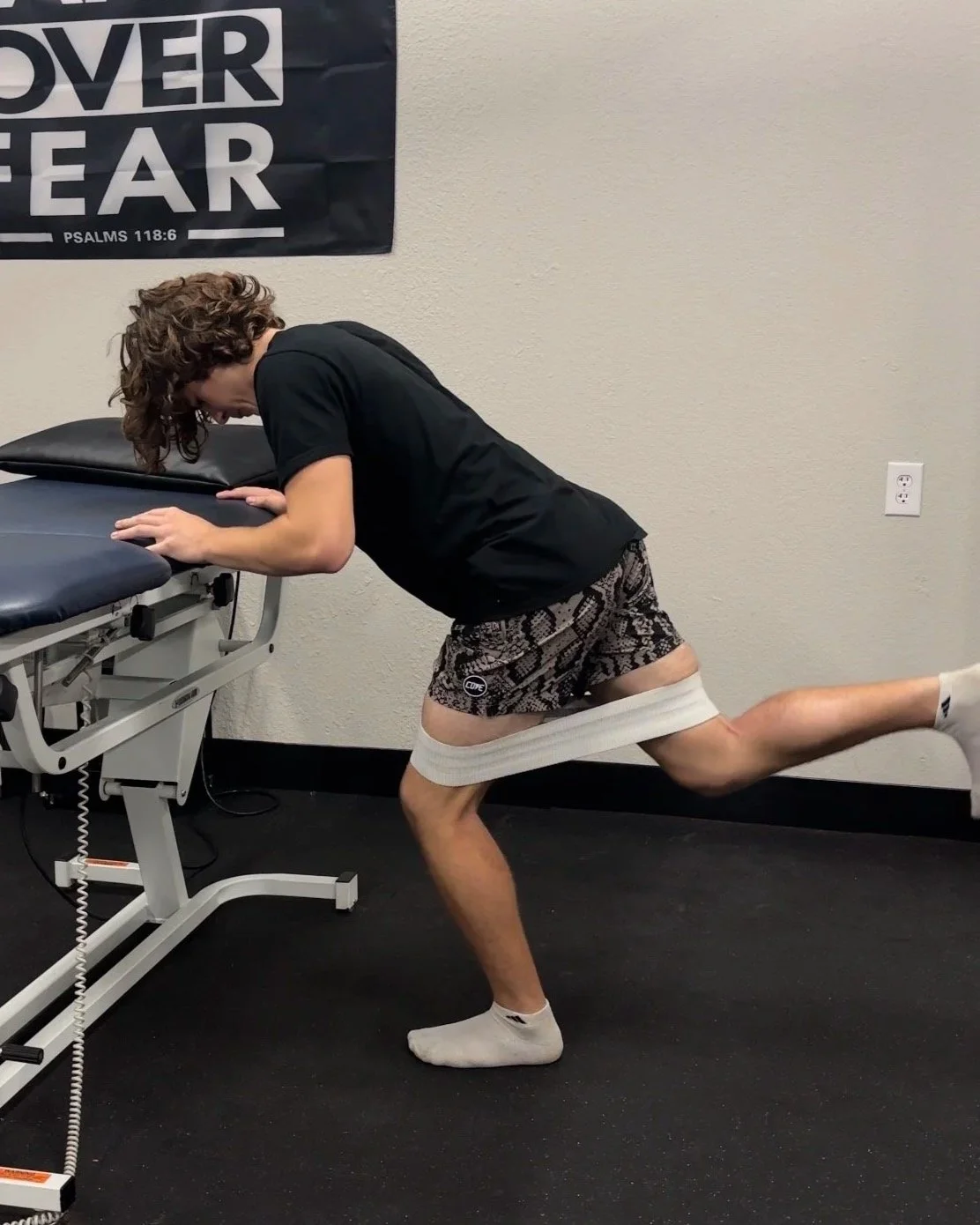
How Physical Therapy Can Help You Avoid Surgery
At True Grit Physical Therapy, we don't just focus on where your back hurts. We work to find out why it became painful in the first place.
During your evaluation, we look at your movement, strength, flexibility, and muscle balance to identify problems that may be putting extra stress on your spine.
Your treatment plan may include:
Hands-on therapy to improve joint and soft tissue movement
Exercises to build strength and stability
Movement training to reduce stress on your back
Core and hip strengthening
Education on posture and safe lifting
A gradual return to work, exercise, and daily activities
As your strength and movement improve, everyday activities usually become easier and less painful. Many people are surprised by how much better they feel once the underlying cause of their pain is addressed.
Even Herniated Discs Can Improve Without Surgery
Hearing the words "herniated disc" can be scary, but it doesn't always mean surgery is necessary.
Many lumbar disc herniations improve with physical therapy and time. As healing occurs, inflammation often decreases, and pain may move out of the leg and back toward the lower back. This is often a positive sign that the condition is improving.
Physical therapy helps guide recovery by identifying movements that reduce irritation while gradually restoring strength, flexibility, and confidence. Every case is different, but many people who once thought they needed surgery return to work, sports, and daily life without an operation.
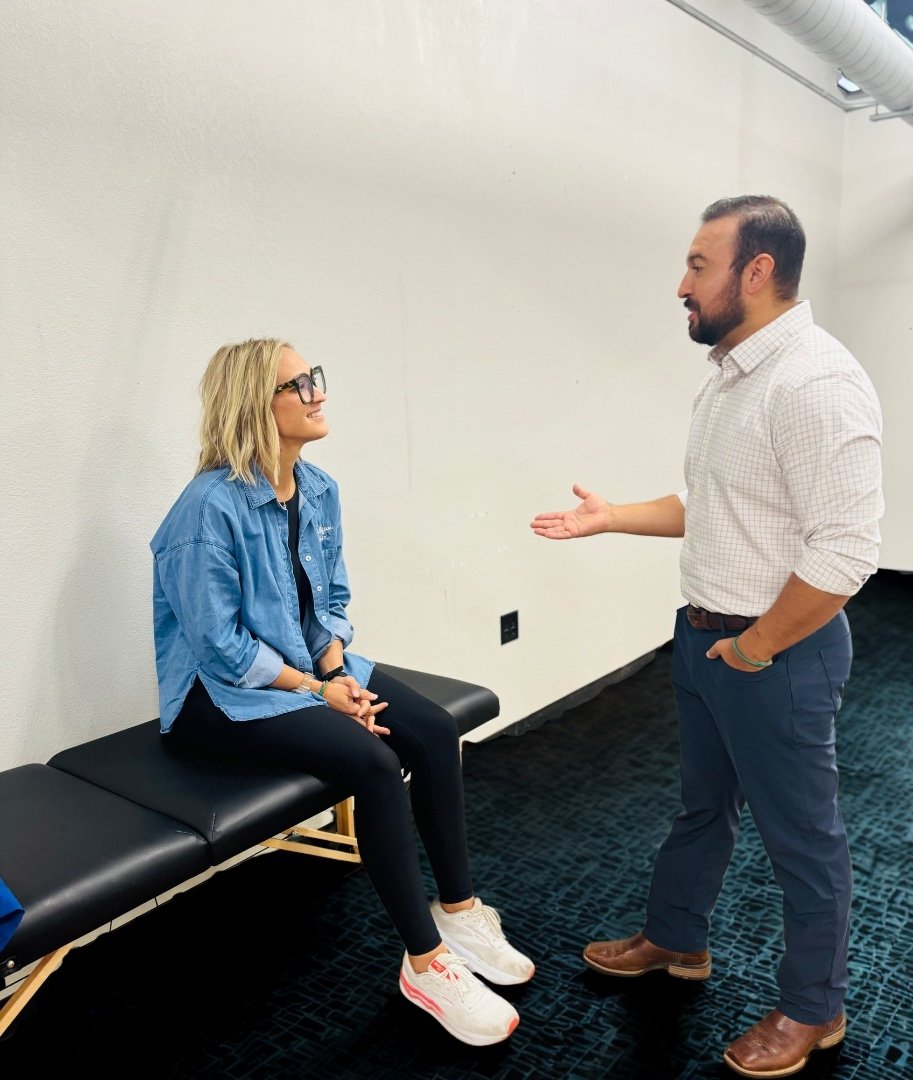
Our Evaluation Helps Determine the Best Treatment Path
No two cases of back pain are exactly alike. Some people are excellent candidates for physical therapy, while others may need imaging, injections, or a consultation with a spine specialist.
That's why every visit at True Grit Physical Therapy starts with a thorough assessment. We evaluate:
Your medical history
How your symptoms started
Where your pain is located
How your symptoms change with movement
Joint mobility
Muscle strength
Nerve function
Walking mechanics
Movements related to your work, hobbies, and goals
Our goal is to determine whether physical therapy is the right treatment or whether you should be referred for additional medical care.
When Surgery May Be Necessary
Although most people recover without surgery, there are situations where surgical intervention may be the safest and most appropriate option. Some conditions require prompt evaluation because delaying treatment can increase the risk of permanent nerve damage. Recognizing these warning signs is one of the most important responsibilities of a physical therapist.
Knowing When to Refer Is Just as Important as Knowing How to Treat
A thorough evaluation is about more than finding movement problems. It's also about recognizing when physical therapy isn't the right first step.
If your exam suggests you need imaging, medication, or a consultation with a spine specialist, we'll explain why and help you get the care you need as quickly as possible.
Our Goal Is to Help You Make the Best Decision
Physical therapy isn't about avoiding surgery at all costs. It's about helping you get the right treatment at the right time.
For many people, that means recovering with physical therapy and never needing surgery. For others, surgery may be the best option. If that's the case, physical therapy can still help you prepare beforehand and recover more successfully afterward.
The Bottom Line
Most people with low back pain do not need surgery. A thorough assessment can often identify problems that respond well to physical therapy, helping you recover and return to the activities you enjoy without an operation.
At True Grit Physical Therapy, we combine movement analysis, evidence-based treatment, and careful screening for serious medical conditions to make sure you receive the care that's right for you. If you're wondering whether surgery is really necessary, we're here to help you find the answer and guide you toward the best treatment plan.