Why Does Your Back Pain Keep Coming Back?
Quick Breakdown
Many people experience temporary relief from back pain, only to have it return weeks or months later. In many cases, the problem isn't simply that your back is "weak" or "tight"—it's that underlying movement patterns and muscle imbalances continue placing excessive stress on the same tissues every day. Identifying and correcting these movement impairments and then improving your capacity can reduce recurring pain, improve function, and help you get back to doing the activities you enjoy with greater confidence.

Why Does Your Back Pain Keep Coming Back?
If you've dealt with back pain more than once, you've probably asked yourself:
"Why does this keep happening?"
Maybe your pain improved after resting, taking medication, visiting a chiropractor, getting a massage, or even completing physical therapy. For a while, everything seemed fine—until one morning you bent over to pick something up, stood from a chair, worked in the yard, or returned to the gym, and suddenly the pain was back.
This cycle is incredibly frustrating, and unfortunately, it’s also extremely common. The reason is often much more complex than simply having a "bad back."
Pain Is Often the Result—Not the Root Cause
Many people assume that the painful area is the problem. In reality, that may not always be the case. The painful tissue is often responding to stress that has been building over time.
Our bodies are designed to spread forces efficiently across many joints and muscles during everyday activities like walking, lifting, squatting, reaching, and exercising. When certain muscles become weak, others become overactive, or joints don't move the way they're intended to, your body naturally finds another way to accomplish the task.
This is called compensation. At first, these compensations are very effective. You can continue working, exercising, and living your life without noticing anything is wrong. Over time, however, these altered movement patterns repeatedly place extra stress on the same tissues. Eventually those tissues become irritated, inflamed, or overloaded—and pain develops.
In many cases, the pain isn't because your body failed. It's because your body has been compensating.
Your Body Learns How You Move
One of the pioneers in understanding this concept is physical therapist Shirley Sahrmann. Her research demonstrated that repeated movement patterns matter. If a joint consistently moves more than it should—or moves in a direction it doesn't tolerate well—it experiences repeated stress throughout the day. Even relatively small stresses, when repeated hundreds or thousands of times, can eventually contribute to pain.
Think about how many times you:
· Bend over
· Sit down and stand up
· Walk
· Climb stairs
· Lift groceries
· Exercise
· Pick up your kids
· Work at a computer
Every one of those movements reinforces the way your body has learned to move. If your movement strategy is efficient, those repetitions help keep you healthy. If your movement strategy consistently overloads certain tissues, those same repetitions can continue fueling irritation long after the original injury has healed.
Why Great Exercises Sometimes Don't Work
This surprises many people. They've been stretching, strengthening their core, watching YouTube videos, or even doing exercises from previous physical therapy visits—so why aren't they improving?
The problem often isn't the exercises themselves. It's that they're being performed with the same movement patterns that contributed to the pain in the first place.
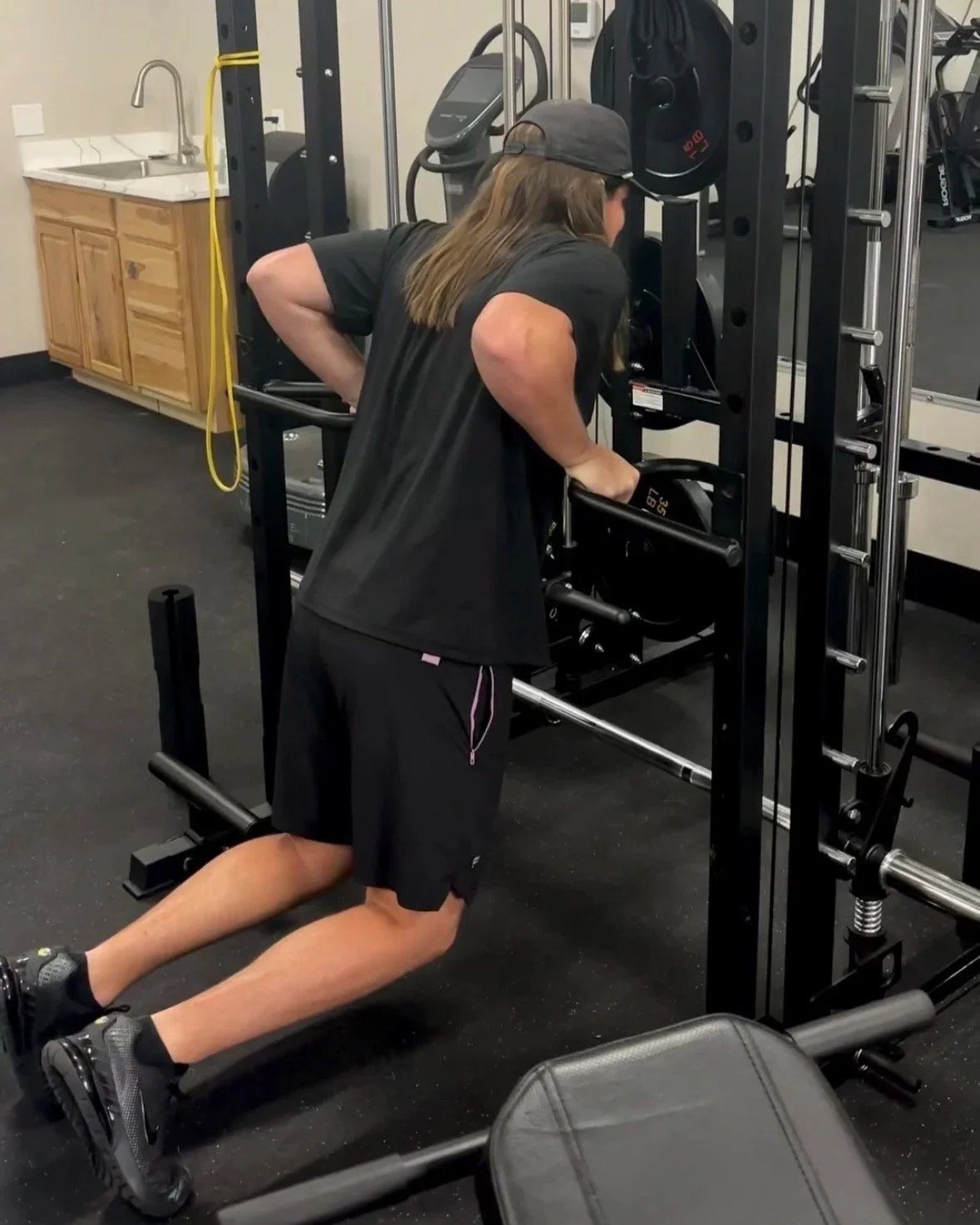
For example, someone doing bridges may arch through their lower back instead of using their glutes, or perform squats in a way that overloads the lumbar spine because the hips aren't contributing effectively. Even core exercises can reinforce poor movement if larger muscles compensate for those that should be doing the work.
Good exercises performed with poor movement patterns simply reinforce those patterns. The body gets better at doing what it practices—even if it's inefficient.
Why Evaluation Matters
This is why a thorough evaluation is one of the most important parts of treatment. At True Grit Physical Therapy, we don't just ask where it hurts. We want to understand why that area is continually becoming irritated.
During your evaluation, we assess things like:
· How you bend, squat, lift, and rotate
· Movement impairments
· Compensatory movement strategies
· Muscle imbalances
· Joint mobility
· Muscle flexibility
· Muscle strength and endurance
· Balance and stability
· Core control
· Hip and shoulder function
· Walking and running mechanics (when appropriate)
· Functional movement patterns specific to your work, sport, or hobbies
Often, the source of the problem isn't exactly where the pain is located. Instead, we identify the movement impairments and muscle imbalances that are repeatedly placing unnecessary stress on your body.
Correct the Cause—Not Just the Symptoms
Once those movement impairments are identified, treatment becomes much more specific. Rather than simply reducing pain, we work to improve how your body moves.
Your treatment plan may include:
· Hands-on manual therapy to improve joint and soft tissue mobility
· Exercises that target specific muscle weaknesses
· Neuromuscular retraining to improve movement quality
· Education on posture and body mechanics
· Progressive strengthening based on your goals
· Sport- or work-specific movement training
The goal isn't simply to make you feel better today. It's to help your body move more efficiently tomorrow, next month, and years from now.

Long-Term Success Means Moving Better
Pain relief is important—but lasting results require more than simply calming symptoms. When movement impairments are corrected, muscles work together more effectively, joints experience less unnecessary stress, and your body becomes more resilient during everyday life.
That means you can return to lifting, running, working, playing with your kids, competing in sports, or simply enjoying daily activities with greater confidence.
Our Goal at True Grit Physical Therapy
At True Grit Physical Therapy, we believe that successful rehabilitation isn't just about treating pain. It's about understanding the reason the pain developed in the first place. By identifying movement impairments, correcting muscle imbalances, and teaching your body to move more efficiently, we help reduce recurring injuries and build long-term resilience—not just temporary relief.
If your back pain keeps coming back, there may be an underlying reason. Finding that reason could be the difference between managing your pain and finally overcoming it.